Is it mosquito season in Arizona?
Arizona upends the usual mosquito calendar. The desert heat suppresses populations spring through early summer — then the monsoon arrives in early July, dropping inches of rain in hours and instantly creating breeding habitat across the Valley of the Sun. What follows is a 10-week window of intense activity that catches many newcomers off guard.
The Phoenix metro: monsoon explosions
The Valley of the Sun is deceptively dry from January through June. Then the North American Monsoon arrives, typically July 15, delivering storm cells that flood retention basins, roadside channels, and any low-lying area. Culex quinquefasciatus populations explode in the standing water, and West Nile Virus detections climb through August. Maricopa County runs one of the most active vector control programs in the Southwest as a result.
Tucson and the Sonoran Desert south
Tucson and the southern tier actually see monsoon onset slightly earlier than Phoenix and with higher average rainfall — the sky islands around the Santa Catalina and Rincon Mountains funnel moisture-laden air into the region. Aedes aegypti is established in Tucson, creating a dengue transmission risk on the US-Mexico border corridor during peak months.
Flagstaff and the high country
Northern Arizona above 5,000 feet runs a shorter, cooler season. Flagstaff sees modest activity from June through August, driven more by snowmelt and summer rains than the intense monsoon storms of the south. The high elevation significantly reduces overall mosquito pressure compared to the low desert.
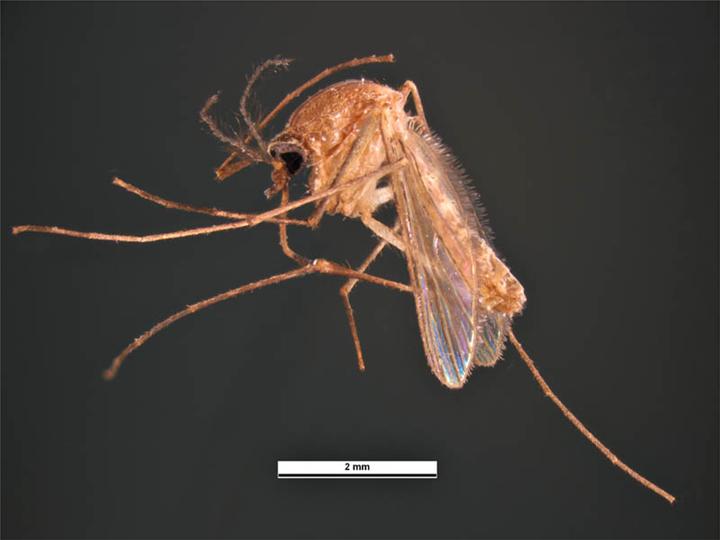
Phoenix sits at 33°N with irrigation canals threading 131 miles through Maricopa County — Culex quinquefasciatus colonizes every low-flow stretch that warms and stagnates during summer. The dominant WNV vector statewide, it peaks through the monsoon months when storm retention basins refill with nutrient-rich runoff that accelerates larval development. A dusk-to-dawn biter that rarely travels far from water.
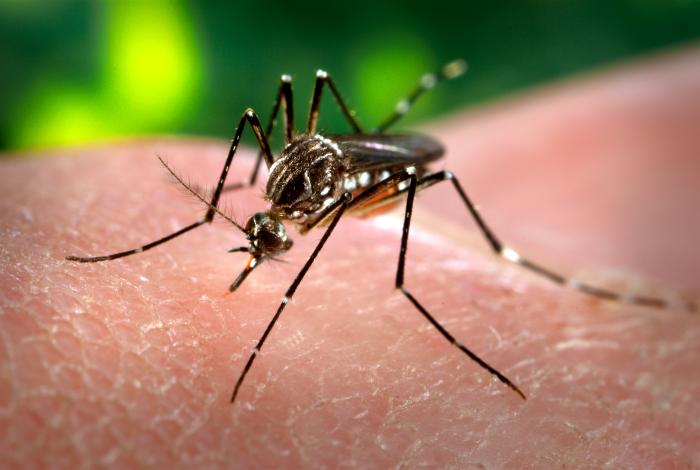
Tucson's Ae. aegypti population is one of the northernmost established colonies in the continental US. Unlike the nighttime Culex species, aegypti bites during daylight and targets humans almost exclusively — a behavioral specificity that makes it an unusually efficient disease vector. In the border counties, it's the primary dengue concern during wet monsoon summers when container habitat proliferates around homes.
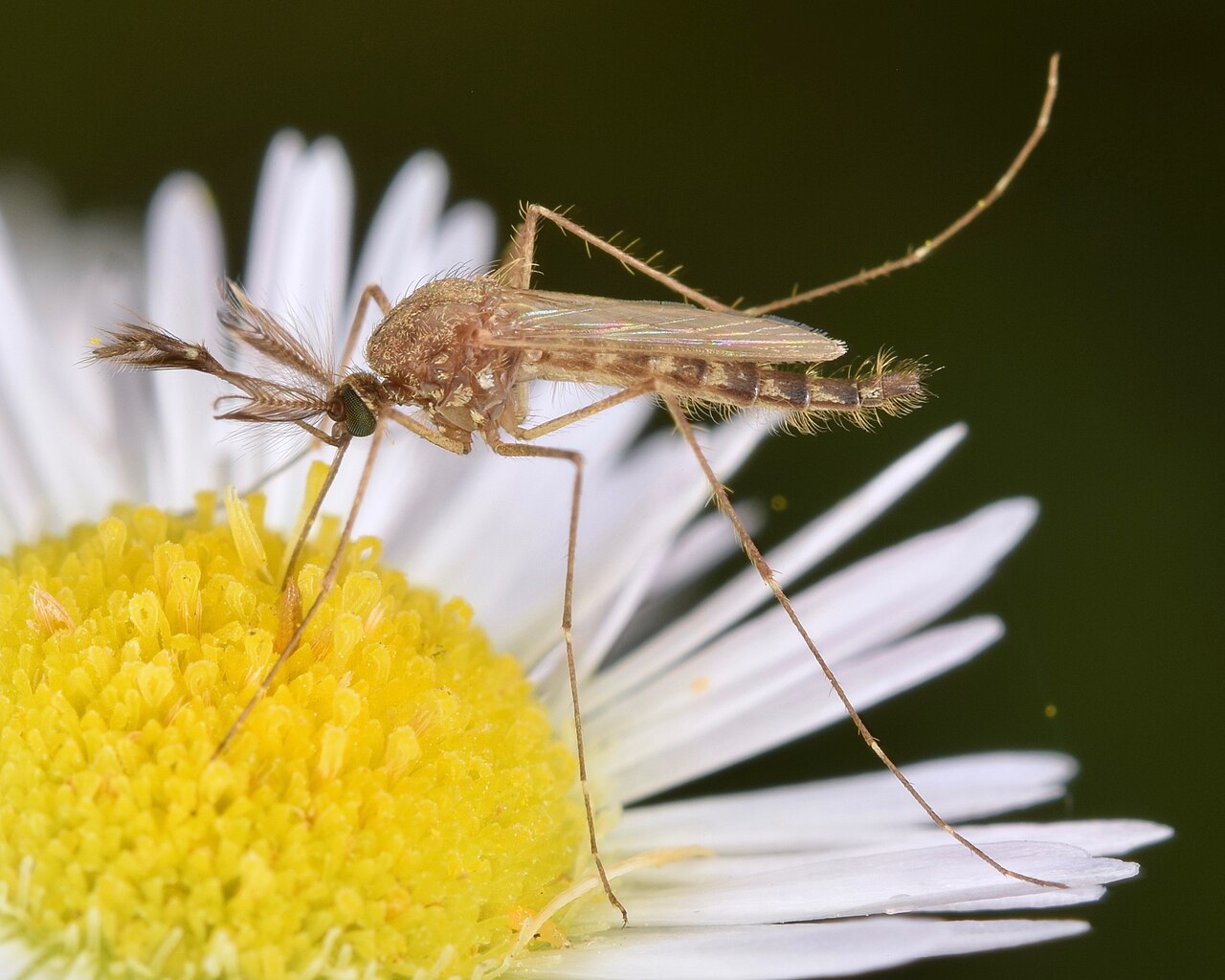
After a monsoon cell drops an inch on the desert floor, Ae. vexans larvae can hatch and reach adult stage in under a week — faster than most species. This is the mosquito behind the sudden biting waves that strike Phoenix neighborhoods and Tucson basins within days of a major storm. It disperses widely on desert winds, so biting pressure appears miles from the actual flood pools.
| City | Peak Season | Off-Season | Notes | |
|---|---|---|---|---|
| Phoenix | Jul – Oct | Off Nov–Jun | Monsoon retention basins; WNV active most summers; Maricopa County vector control | Check live |
| Tucson | Jul – Oct | Off Nov–Jun | Earlier monsoon onset; Ae. aegypti established; dengue risk on border corridor | Check live |
| Mesa | Jul – Oct | Off Nov–Jun | East Valley canals and retention ponds; follows Phoenix pattern closely | Check live |
| Scottsdale | Jul – Sep | Off Oct–Jun | Golf course water features and desert washes fill during monsoon | Check live |
| Flagstaff | Jun – Aug | Off Sep–May | Higher elevation; shorter, milder season; no WNV most years | Check live |