Is it mosquito season in New Mexico?
New Mexico is mostly dry desert and high mesa, and its mosquito season reflects that — largely quiet from January through June, then rapidly activated by the North American Monsoon in July. The Rio Grande valley provides the most consistent habitat, supporting Culex tarsalis populations through the summer. Southern New Mexico near the Texas border is a different story: Aedes aegypti is established in Doña Ana County, and dengue transmission has been recorded in nearby El Paso.
The Rio Grande valley: New Mexico's mosquito corridor
The Rio Grande from Taos south through Albuquerque and Socorro provides the most consistent mosquito habitat in the state. The river's bosque — the cottonwood and willow forest lining the valley — traps moisture and creates sheltered conditions ideal for Culex tarsalis breeding in river backwaters and irrigation drainage. West Nile Virus is detected in Bernalillo County (Albuquerque) most years.
The monsoon effect: July through September
The North American Monsoon transforms New Mexico's mosquito picture between early July and mid-September. Afternoon thunderstorms drop intense rainfall that fills washes, retention basins, and low spots throughout the state. Aedes vexans populations surge rapidly after these events. The key distinction from most states is that this breeding is ephemeral — New Mexico mosquitoes follow the rain.
Southern New Mexico: the border corridor
Las Cruces and Doña Ana County sit in a different risk category. Aedes aegypti is established here — the same species responsible for dengue and Zika outbreaks across the border in Mexico and in El Paso, Texas. Monsoon-season container breeding is particularly significant, and the warm winters allow Ae. aegypti populations to persist at low levels year-round in the warmest years.
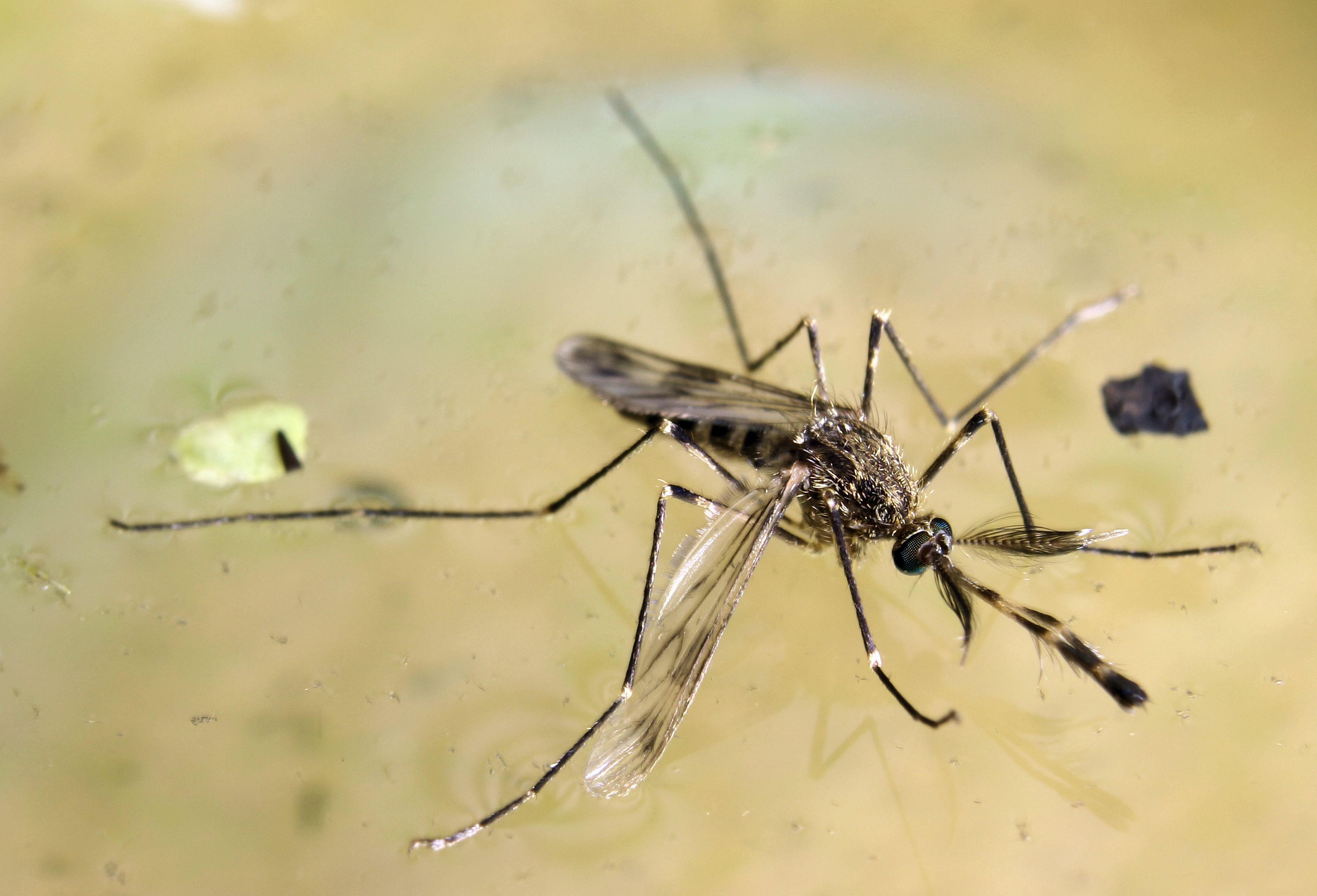
The Rio Grande is New Mexico's WNV engine. Culex tarsalis breeds in the warm, slow-moving water of the bosque irrigation channels, riverside sloughs, and agricultural drains that line the valley from Española south to El Paso. Bernalillo County (Albuquerque) and Doña Ana County (Las Cruces) record the state's most consistent human WNV cases. The species is exquisitely sensitive to temperature — WNV transmission accelerates sharply when nights stay above 60°F, which along the Rio Grande corridor happens reliably from late June through September.
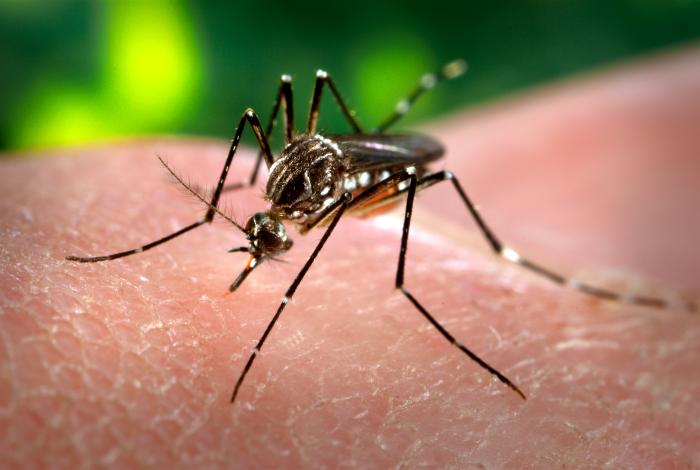
Aedes aegypti in southern New Mexico is a genuine public health concern that gets underreported because dengue and Zika outbreaks happen across the border, not here — yet. Las Cruces and the Doña Ana County communities share the same climate, the same species, and the same container-breeding habitat as El Paso and Ciudad Juárez, where dengue circulates in active years. The species bites during daylight in backyard settings, breeding in any standing water: flowerpots, roof gutters, discarded containers. The monsoon season, which loads those containers with warm water, is the highest-risk window.
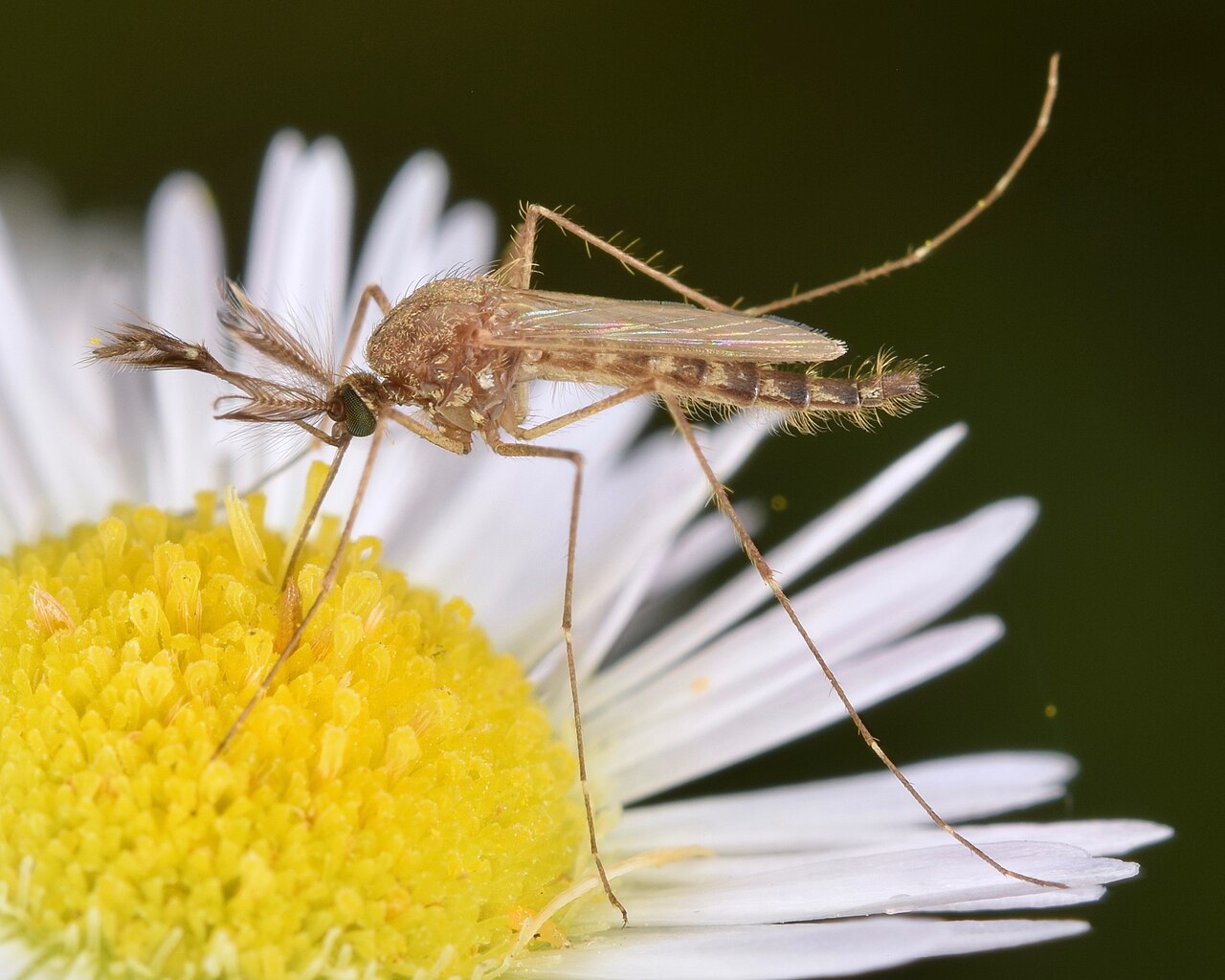
New Mexico's most event-driven mosquito — absent one week, overwhelming the next. Aedes vexans populations across the state are tied directly to monsoon timing: a July thunderstorm that drops an inch of rain on the Albuquerque bosque will trigger a hatch event within 5–7 days. The surges are geographically patchy — concentrated where the rain actually fell — and short-lived, typically peaking and declining within two weeks as breeding water evaporates in the dry heat. Not a significant disease vector, but responsible for most of the intense post-storm biting that catches residents off guard in July and August.
| City | Peak Season | Off-Season | Notes | |
|---|---|---|---|---|
| Albuquerque | Jul – Sep | Off Oct–Jun | Rio Grande bosque; WNV active most years; Bernalillo County surveillance program | Check live |
| Las Cruces | Jul – Oct | Off Nov–Jun | Ae. aegypti established; border dengue risk; longer monsoon tail than Albuquerque | Check live |
| Rio Rancho | Jul – Sep | Off Oct–Jun | Part of Albuquerque metro; arroyos fill during monsoon; Culex tarsalis active | Check live |
| Santa Fe | Jul – Aug | Off Sep–Jun | Higher elevation (7,000 ft); shorter season; Santa Fe River corridor; lower WNV risk | Check live |
| Roswell | Jul – Sep | Off Oct–Jun | Pecos River corridor; southeast NM; irrigation agriculture; Culex tarsalis present | Check live |