Is it mosquito season in Indiana?
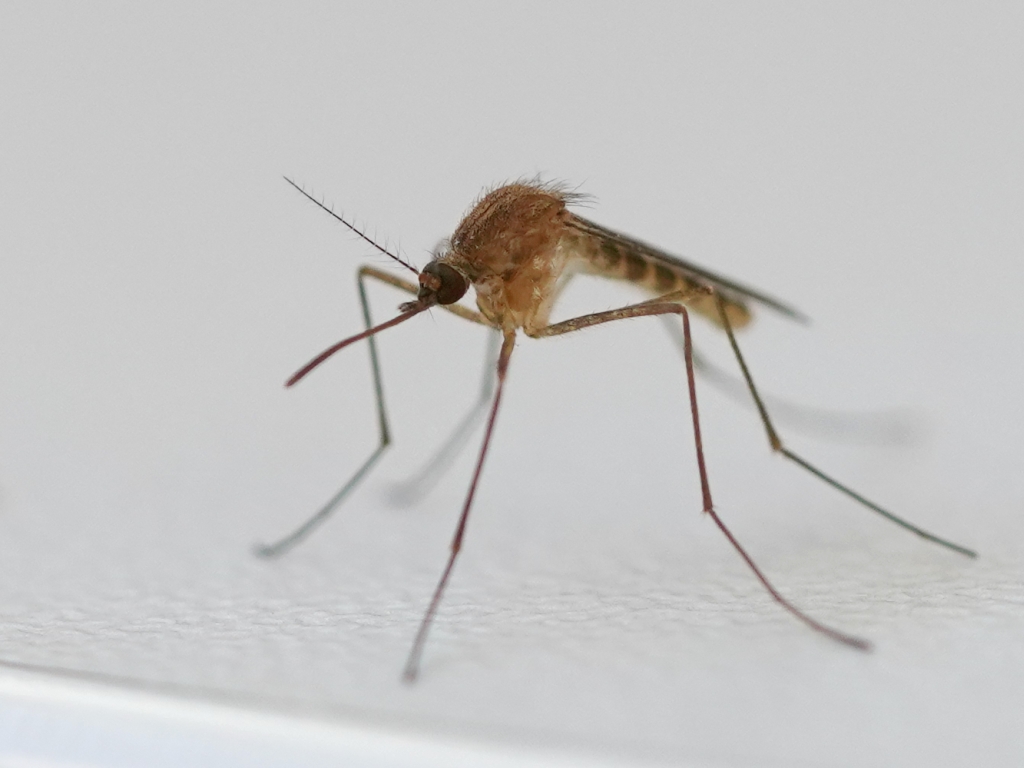
Northern house mosquito — the dominant West Nile virus vector in Indiana. Breeds in stagnant, organic-rich water: storm drains, catch basins, neglected containers. Bites at dusk and through the night. Marion County (Indianapolis) and surrounding counties record the highest WNV activity statewide.
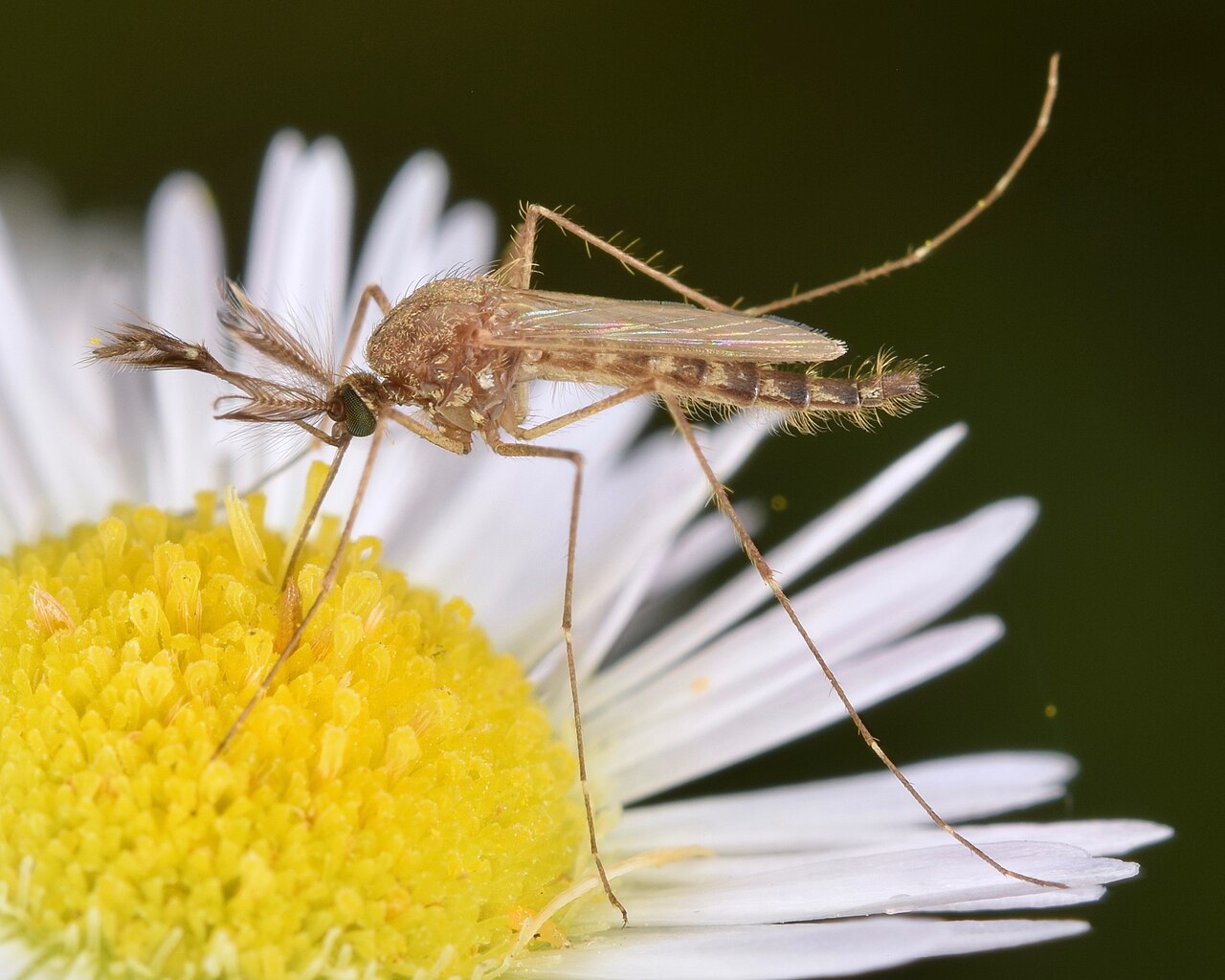
Indiana's Wabash River floodplain and the lowlands along the White River make this species explosively abundant after heavy rains. Eggs can lie dormant for years in dry soil and hatch en masse within days of flooding. Populations can surge from near-zero to overwhelming in under a week following significant rainfall.
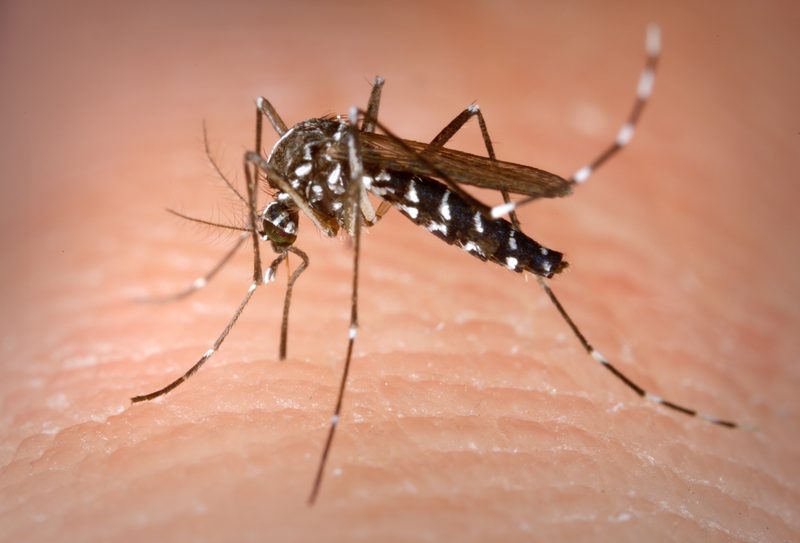
The Asian tiger mosquito has established itself across central and southern Indiana, with active expansion northward. Unlike Cx. pipiens, it bites aggressively during daylight hours — particularly in shaded suburban yards. Breeds in any small standing water: bird baths, clogged gutters, pot saucers. Most prevalent May through October.
Great Lakes wetlands and the EEE belt
Indiana's northern tier sits within the Great Lakes EEE (Eastern Equine Encephalitis) belt — the same zone that produced Michigan's deadly 2019 outbreak. Lake Michigan's wetlands, the Indiana Dunes National Park marshes, and the extensive boggy terrain in St. Joseph, LaPorte, and Marshall counties create prime habitat for Coquillettidia perturbans, the cattail marsh mosquito that serves as EEE's primary bridge vector to humans. ISDH issues EEE surveillance alerts for this region most summers.
The Wabash River floodplain
The Wabash River drains more than a quarter of Indiana's total land area, and its floodplain is among the most productive floodwater mosquito habitats in the Midwest. Ae. vexans eggs can accumulate in floodplain soil for years; a single significant rain event following a dry period can trigger simultaneous hatching of multiple year-classes. Terre Haute and the Wabash corridor routinely experience the most intense floodwater surges in the state. These populations disperse up to five miles from the hatch site — outdoor events near river lowlands can be severely affected within days of a storm.
West Nile surveillance in Indiana
The Indiana State Department of Health (ISDH) operates a statewide West Nile virus surveillance program running from May through October, testing mosquito pools and tracking avian mortality. Marion County (Indianapolis), Hamilton County, and Allen County (Fort Wayne) historically account for the majority of confirmed human WNV cases. Indiana typically records between 5 and 30 human WNV cases per year, with severe neuroinvasive disease cases concentrated in older adults. Check current ISDH WNV reports →
| City | Season | Off-season | Notes | Live data |
|---|---|---|---|---|
| Indianapolis | May – Sep | Off Oct–Apr | Marion County core; Cx. pipiens dominant with WNV detections most summers in ISDH surveillance traps; urban heat island extends season at both ends; Ae. albopictus expanding rapidly through suburban neighborhoods; Eagle Creek Reservoir and White River corridor amplify early-season populations | Check live |
| Fort Wayne | May – Sep | Off Oct–Apr | Three-river confluence (St. Marys, St. Joseph, Maumee) creates one of the most intense floodwater mosquito situations in northeast Indiana; historically significant Ae. vexans pressure after spring and summer thunderstorms; WNV detected in Allen County trap pools regularly; Ae. albopictus now established in residential areas | Check live |
| Evansville | Apr – Oct | Off Nov–Mar | Along the Ohio River — extended season compared to central Indiana (2–3 weeks earlier start, later finish); Ae. albopictus well established and active through October; Pigeon Creek watershed; WNV detected in Vanderburgh County; river bottom flooding drives significant Ae. vexans population surges | Check live |
| South Bend | May – Sep | Off Oct–Apr | Adjacent to Lake Michigan wetland corridor — St. Joseph and LaPorte counties are within the northern Indiana EEE surveillance zone; Potato Creek State Park and Yellow River wetlands nearby; Coquillettidia perturbans (EEE bridge vector) present in cattail marsh habitat; ISDH monitors this region closely each season | Check live |
| Terre Haute | May – Sep | Off Oct–Apr | Wabash River floodplain — among the most intense Ae. vexans locations in the state; significant post-storm population explosions common; Vigo County floodplain terrain means large-scale hatching events are regular occurrences; Ae. albopictus present in residential areas; WNV detected locally | Check live |
| Bloomington | May – Sep | Off Oct–Apr | Monroe Reservoir watershed; Ae. albopictus and Cx. pipiens both present; Indiana University campus grounds have significant container breeding in wooded areas; slightly shorter season than southern Indiana due to elevation; WNV detected in Monroe County; lower peak than urban centers | Check live |
| Muncie | May – Sep | Off Oct–Apr | Delaware County; flat agricultural landscape with extensive wetland drainage; White River corridor; Cx. pipiens and Ae. vexans both common; standing water in low-lying farm fields after heavy rains amplifies populations; Ae. albopictus present in residential areas; WNV detected in surrounding counties | Check live |