Iowa sits at the convergence of two of the continent's great river systems — the Mississippi and Missouri — and their floodplains dominate the state's mosquito ecology. Snowmelt and spring rains load the landscape with standing water each May, and by June the Aedes vexans floodwater populations are surging. West Nile Virus follows the Culex tarsalis and pipiens populations through the warm months.
The Mississippi corridor: highest WNV pressure
Scott, Clinton, and Muscatine counties along the Mississippi River consistently record the state's highest West Nile Virus case totals. The river's backwater lakes, oxbows, and floodplain wetlands provide Culex tarsalis with ideal warm-water breeding conditions through July and August. The Quad Cities metropolitan area straddles the river and sees above-average WNV exposure most years.
Central Iowa: Des Moines and the agricultural heartland
Polk County (Des Moines) and the surrounding agricultural counties experience significant Culex pipiens pressure in urban areas alongside Culex tarsalis in the surrounding farmland. The Raccoon and Des Moines River corridors funnel floodwater species into the metro following heavy rains. Season typically runs June through September with a July–August peak.
Western Iowa: the Missouri River valley
The Missouri River valley — Sioux City, Council Bluffs, and the floodplain counties — sees intense but variable pressure that depends heavily on spring flooding. High-water years on the Missouri produce extraordinary floodwater mosquito surges in June and early July. West Nile activity is generally somewhat lower than the Mississippi corridor but still present most summers.
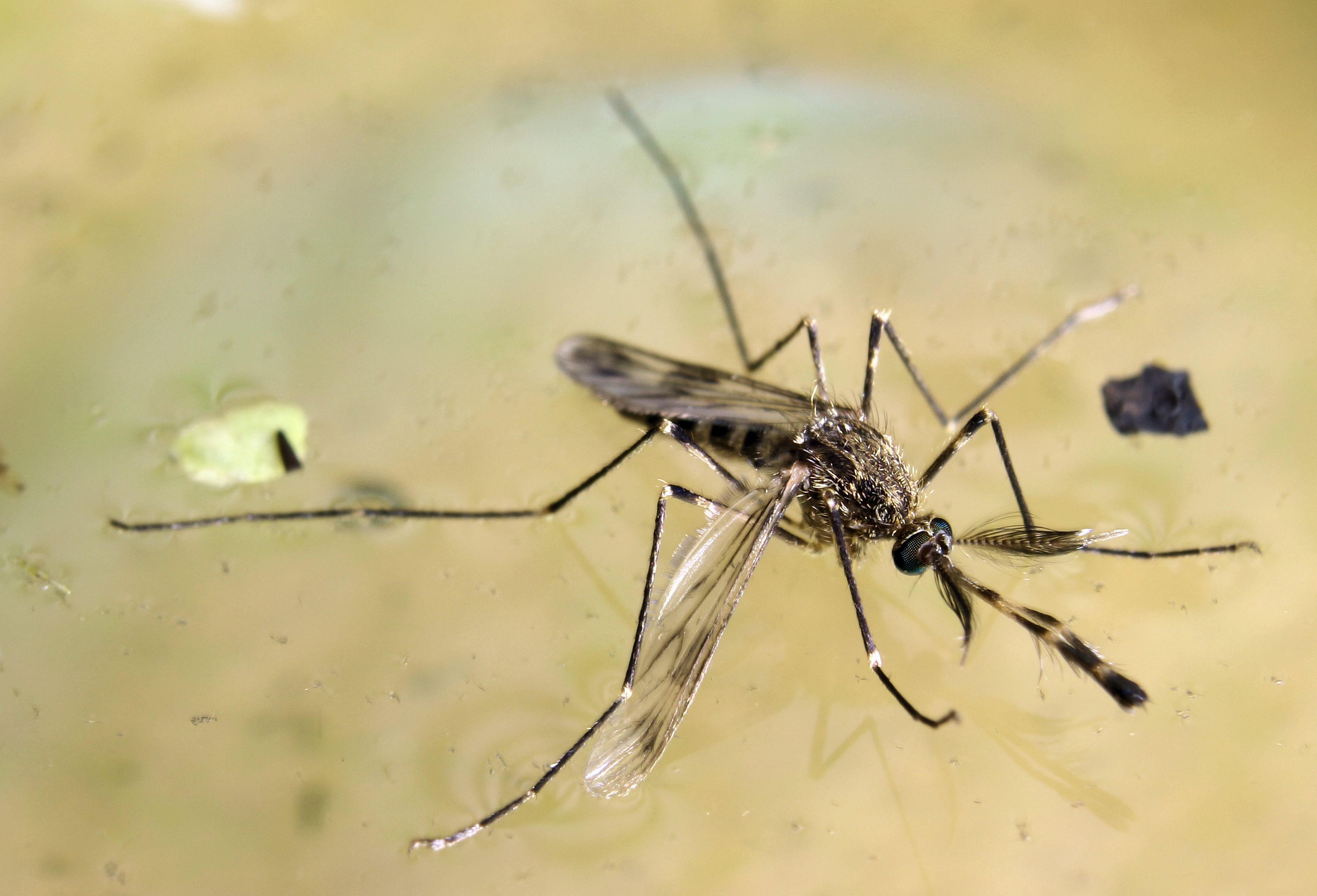
Iowa's WNV record is driven by this species in the agricultural zones surrounding the state's river systems. The Quad Cities corridor along the Mississippi — Scott, Clinton, Muscatine counties — is the state's most reliably active WNV zone, where warm river backwaters and oxbow lakes sustain tarsalis breeding from June through August. Central Iowa farmland adds to the pressure: the drainage ditch networks and livestock water infrastructure of Polk, Story, and Jasper counties provide breeding habitat at a density that mirrors the high-risk Great Plains states immediately to the west.
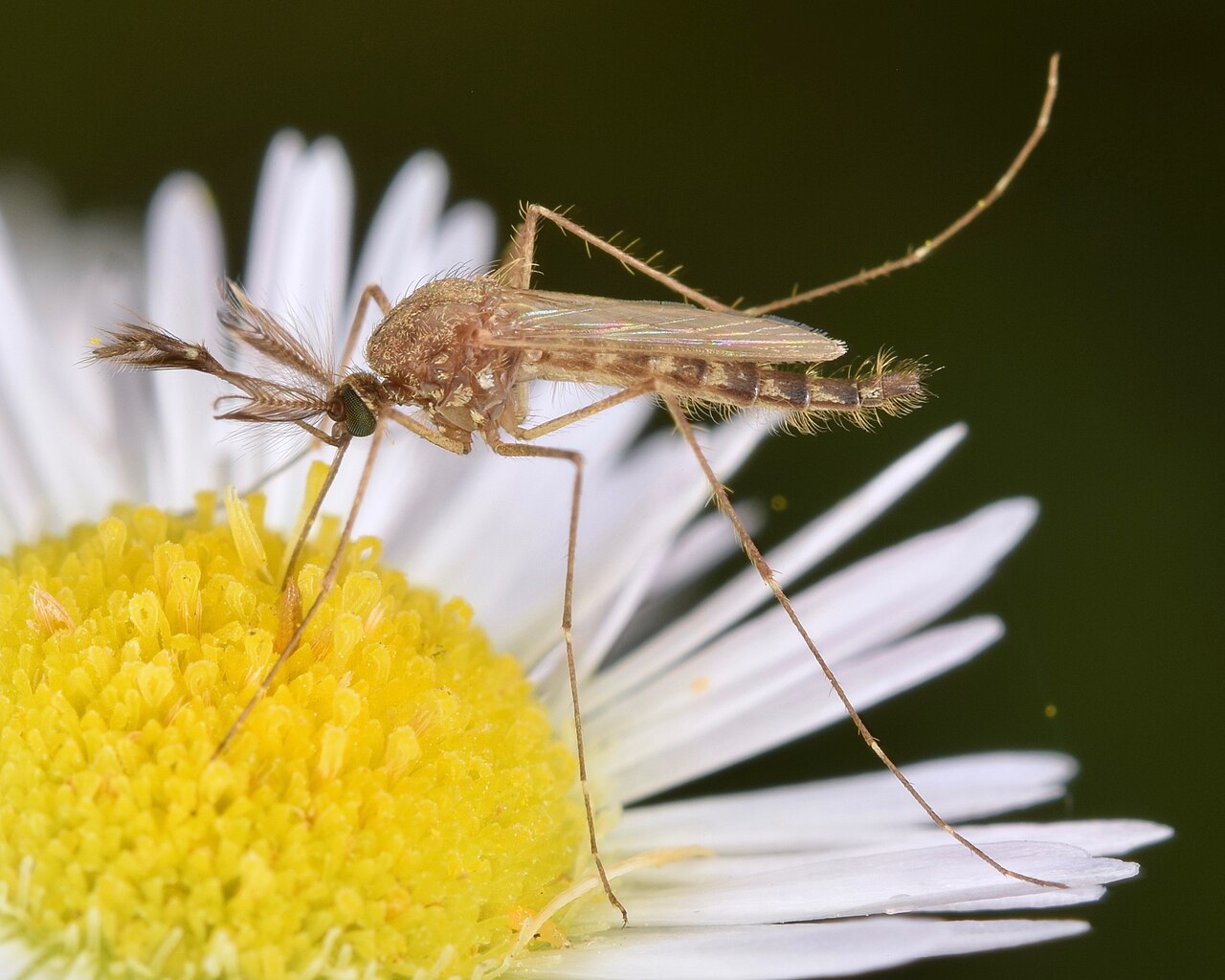
The species behind Iowa's legendary June mosquito eruptions. After snowmelt floods the Missouri and Mississippi floodplains in May, Aedes vexans populations can increase by orders of magnitude within a week — the eggs have been waiting in floodplain soils, sometimes for years, for exactly this trigger. Council Bluffs and the Missouri River valley communities often see the most intense events, as Missouri River snowmelt peaks in late May and early June. The Big Sioux and Rock River corridors in western Iowa add additional floodwater pressure from the same snowmelt cycle.
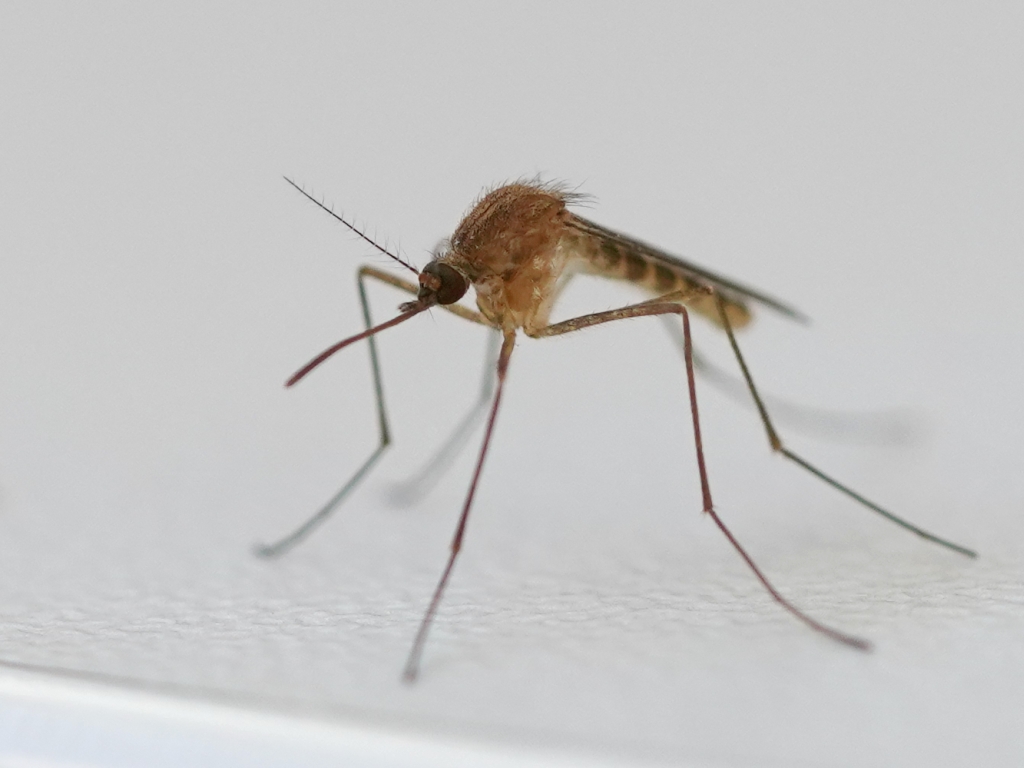
The urban WNV vector in Cedar Rapids, Davenport, Iowa City, and Des Moines — operating in city storm drain systems while Culex tarsalis works the surrounding farmland. Polk County (Des Moines) records the state's highest absolute WNV case totals in most years, a product of pipiens density in the metro compounded by tarsalis pressure from the Raccoon and Des Moines River agricultural zones immediately surrounding the city. A nocturnal biter, most active in residential neighborhoods from dusk through midnight in July and August.
| City | Peak Season | Off-Season | Notes | |
|---|---|---|---|---|
| Des Moines | Jun – Sep | Off Oct–May | Raccoon and Des Moines River corridors; urban Culex pipiens; WNV pressure most summers | Check live |
| Cedar Rapids | Jun – Sep | Off Oct–May | Cedar River floodplain; above-average floodwater pressure after wet springs | Check live |
| Davenport | Jun – Sep | Off Oct–May | Mississippi River; highest WNV exposure in state; Scott County consistently active | Check live |
| Sioux City | Jun – Aug | Off Sep–May | Missouri River valley; variable with river flooding; shorter effective season | Check live |
| Iowa City | Jun – Sep | Off Oct–May | Iowa River corridor; university area; above-average Culex pipiens in urban zones | Check live |