Is it mosquito season in South Carolina?
South Carolina divides cleanly between its coastal plain and Upstate Piedmont, and those regions run meaningfully different mosquito seasons. The Low Country — from Charleston south to Beaufort and Hilton Head — is one of the most active stretches of East Coast mosquito habitat, sustained by tidal marshes, river floodplains, and subtropical summer temperatures.
The Low Country: the most active zone on the East Coast
Charleston, Beaufort, Colleton, Jasper, and Horry counties sustain some of the densest mosquito populations on the Atlantic seaboard. Tidal salt marshes breed Ochlerotatus sollicitans (salt marsh mosquito) in enormous numbers — coastal residents often describe summer evenings as essentially unbearable without protection. Activity begins in March and stays meaningful through November.
The Midlands: Columbia and the Sandhills
Columbia and the central Midlands follow a standard Deep South pattern: season builds April–May, peaks through summer, and fades in October. The Broad, Saluda, and Congaree river systems create extensive floodwater habitat that drives population surges after spring and summer storms.
The Upstate Piedmont: shorter but real
Greenville, Spartanburg, and the Upstate Piedmont experience a shorter season, typically May through September, with peak intensity in July–August. Cooler temperatures and less standing water limit the extreme density seen on the coast, but Asian tiger mosquito populations are well established throughout the region.
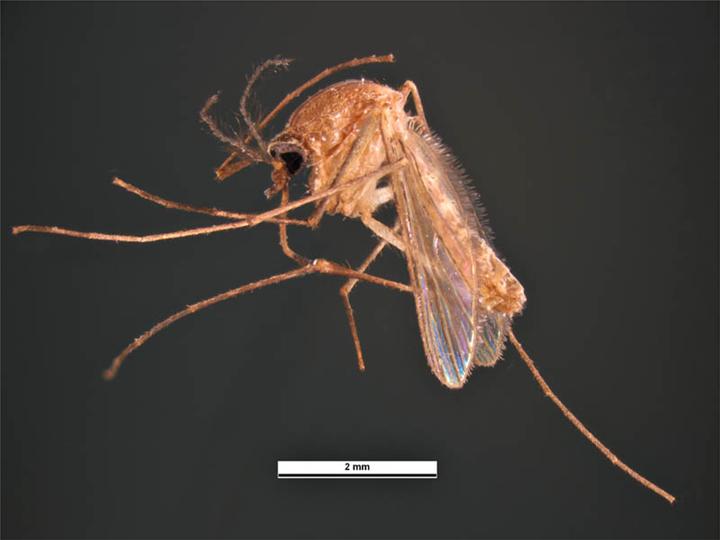
The primary West Nile Virus vector in South Carolina. A dusk-to-dawn biter breeding in stagnant water statewide. Dominant in Columbia and urban coastal areas. Present from late spring through fall across all 46 counties.
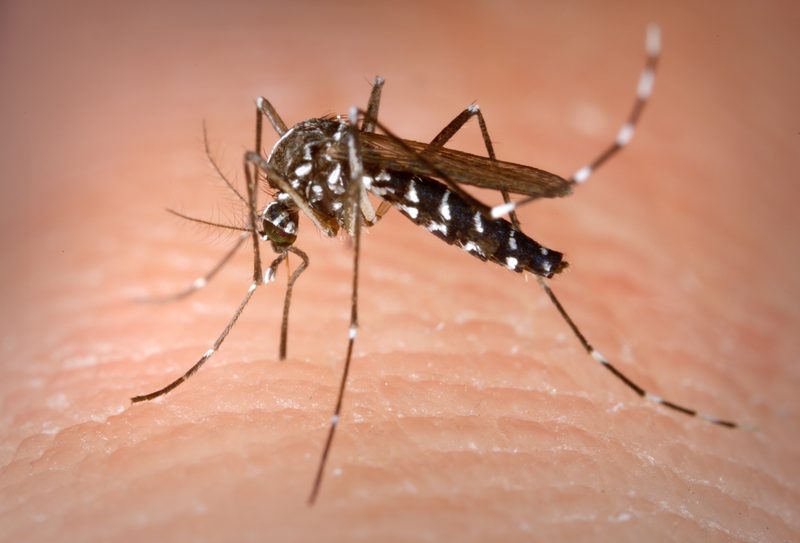
Established statewide and one of the most complained-about species in South Carolina suburbs. Bites aggressively during the day — making standard dusk/dawn-only protection insufficient for anyone spending time outdoors during peak season.
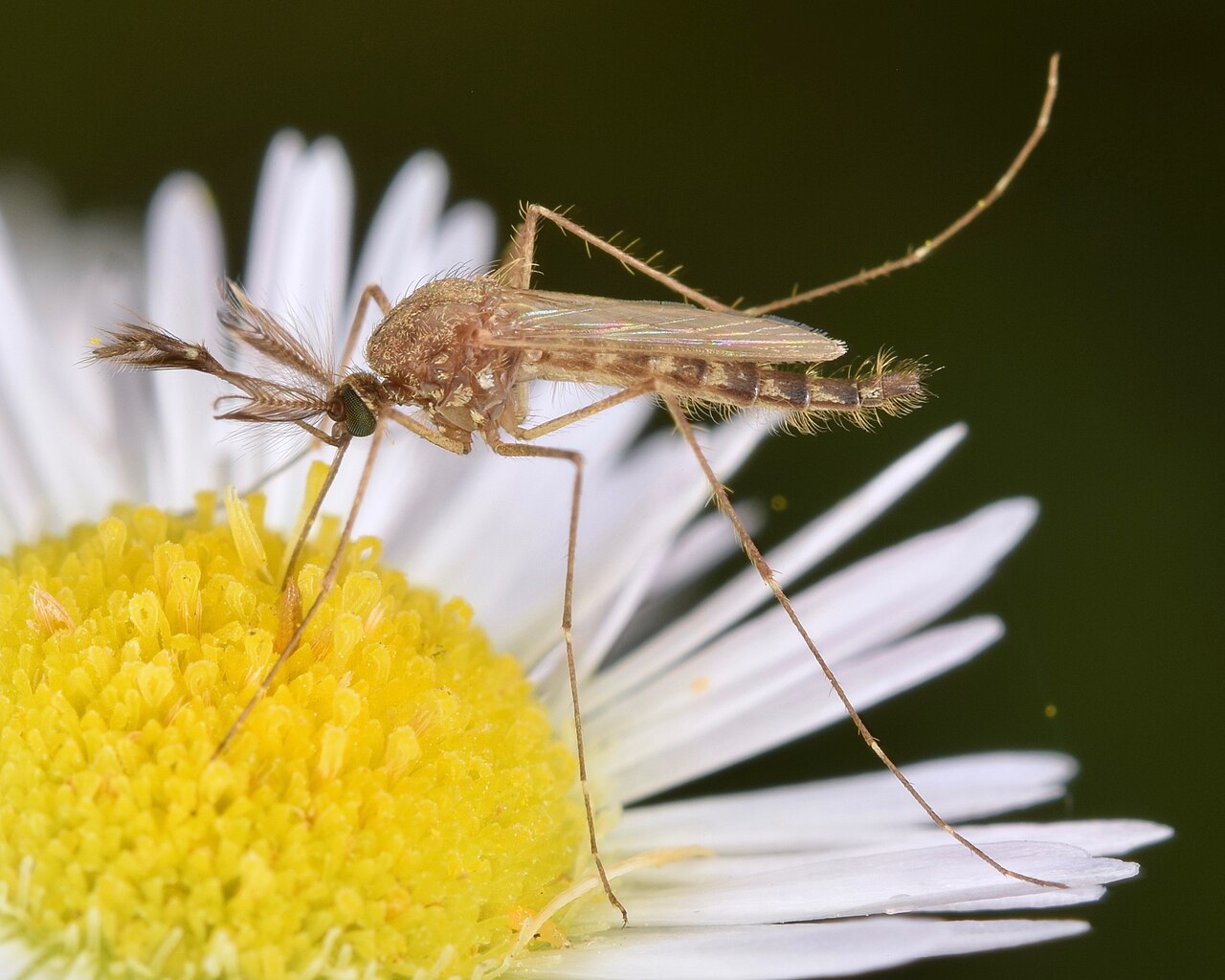
The defining coastal species of the South Carolina Low Country. Breeds in salt marsh habitat in enormous numbers and disperses miles inland on wind. Coastal residents near tidal areas in Charleston, Beaufort, and Horry counties experience the highest exposure from this species.
| City | Peak Season | Off-Season | Notes | |
|---|---|---|---|---|
| Charleston | Mar – Nov | Low Dec–Feb | Tidal salt marshes create intense coastal pressure; one of the most active East Coast metros | Check live |
| Myrtle Beach | Mar – Nov | Low Dec–Feb | Grand Strand salt marsh and freshwater impoundments; tourist season overlaps with peak mosquito season | Check live |
| Hilton Head | Mar – Nov | Low Dec–Feb | Sea island marshes; resort areas apply significant control but activity remains high | Check live |
| Columbia | Apr – Oct | Off Nov–Mar | Congaree River floodplain drives surges; Shandon and Forest Acres neighborhoods see tiger mosquito pressure | Check live |
| Greenville | May – Sep | Off Oct–Apr | Piedmont foothill season; Reedy River corridor; shorter window but tiger mosquito well established | Check live |