Is it mosquito season in West Virginia?
West Virginia's topography is a mosquito map. The state's river valleys — the Ohio, Kanawha, Monongahela, and Greenbrier corridors — concentrate both people and breeding habitat in the same narrow lowlands, while the Allegheny Plateau ridges between them see a fraction of the pressure. The practical result: residents of Parkersburg and Charleston experience a genuine April–October season with consistent West Nile Virus exposure, while someone living at elevation in Pocahontas County has meaningful activity for perhaps eight weeks. Aedes albopictus has now reached all 55 counties — including the mountain ones — extending daytime biting pressure into habitats where Culex species rarely venture.
The Ohio River valley: WV's most active zone
Wood County (Parkersburg) and Ohio County (Wheeling) experience West Virginia's most consistent West Nile Virus activity. The Ohio River floodplain, the Muskingum and Little Kanawha River backwaters, and urban storm drain systems support significant Culex pipiens populations through July and September. Proximity to Ohio's more active WNV zones amplifies the risk.
The Kanawha Valley: Charleston and the capital region
Charleston and the Kanawha Valley experience a genuine April–October season driven by the Kanawha and Elk River corridors. Culex pipiens is the dominant urban vector, while Aedes albopictus — established statewide — extends daytime biting pressure throughout the suburbs. Cabell County (Huntington) follows a similar pattern influenced by proximity to the Ohio River.
Appalachian headwaters: limited but present
The high-elevation counties of eastern West Virginia — Pocahontas, Randolph, Tucker — see much shorter seasons than the valleys, with meaningful activity only in July and August. The Monongahela National Forest headwater streams provide some habitat, but the altitude and cool nights dramatically reduce both density and disease risk compared to the lowland river corridors.
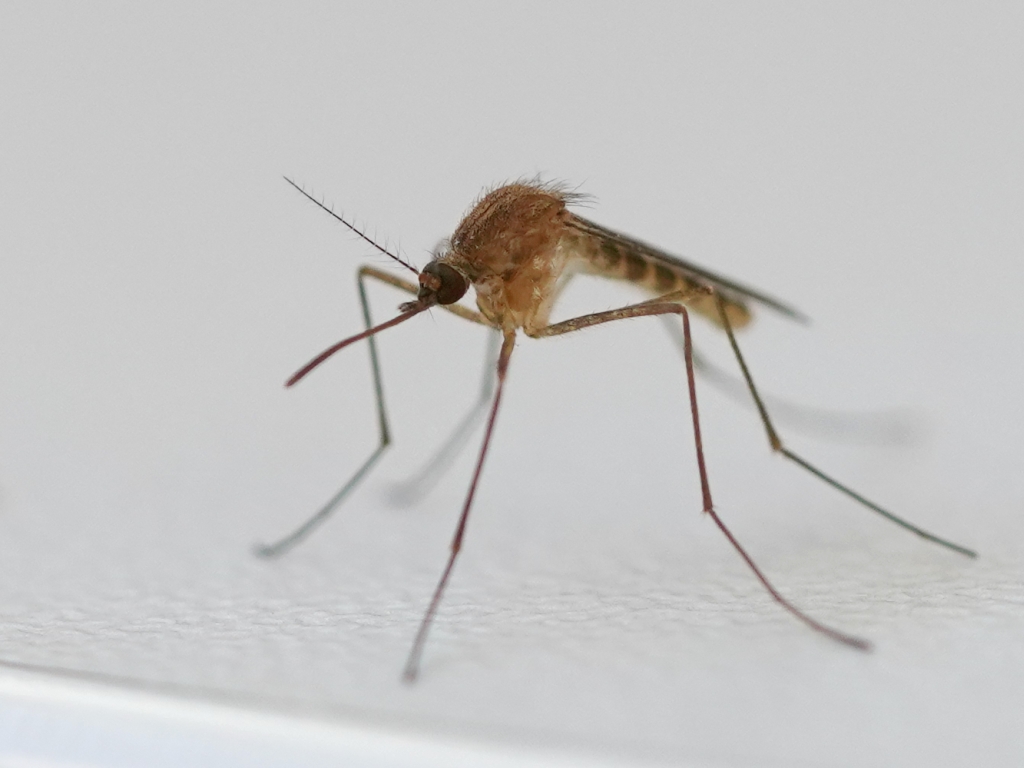
The primary WNV vector in West Virginia's Ohio River communities — Parkersburg, Huntington, Wheeling — where urban storm drain infrastructure provides dense breeding habitat in a state that otherwise lacks large agricultural water sources for Culex tarsalis. Culex pipiens is essentially a city species in WV: it thrives in the aging combined sewer overflow infrastructure of Ohio River towns and the residential neighborhoods of Charleston and Morgantown. Wood County (Parkersburg) and Cabell County (Huntington) record the state's most consistent WNV detections.
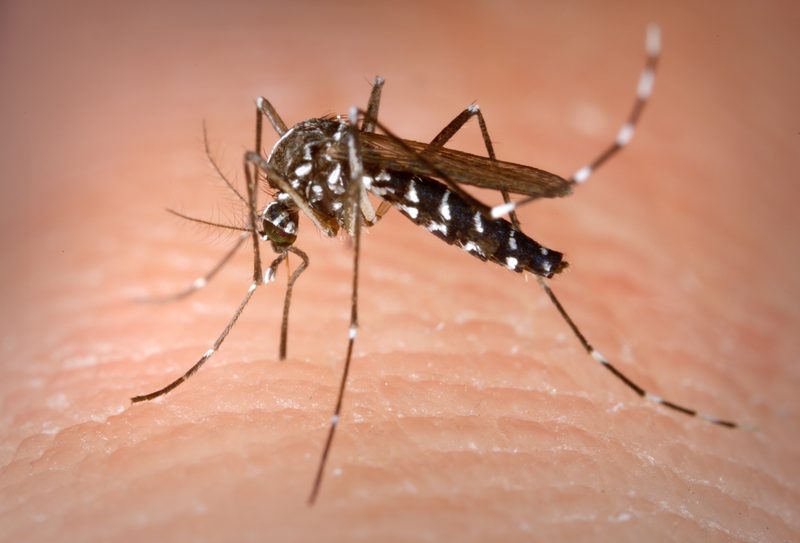
The story of Ae. albopictus in West Virginia is one of the faster range expansions recorded in the state. Established first in the Eastern Panhandle near the Washington DC metro, it has spread westward along the I-64 and I-79 corridors and is now confirmed statewide. The tiger mosquito breeds in discarded tires — still common in rural WV — and any small container holding water, making the state's outdoor culture particularly relevant: ATVs with water-collecting features, logging equipment, and rural porches all provide habitat. It bites throughout the day, catching people who think mosquitoes are only a dusk problem.
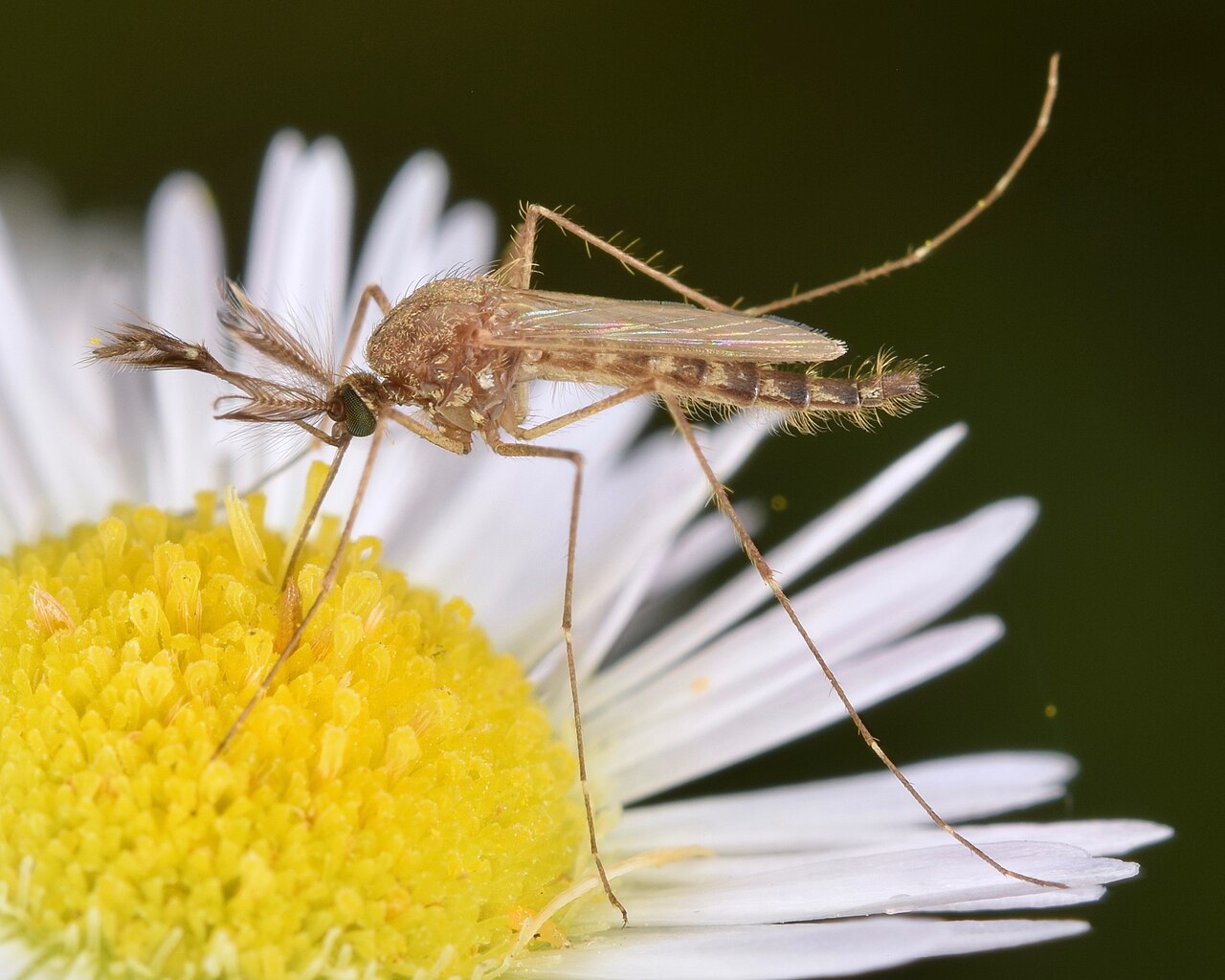
Responsible for the intense post-flooding biting that follows high water on the Ohio, Kanawha, and Greenbrier rivers — events West Virginia residents know well. The state's geography funnels heavy rainfall into sharp flooding pulses, and Aedes vexans eggs in the river floodplains respond explosively. The New River Gorge and Greenbrier River valleys see some of the most intense short-term surges, where the combination of forested terrain and flooding creates conditions that can make outdoor activity genuinely difficult for 10–14 days following a high-water event.
| City | Peak Season | Off-Season | Notes | |
|---|---|---|---|---|
| Charleston | Apr – Oct | Off Nov–Mar | Kanawha River; Elk River confluence; Ae. albopictus statewide; WNV some years | Check live |
| Huntington | Apr – Oct | Off Nov–Mar | Ohio River; Cabell County; similar to southern Ohio pattern; above-average pressure | Check live |
| Morgantown | May – Oct | Off Nov–Apr | Monongahela River; WVU campus; Culex pipiens; WNV detected in county most years | Check live |
| Parkersburg | Apr – Oct | Off Nov–Mar | Ohio River; Wood County; WNV active; Little Kanawha River corridor | Check live |
| Wheeling | Apr – Oct | Off Nov–Mar | Ohio River; Ohio County; northern border; one of highest WNV zones in WV | Check live |