IsItMosquitoSeasonYet
← National tracker
Wyoming · Mosquito Season Guide

Is it mosquito season in Wyoming?


Right now Live
···

Check a Wyoming city
II. Wyoming Mosquito Season Month by month

Wyoming offers more natural mosquito relief than any other contiguous US state. Most of the state sits above 5,000 feet, and significant portions above 7,000–8,000 feet — elevations where cold nights and UV intensity suppress populations for most of the year. The meaningful season is compressed to roughly six weeks centered on July. The eastern plains and the North Platte River valley carry the most activity, including West Nile Virus most years.

Cheyenne / Southeast WY
Cheyenne · Laramie · Torrington
Casper / North Platte Valley
Casper · Gillette · Douglas
Very Low Low Moderate High Very High taller = more active · color = severity
~25
mosquito species recorded in Wyoming
Jul–Aug
compressed peak season statewide
WNV
detected in eastern Wyoming most years
Shortest
meaningful mosquito season of any contiguous US state

Eastern Wyoming: the plains exception

The Laramie and Goshen counties in the southeast — lower in elevation and more agricultural than the mountain west — experience Wyoming's longest season, from late June through early September. The North Platte River and its tributaries provide Culex tarsalis with warm, productive breeding water. Torrington and Wheatland in the North Platte valley see the state's highest WNV pressure.

Casper and the Platte corridor

Casper sits at the heart of Wyoming's most mosquito-active zone — the North Platte River corridor through Natrona County. Alcova and Pathfinder reservoirs, the river's backwaters, and surrounding ranching infrastructure support Culex tarsalis populations through July and August. WNV is detected in Natrona County in most active summers.

The mountains: near-complete relief

Communities above 7,000 feet — Jackson Hole, Cody above the valley, Lander in normal years — experience a season so compressed as to be nearly negligible. Jackson Hole in particular (6,200 feet valley floor) has meaningful activity only in the warmest July weeks. Yellowstone National Park above 7,000 feet has mosquitoes but they are largely confined to the geothermal drainage areas and are present for a very short window.
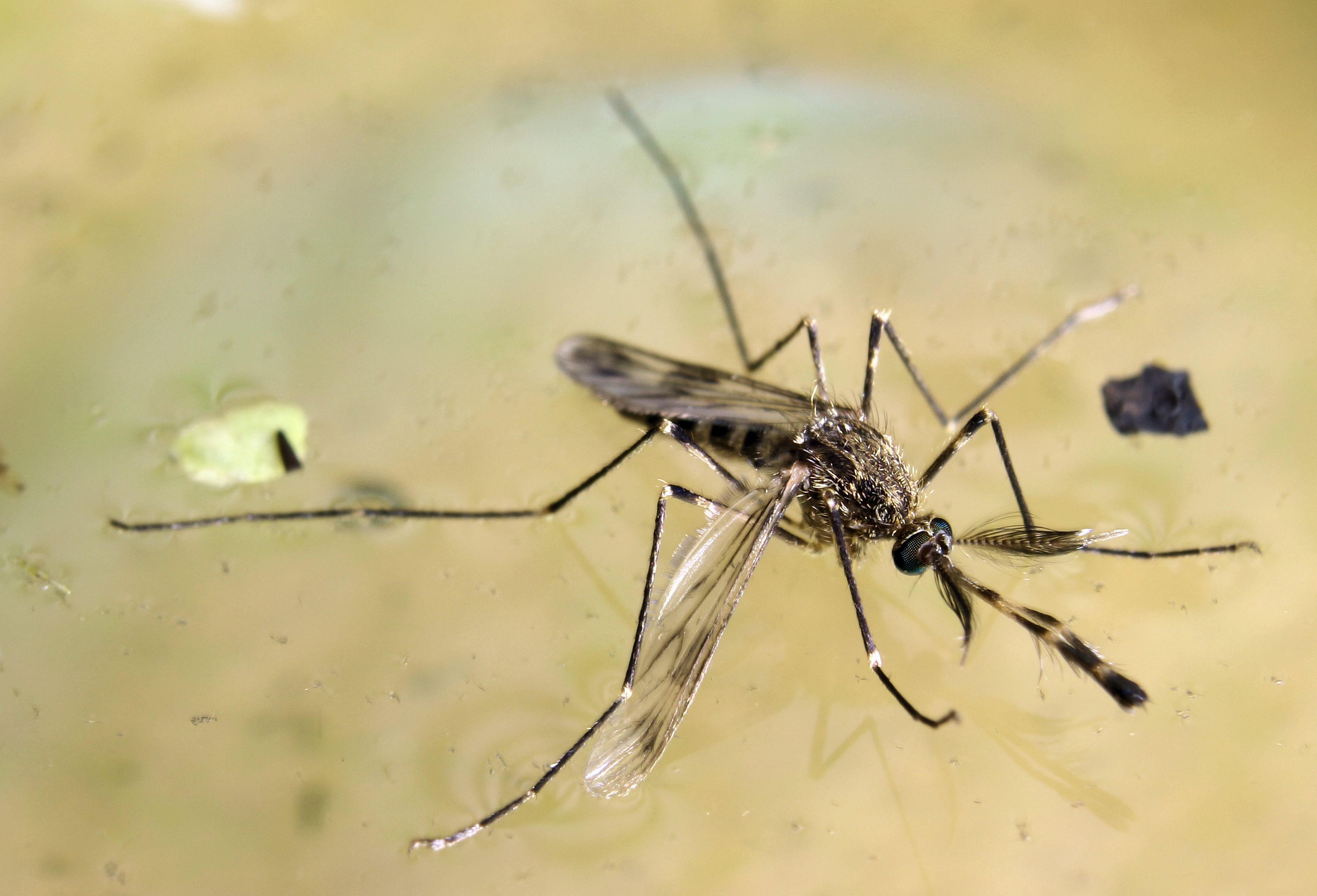
III. Wyoming's Key Mosquito Species
Culex tarsalis mosquito photograph
Culex tarsalis
Western Encephalitis Mosquito

Wyoming's narrow WNV window makes Culex tarsalis's productivity in the North Platte valley all the more striking. The species breeds in stock ponds, irrigation ditches, and Platte River backwaters from roughly June 20 through August 15 — a six-to-eight week transmission window that's short by national standards but real. In warm summers, Goshen County (Torrington) and Platte County (Wheatland) record the state's highest WNV activity, where the North Platte's agricultural infrastructure supports tarsalis at densities that surprise people unfamiliar with Wyoming's mosquito potential.
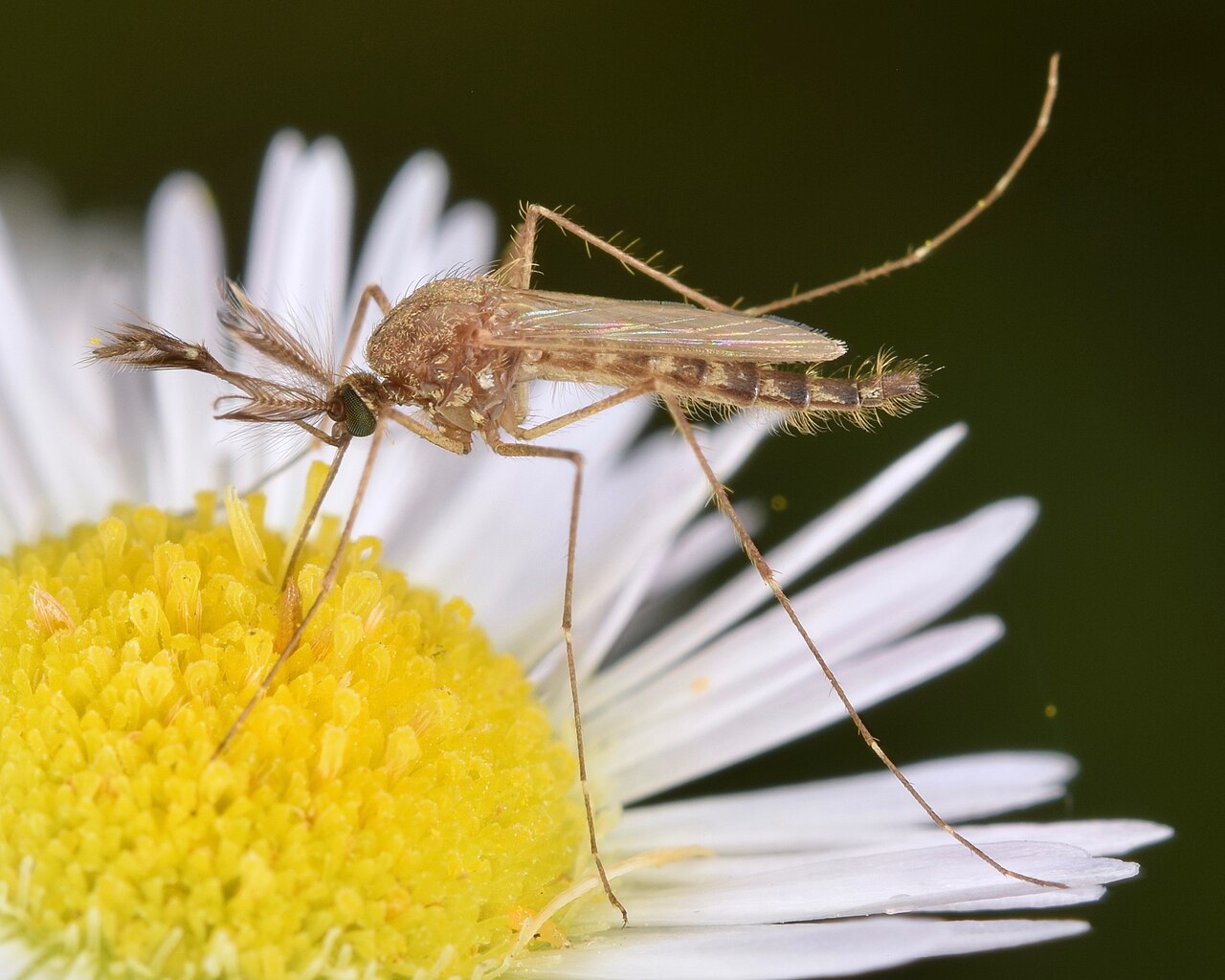
Aedes vexans mosquito photograph
Aedes vexans
Floodwater Mosquito

Responsible for the intense but merciful brevity of Wyoming's early-season biting. Aedes vexans eggs in the North Platte, Bighorn, and Wind River floodplains hatch when snowmelt raises water levels in late May and June — sometimes producing a week of genuinely overwhelming pressure before the landscape dries and populations crash. In the mountain valleys (Jackson Hole, Cody, Dubois), this snowmelt surge is the entire season: there's an intense two-week window in June, then relative quiet for the rest of summer. Planning outdoor Wyoming activities around this window is worth doing.
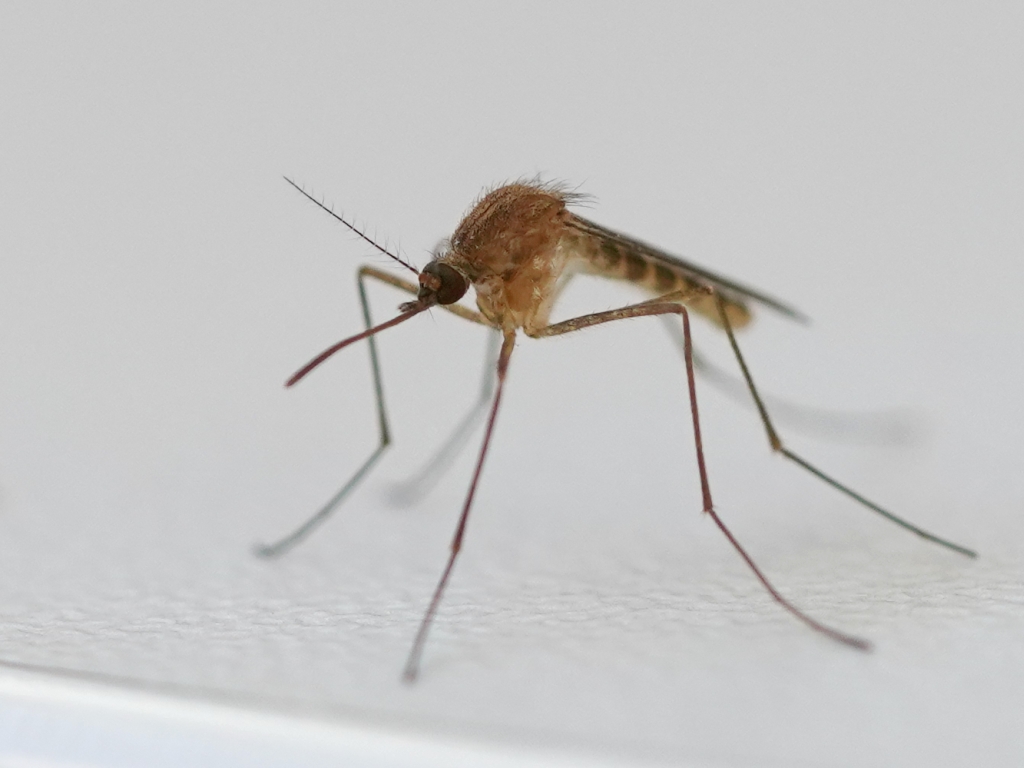
Culex pipiens mosquito photograph
Culex pipiens
Northern House Mosquito

The urban mosquito of Cheyenne and Casper — modest in impact compared to the agricultural species but present and occasionally relevant for WNV. Cheyenne's storm drain system and the irrigation infrastructure of the older residential neighborhoods support Culex pipiens through the July–August peak. Given Wyoming's compressed season, the transmission window for this species is roughly six weeks — late June through early August — compared to three to four months in the southern states where the same species operates. Still, Laramie County health officials include pipiens in their WNV surveillance program.

IV. Wyoming Cities at a Glance
CityPeak SeasonOff-SeasonNotes
Cheyenne Jun – Aug Off Sep–May Highest-risk city in WY; Crow Creek corridor; WNV active most years; lower elevation Check live
Casper Jul – Aug Off Sep–Jun North Platte River; Natrona County WNV; 5,000 ft elevation; very short season Check live
Laramie Jul Off Aug–Jun 7,200 ft elevation; shortest meaningful season; Laramie River; very brief July peak Check live
Gillette Jul – Aug Off Sep–Jun Powder River Basin; coal country; Belle Fourche River; moderate July pressure Check live
Rock Springs Jul – Aug Off Sep–Jun High desert; Green River corridor; 6,200 ft; minimal activity outside river corridor Check live
More State Guides
Florida Year-round activity in the south — 80+ species including invasive Ae. aegypti and the Asian tiger mosquito across all 67 counties Texas ~85 species across four climate zones — Gulf Coast active March through November, with year-round pressure in the Rio Grande Valley California Central Valley is the #1 West Nile corridor in the US — invasive Ae. aegypti and Ae. albopictus now established in 20+ counties Georgia Atlanta metro leads the Southeast in Asian tiger mosquito density — active statewide March through November New York Ground zero for West Nile in the US (1999 Queens outbreak) — NYC metro and Long Island see the highest Northeast seasonal pressure Illinois Home of the 2002 Cook County West Nile outbreak — the deadliest urban WNV event in US history — peak season June through September Ohio Lake Erie to the Ohio River — WNV active in Franklin and Cuyahoga counties, with floodwater species surging after summer storms Pennsylvania Philadelphia WNV corridor meets rural EEE risk in western PA — the densest human population in the mid-Atlantic mosquito belt Michigan Site of the 2019 EEE outbreak — the deadliest in decades — 10 human cases and 6 deaths concentrated in SW Michigan Great Lakes wetlands New Jersey Oldest organized county mosquito control in the US (1914) — Pine Barrens EEE corridor and fierce salt marsh Shore species Virginia Tidewater season runs April–October — the longest mid-Atlantic window — with the Great Dismal Swamp as an active EEE hotspot North Carolina The coastal plain runs one of the longest seasons in the Southeast — NC leads the nation in La Crosse encephalitis cases from the Appalachian foothills Maryland Chesapeake Bay watershed creates extraordinary mosquito habitat — tidal marshes, Eastern Shore wetlands, and the DC-Baltimore corridor combine for dense seasonal pressure Tennessee Memphis and the Mississippi River corridor historically record the highest WNV case counts in the mid-South — Ae. albopictus has colonized all 95 counties Indiana Indiana sits at the crossroads of the Great Lakes EEE belt — Lake Michigan wetlands in the north and the Wabash River floodplain drive intense seasonal pressure Louisiana The Gulf Coast's most intense pressure — coastal marshes and summer rains keep Cx. quinquefasciatus and Ae. aegypti active from March through November Alabama Mobile Bay to the Tennessee Valley — Ae. albopictus has reached all 67 counties and peak WNV season runs June through September South Carolina Low Country marshes produce some of the Southeast's densest Anopheles and Culex populations — season runs March through November Minnesota 10,000 lakes means 10,000 breeding sites — the Northwoods sees intense but short July–August peaks, while the Twin Cities face a longer June–September window Wisconsin Great Lakes wetlands and the Mississippi River backwaters drive strong WNV pressure in the Milwaukee corridor — peak season July through August Missouri At the confluence of the Missouri and Mississippi rivers — St. Louis historically ranks among the highest WNV cities in the US — season May through October Arkansas Delta rice-field flooding and the Arkansas River bottomlands create some of the highest rural mosquito pressure in the mid-South — active April through October Washington Western WA stays mild and damp year-round; the Yakima Valley and Columbia Basin face the highest WNV risk in the Pacific Northwest — peak July through September Arizona Monsoon season (July–September) drives sudden mosquito explosions across the Valley of the Sun — WNV detected annually Colorado Front Range WNV corridor stretches Denver to Fort Collins — eastern plains carry the state's highest risk Connecticut Connecticut River valley WNV pressure meets EEE risk in inland freshwater wetlands — active May through October Delaware Chesapeake and Delaware Bay marshes create outsized pressure for the nation's second-smallest state Hawaii Year-round activity at sea level — no native species, but Ae. aegypti and tiger mosquitoes established statewide Idaho Snake River Plain irrigation districts fuel summer WNV pressure — season June through September Iowa Mississippi River corridor and prairie wetlands drive intense June–September pressure — WNV active statewide Kansas Great Plains WNV corridor — Wichita and Kansas City see peak pressure July–August; floodwater species surge after storms Kentucky Ohio River corridor and Kentucky Lake wetlands sustain a long April–October season across all 120 counties Maine Short but intense July–August season — EEE detected in some years in the southern coastal plain Massachusetts EEE fatality rate exceeds 30% — the Plymouth County swamp complex is the active epicenter — season May through October Mississippi Gulf Coast near-year-round pressure meets Delta rice-field flooding for one of the South's most intense mosquito environments Montana Yellowstone and Missouri River corridors drive a compressed June–August season — WNV detected most years in eastern MT Nebraska Platte River valley and eastern Nebraska are among the Great Plains' most active WNV zones — peak July–August Nevada Las Vegas monsoon season drives July–September activity; Reno irrigation districts fuel a parallel northern peak New Hampshire EEE detected most years — the southern lakes and coastal plain are in the active Northeast EEE corridor New Mexico Monsoon season (July–September) creates sudden breeding habitat; WNV circulates in the Rio Grande valley annually North Dakota Red River Valley flooding produces some of the Great Plains' most extreme floodwater mosquito events — peak June–August Oklahoma One of the South-Central's most intense seasons — the Arkansas and Red River corridors sustain populations April through October Oregon Eastern Oregon Columbia Basin is the state's WNV hotspot; western Oregon runs a mild coastal season June through September Rhode Island New England's densest coastal pressure — Narragansett Bay salt marshes and WNV active in all five counties South Dakota Missouri River and James River valleys drive summer WNV activity — eastern SD sees the most intense pressure Utah Salt Lake Valley WNV corridor and irrigation districts sustain a July–September peak — drier areas see limited activity Vermont Champlain Valley runs Vermont's longest season — EEE detected in the Lake Champlain lowlands in some years West Virginia Kanawha and Ohio River valleys sustain a May–October season — Ae. albopictus now established statewide
West Nile, dengue, and EEE: US disease risk by region → Asian tiger mosquitoes: why you're getting bitten during the day → Eliminating standing water: the highest-leverage yard move →