Is it mosquito season in Arkansas?
Arkansas is one of the most underrated mosquito states in the country. The Mississippi Delta bottomlands in the east, the Arkansas River floodplain through the center, and the Red River in the southwest combine to create an extraordinary extent of seasonal floodwater breeding habitat. From March through November, activity is near-continuous across most of the state.
The Mississippi Delta: Arkansas's most intense zone
The Delta counties — Mississippi, Crittenden, Poinsett, Cross, and their neighbors — sit in the floodplain of the Mississippi River and its tributaries. Annual flooding loads the landscape with standing water just as temperatures warm in spring, producing floodwater mosquito populations that rank among the densest in the continental US. Jonesboro and West Memphis area residents experience some of the longest and most intense seasons in the state.
The Arkansas River Valley
Little Rock and the Arkansas River corridor from Fort Smith to the Delta represent the state's central mosquito belt. The river floodplain, combined with the central Arkansas bottomland hardwood forests, sustains significant breeding populations from March through October. Urban drainage and storm systems extend Culex populations into residential neighborhoods throughout the season.
Northwest Arkansas: the Ozark edge
Fayetteville, Bentonville, and the rapidly growing northwest Arkansas metro sit at the edge of the Ozark Plateau, where the season is shorter and less intense than the lowlands. The region still sees meaningful June–August pressure, and Asian tiger mosquito populations have expanded rapidly with urbanization.
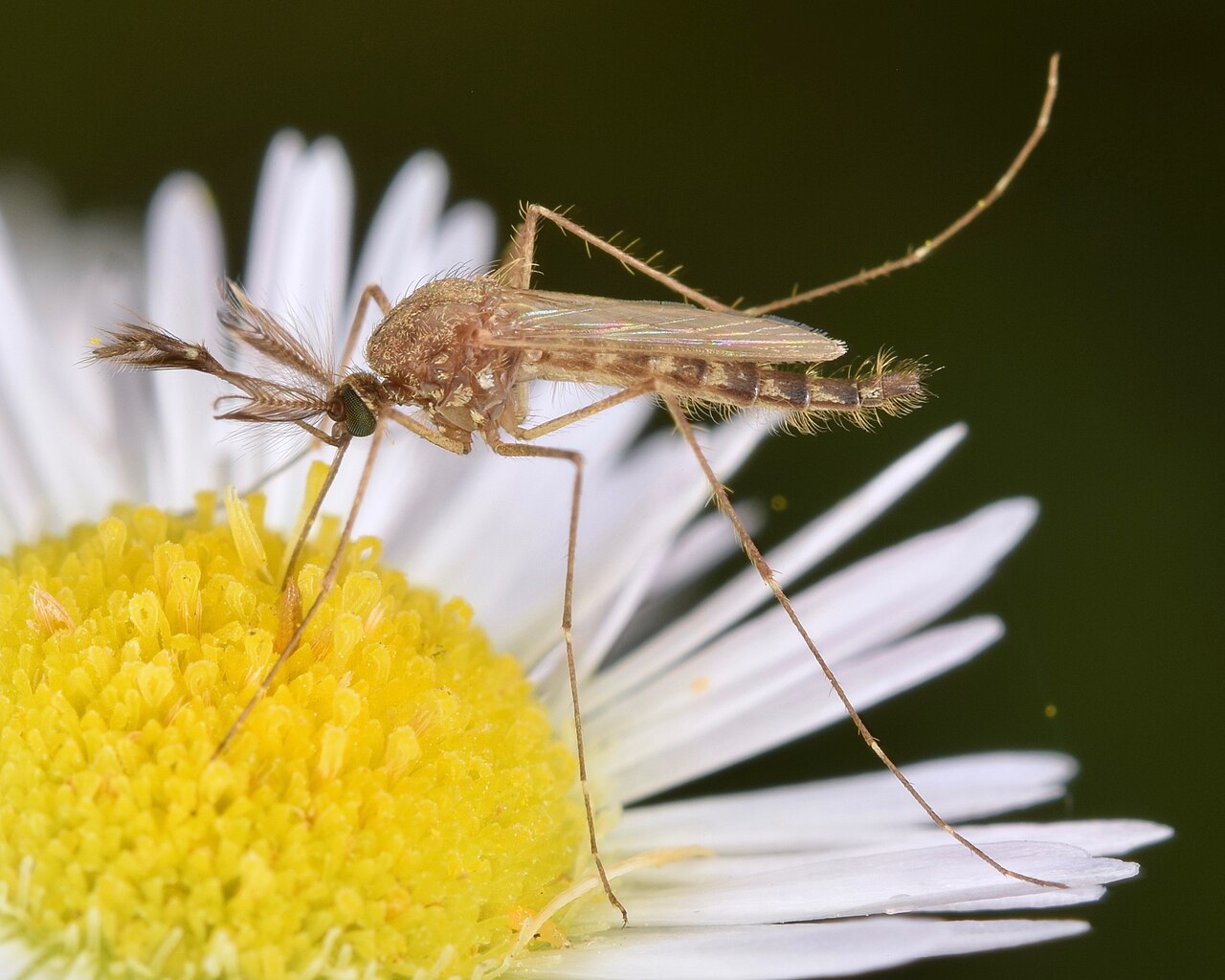
The dominant species in the Delta and river bottom counties. Hatches in massive numbers from floodplain soils after spring flooding and heavy rains — populations in the Delta can reach extraordinary densities following Mississippi River high-water events. Disperses miles from breeding sites.
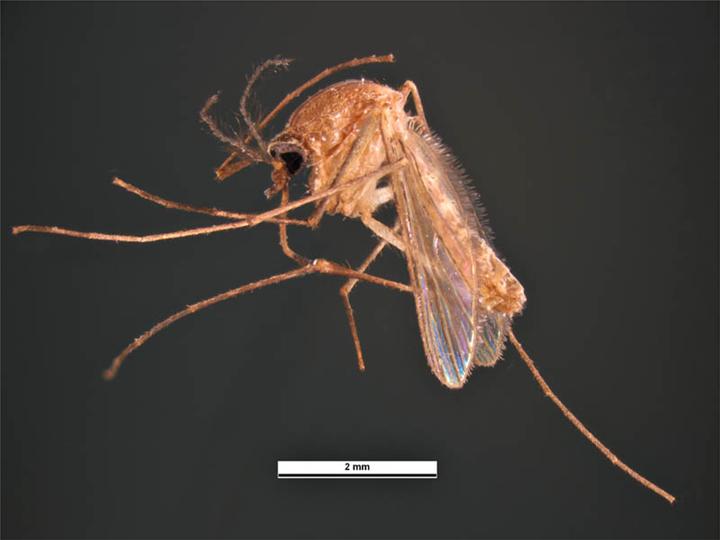
The primary West Nile Virus vector across Arkansas. Present statewide from late spring through fall, breeding in stagnant urban water. WNV is detected annually — Pulaski, Crittenden, and Garland counties log the highest case counts in most years.
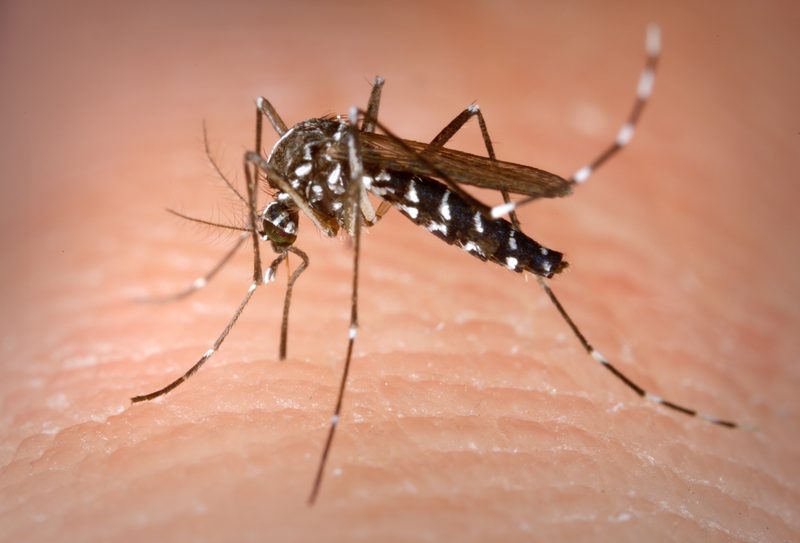
Established statewide and a growing presence in northwest Arkansas with rapid urbanization. An aggressive daytime biter active through the entire warm season. Little Rock and Fayetteville suburban areas see dense populations in neighborhoods with container water sources.
| City | Peak Season | Off-Season | Notes | |
|---|---|---|---|---|
| Little Rock | Mar – Nov | Off Dec–Feb | Arkansas River floodplain; Fourche Creek watershed; dense Culex populations in urban areas | Check live |
| Jonesboro | Mar – Nov | Off Dec–Feb | Delta edge; St. Francis River basin; among the most active large-city locations in the state | Check live |
| Pine Bluff | Mar – Nov | Off Dec–Feb | Arkansas River/Bayou Meto confluence; bottomland hardwood floodplain; intense spring surges | Check live |
| Fort Smith | Mar – Oct | Off Nov–Feb | Arkansas River corridor; Oklahoma border; river bottom floodwater species prominent in spring | Check live |
| Fayetteville | Apr – Oct | Off Nov–Mar | Ozark Plateau edge; shorter season; but NW Arkansas urbanization expanding tiger mosquito range | Check live |