Is it mosquito season in Kentucky?
Kentucky's mosquito season is shaped by two forces: the Ohio River corridor in the north, which runs one of the longest and most intense seasons in the Upper South, and the Appalachian woodland wetlands in the east, which harbor Eastern Equine Encephalitis vectors in isolated swamp complexes. Aedes albopictus — the Asian tiger mosquito — has colonized all 120 counties and turned daytime outdoor activities into biting season from May through October.
Louisville and the Ohio River valley
Louisville sits at the bend of the Ohio River with extensive floodplain habitat on both the Kentucky and Indiana shores. Jefferson County experiences intense pressure from the Falls of the Ohio area through the Beargrass Creek watershed. The season starts in April during warm years and runs through October — one of the longest effective windows in the Midwest. West Nile Virus is detected in Jefferson County virtually every summer.
The Bluegrass region: horse country
The Lexington metropolitan area and the surrounding Bluegrass — Fayette, Scott, Bourbon, and Clark counties — experience a classic Upper South season from May through September. The region's horse farms and their water features, along with the Kentucky River tributaries, sustain active Culex and Aedes populations. EEE has been detected in the Bluegrass in some years.
Eastern Kentucky: Appalachian woodland mosquitoes
The Daniel Boone National Forest and the Appalachian coalfield counties of eastern Kentucky see intense woodland mosquito pressure in June and July, driven by Aedes vexans and Aedes canadensis in forested wetlands. Population density is low, but outdoor workers and recreationists face consistent pressure through the summer months.
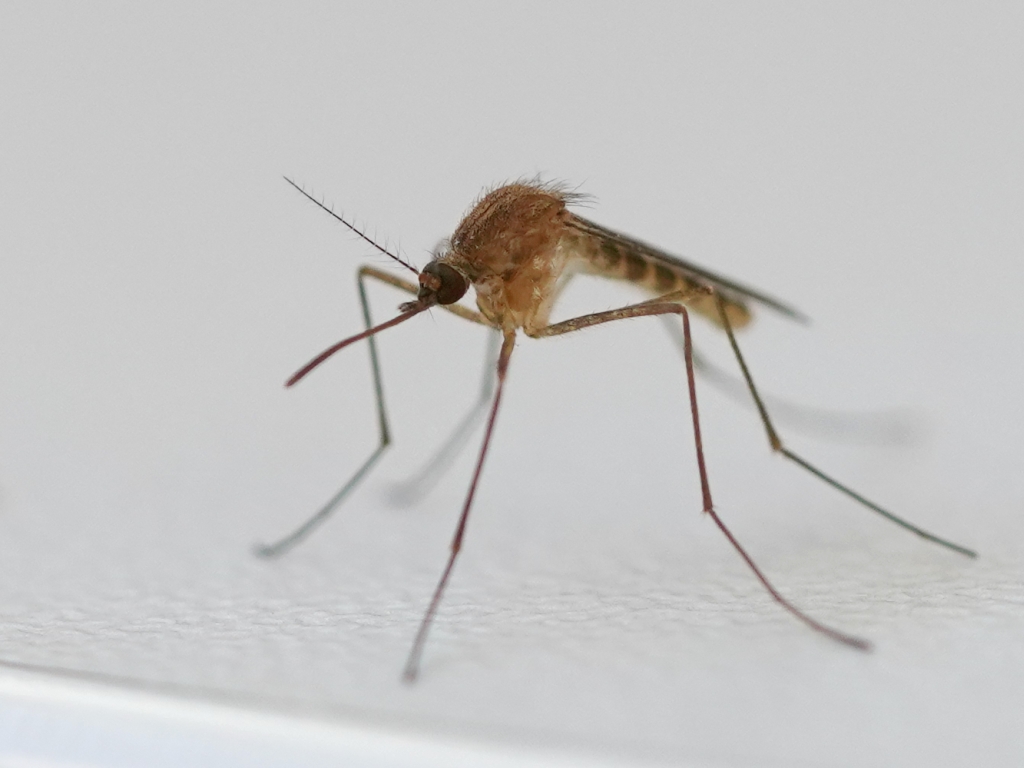
The Ohio River corridor is one of the densest Culex pipiens zones in the mid-South, and Louisville sits at its center. Pipiens colonizes urban drainage infrastructure — storm drains, catch basins, and the standing water that pools in low-lying neighborhoods after summer rains — and moves WNV between corvids and humans through July and August. A late-evening biter that stays close to its breeding water, high trap counts cluster near the river bottoms and older urban neighborhoods with aging drainage.
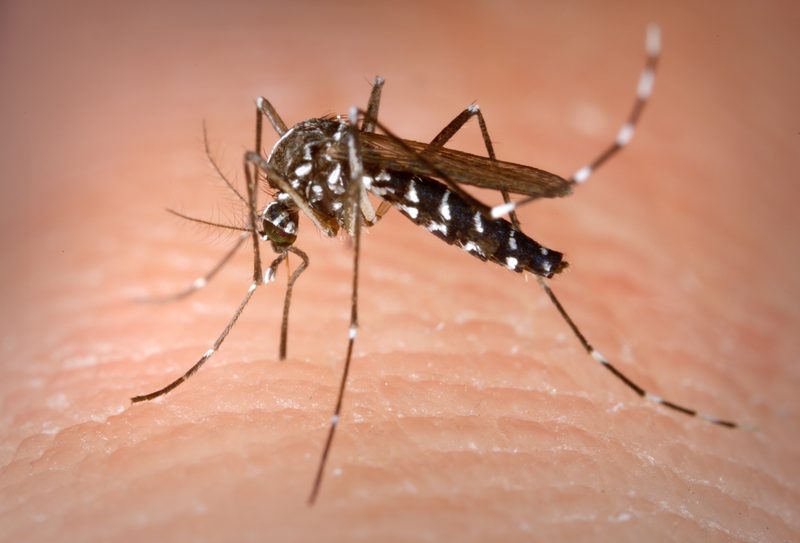
Established in all 120 Kentucky counties, the tiger mosquito is the most commonly encountered species in residential areas statewide. A daytime container breeder that thrives in shaded suburban yards, it extends biting pressure from May through October — far outlasting the Culex nighttime window. It is responsible for most of the backyard biting pressure that drives Kentuckians indoors on otherwise pleasant evenings.
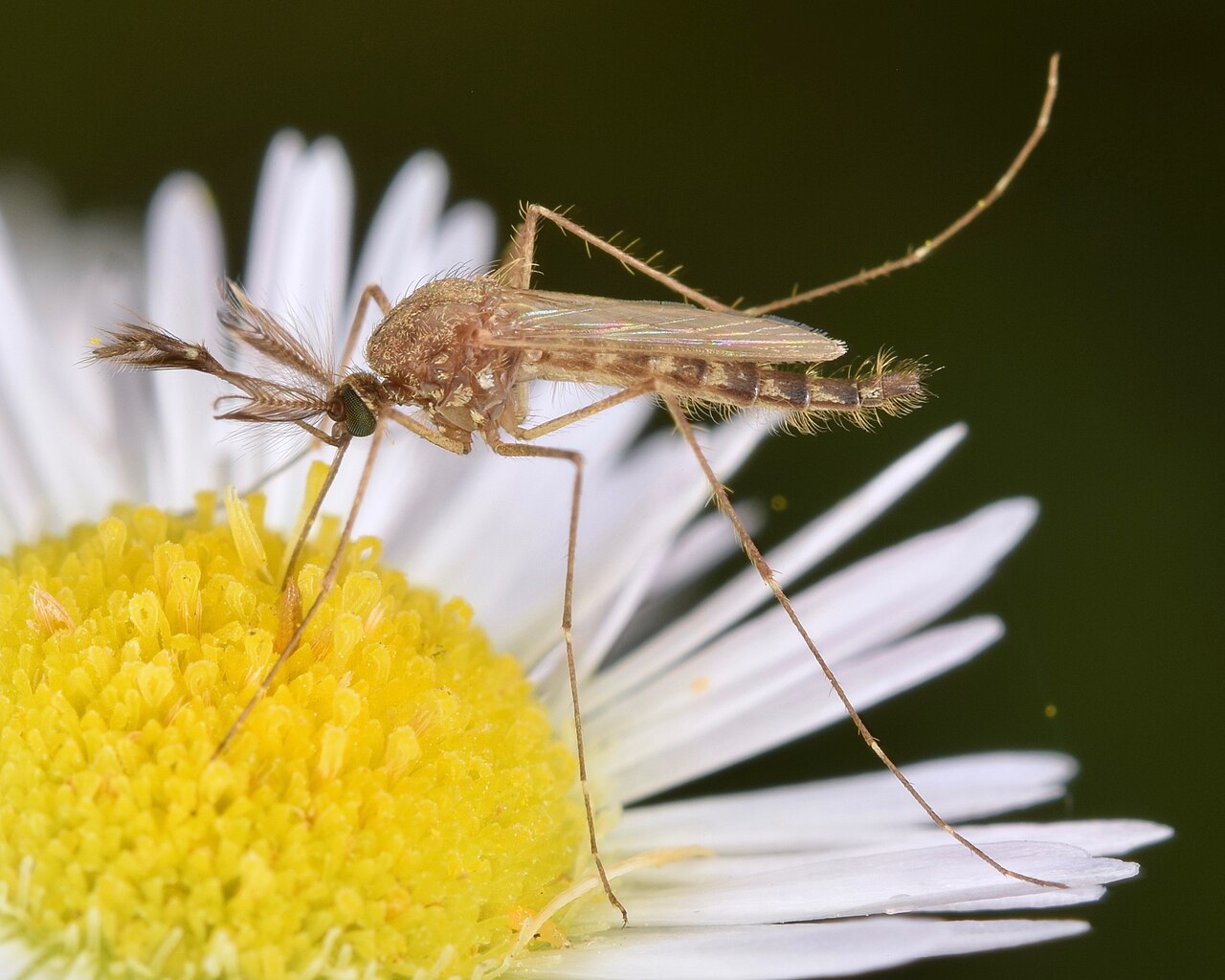
When the Ohio River rises in spring, and when summer thunderstorms flood the Wabash and Kentucky River bottomlands, Ae. vexans emerges in numbers that overwhelm any other species present. Western Kentucky's floodplain agriculture — corn and soybean fields that hold water in low spots — provides persistent larval habitat well into summer. Vexans is a strong flier; populations that hatch in river bottoms show up in Louisville neighborhoods miles away within days.
| City | Peak Season | Off-Season | Notes | |
|---|---|---|---|---|
| Louisville | Apr – Oct | Off Nov–Mar | Ohio River floodplain; Jefferson County WNV active most years; longest season in state | Check live |
| Lexington | May – Oct | Off Nov–Apr | Kentucky River tributaries; Bluegrass horse farm water features; EEE detected some years | Check live |
| Bowling Green | Apr – Oct | Off Nov–Mar | Barren River corridor; similar to Louisville pattern but lower WNV pressure | Check live |
| Owensboro | Apr – Oct | Off Nov–Mar | Ohio River; western KY; intense spring floodwater surges; Ae. albopictus active | Check live |
| Covington | Apr – Oct | Off Nov–Mar | Northern KY; part of Cincinnati metro; Ohio River; similar pressure to Louisville | Check live |