Is it mosquito season in Tennessee?
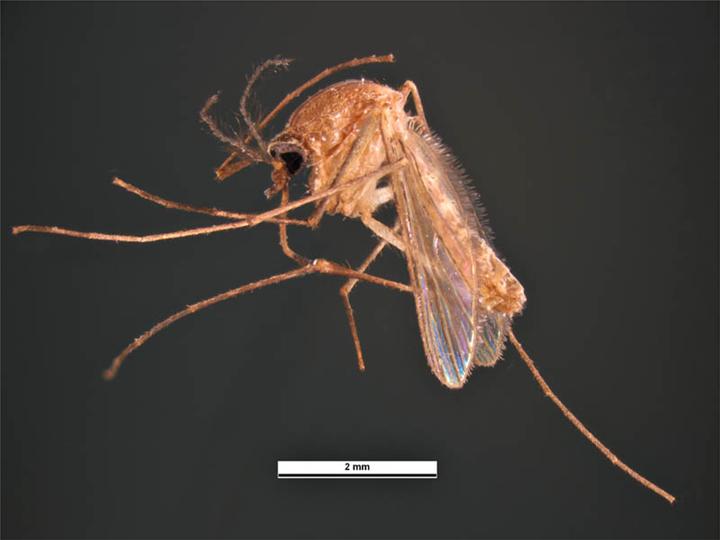
The southern house mosquito is Tennessee's dominant West Nile virus vector and the primary driver of WNV transmission in Memphis and the surrounding delta region. It breeds prolifically in warm, organically enriched water — storm drain pools, drainage ditches, and stagnant ponds. Active from dusk through dawn, peak abundance in July and August. Shelby County (Memphis) consistently records the highest statewide WNV case counts.

The Asian tiger mosquito has established itself in all 95 Tennessee counties — one of the most complete state infestations in the US. It is an aggressive daytime biter, most active in shaded suburban and woodland areas from mid-morning through late afternoon. Breeds in any small container holding water: tire swings, bird baths, pot saucers, clogged gutters. Active from late April through October across most of the state.

The inland floodwater mosquito thrives in Tennessee's river systems — the Cumberland, Tennessee, and Mississippi watersheds all generate large seasonal populations. Dormant eggs in floodplain soils hatch en masse after significant rainfall or river flooding events. Western Tennessee's flat, low-lying terrain is particularly productive; populations can surge from minimal to overwhelming in fewer than five days following a storm system moving up from the Gulf.
Memphis and the Mississippi River WNV corridor
Memphis occupies one of the highest-risk West Nile virus corridors in the United States. The Mississippi River's oxbow lakes, backwater sloughs, and low-lying floodplain create vast warm-water breeding habitat for Culex quinquefasciatus — the southern house mosquito and the primary WNV vector in the region. Shelby County regularly leads Tennessee in confirmed human WNV cases, with some years seeing case totals that exceed the combined count of the rest of the state. The Mississippi Delta mosquito season is also the longest in Tennessee, often running from late February through early November in warm years. Check TDOH West Nile surveillance →
Aedes albopictus in all 95 counties
Tennessee is one of a handful of US states where Aedes albopictus has been confirmed in every single county. The species arrived in the state through the used-tire trade in the late 1980s and has since colonized every habitat from urban Memphis and Nashville to rural mountain communities in Unicoi and Carter counties along the North Carolina border. Its aggressive daytime biting behavior sets it apart from the nocturnal Culex species — residents who repel themselves only at dusk still get bitten through the day. Any container that holds water for more than a week is a potential breeding site.
East Tennessee — Smoky Mountains and the Tennessee River valley
The Great Smoky Mountains and the Ridge and Valley terrain of East Tennessee create a cooler, slightly shorter season than the western part of the state — Knoxville and Chattanooga typically see their first significant pressure in April rather than March, and the season wraps in September. The Tennessee River system and its tributary valleys remain highly productive breeding habitat through the summer months. Chattanooga's position in a river valley between ridgelines means calm, humid summer nights with sustained Culex activity. Great Smoky Mountains National Park receives roughly 13 million visitors per year during the peak mosquito months of June through August — outdoor recreation in wooded areas carries real Ae. albopictus exposure during daylight hours.
| City | Season | Off-season | Notes | Live data |
|---|---|---|---|---|
| Nashville | Mar – Oct | Off Nov–Feb | Davidson County; Cumberland River corridor and Percy Priest Lake watershed amplify breeding habitat; Cx. quinquefasciatus and Ae. albopictus both abundant; urban heat island effect sustains pressure through October; WNV detected in Davidson County trap pools most summers; one of the longest seasons in Middle Tennessee | Check live |
| Memphis | Feb – Nov | Off Dec–Jan | Shelby County leads Tennessee in annual WNV case counts; Mississippi River oxbow lakes and backwater sloughs provide massive Cx. quinquefasciatus habitat; West Memphis metro is functionally continuous with the Arkansas Delta mosquito zone; Ae. vexans flood pulses regularly follow spring and summer thunderstorms; longest season in the state | Check live |
| Knoxville | Apr – Sep | Off Oct–Mar | Knox County; Tennessee River and Fort Loudoun Lake; elevation moderates early-season pressure compared to western TN; Ae. albopictus well established throughout Knoxville suburbs; proximity to Great Smoky Mountains — hikers and campers face daytime Ae. albopictus exposure in wooded areas; WNV detected in Knox County; peak July–August | Check live |
| Chattanooga | Apr – Oct | Off Nov–Mar | Hamilton County; Tennessee River valley with ridge and valley terrain that traps humid air — sustained nocturnal Culex conditions through summer; Chickamauga Lake backwaters productive breeding habitat; Ae. albopictus active in wooded neighborhoods through October; WNV present in local surveillance; Lookout Mountain and Signal Mountain elevations see slightly shorter season | Check live |
| Clarksville | Mar – Oct | Off Nov–Feb | Montgomery County; Cumberland River watershed; Fort Campbell military installation spans the TN-KY border and maintains its own vector surveillance program; Ae. albopictus and Cx. quinquefasciatus both present; river bottom terrain with Red River tributary creating additional floodwater habitat; season comparable to Nashville with earlier spring onset | Check live |
| Murfreesboro | Mar – Oct | Off Nov–Feb | Rutherford County; Stones River watershed; rapidly growing suburb south of Nashville with significant container breeding pressure as new residential development creates standing water in construction areas; Ae. albopictus and Cx. quinquefasciatus both common; season mirrors Nashville; Stones River floodplain terrain adjacent to suburban neighborhoods | Check live |
| Jackson | Mar – Oct | Off Nov–Feb | Madison County; West Tennessee — climatically closer to Memphis than Nashville; South Fork Forked Deer River watershed with extensive floodplain wetlands; Ae. vexans flood pulses common after heavy rainfall; Cx. quinquefasciatus active through summer; Ae. albopictus well established in residential areas; WNV detected in West Tennessee corridor including Madison County | Check live |