Is it mosquito season in Wisconsin?
Wisconsin sits at the intersection of the Great Lakes, the Mississippi River flyway, and thousands of glacially carved wetlands — ideal conditions for mosquito populations that are short-season but extremely dense. The combination of spring snowmelt, warm humid summers, and abundant standing water drives one of the Midwest's most intense peak seasons.
Milwaukee and the Lake Michigan shore
Milwaukee and the southeastern counties experience intense pressure from the Menomonee, Milwaukee, and Root River corridors. Lake Michigan moderates temperatures slightly, producing a June–September peak that is somewhat later to start than inland areas but extends well into September. Urban populations of Cx. pipiens are dense throughout the metro.
Madison and the Driftless Area
Madison sits between two lakes (Mendota and Monona) and experiences above-average pressure for its size. The Yahara River chain and the surrounding Driftless Area wetlands sustain populations through the season. La Crosse, on the Mississippi River, sees significant floodwater species surges after high-water events on the Upper Mississippi.
Northern Wisconsin and the Door Peninsula
The northwoods region and Door Peninsula experience some of the state's most intense short-season pressure in June and early July, driven by bog and wetland habitat. EEE has been detected in northern Wisconsin in some years — the same Great Lakes wetland corridor that affects Michigan and Minnesota.
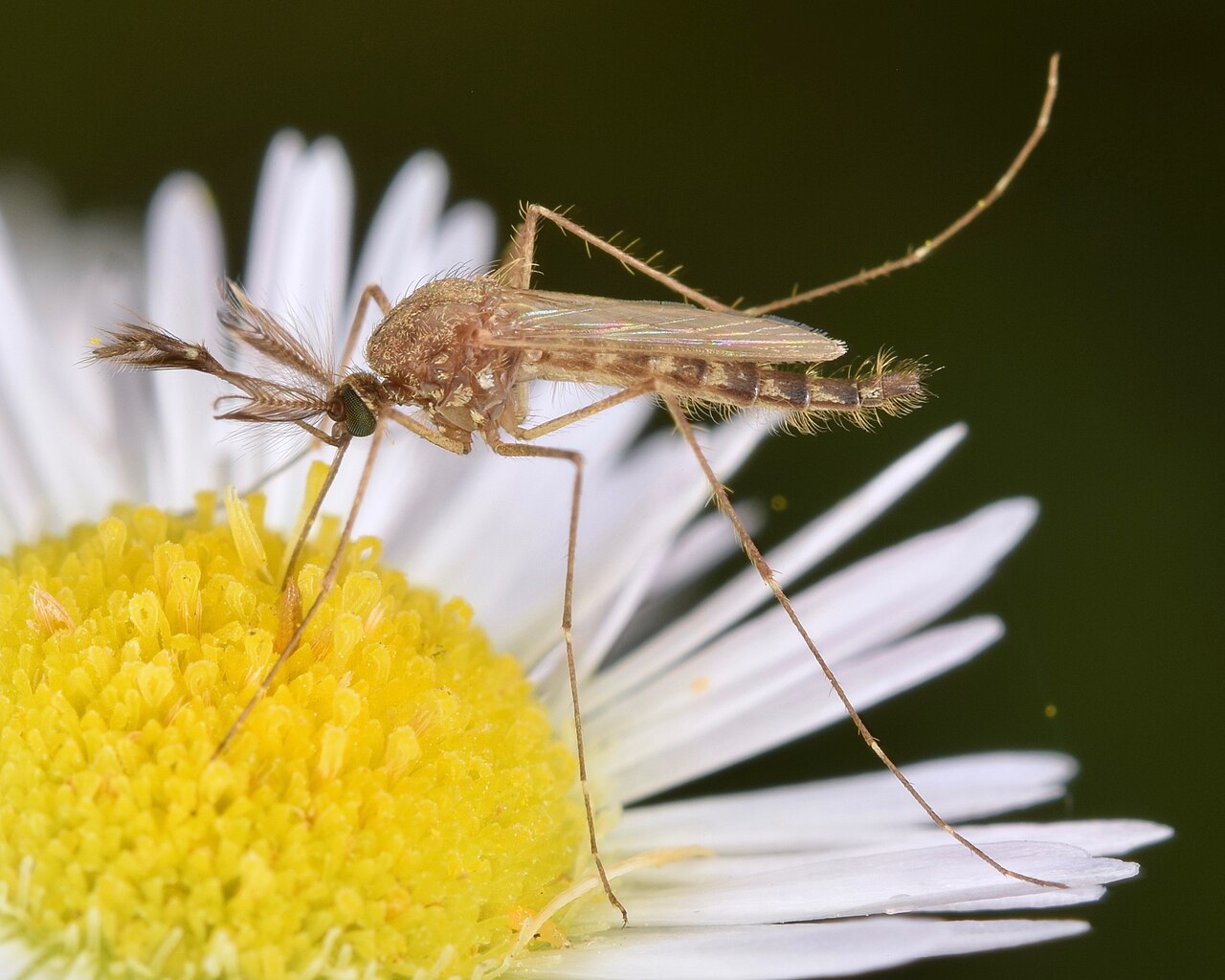
The dominant nuisance species in Wisconsin. Hatches explosively from floodplain soils after snowmelt and summer rains. Responsible for the intense early-June surges that most Wisconsin residents know well — particularly along the Mississippi, Wisconsin, and Fox River corridors.
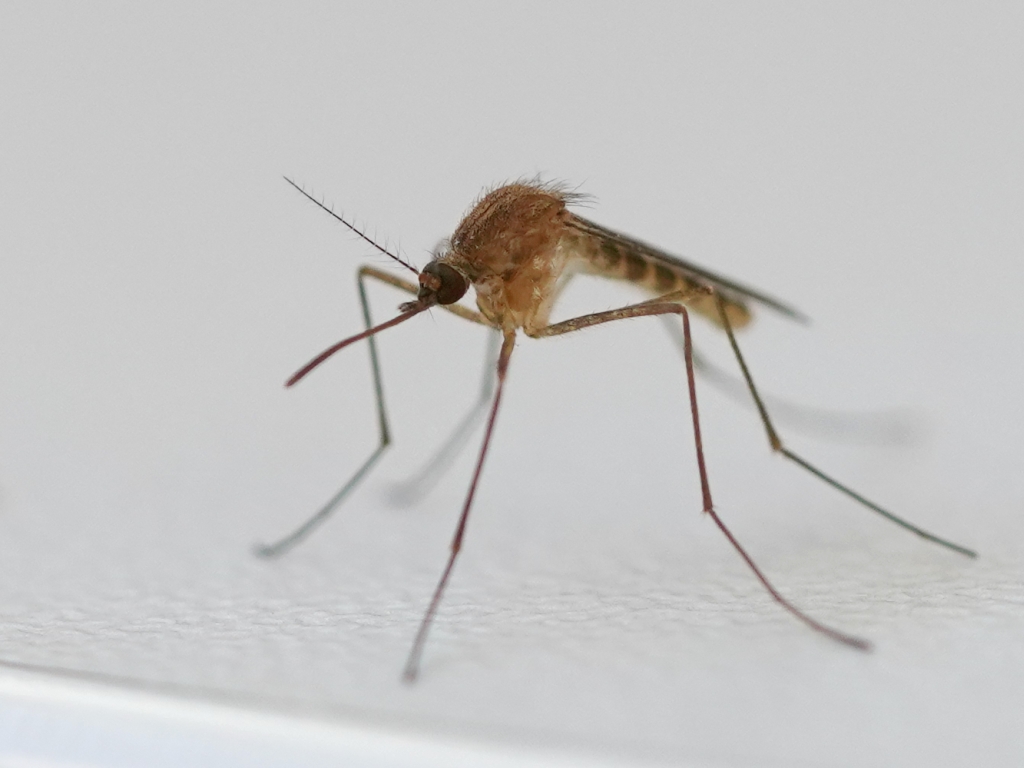
The primary West Nile Virus vector in Wisconsin's urban and suburban areas. Breeds in stagnant water in gutters, catch basins, and urban drainage. WNV is detected annually in Wisconsin; Milwaukee, Dane, and Waukesha counties have the highest case counts most years.
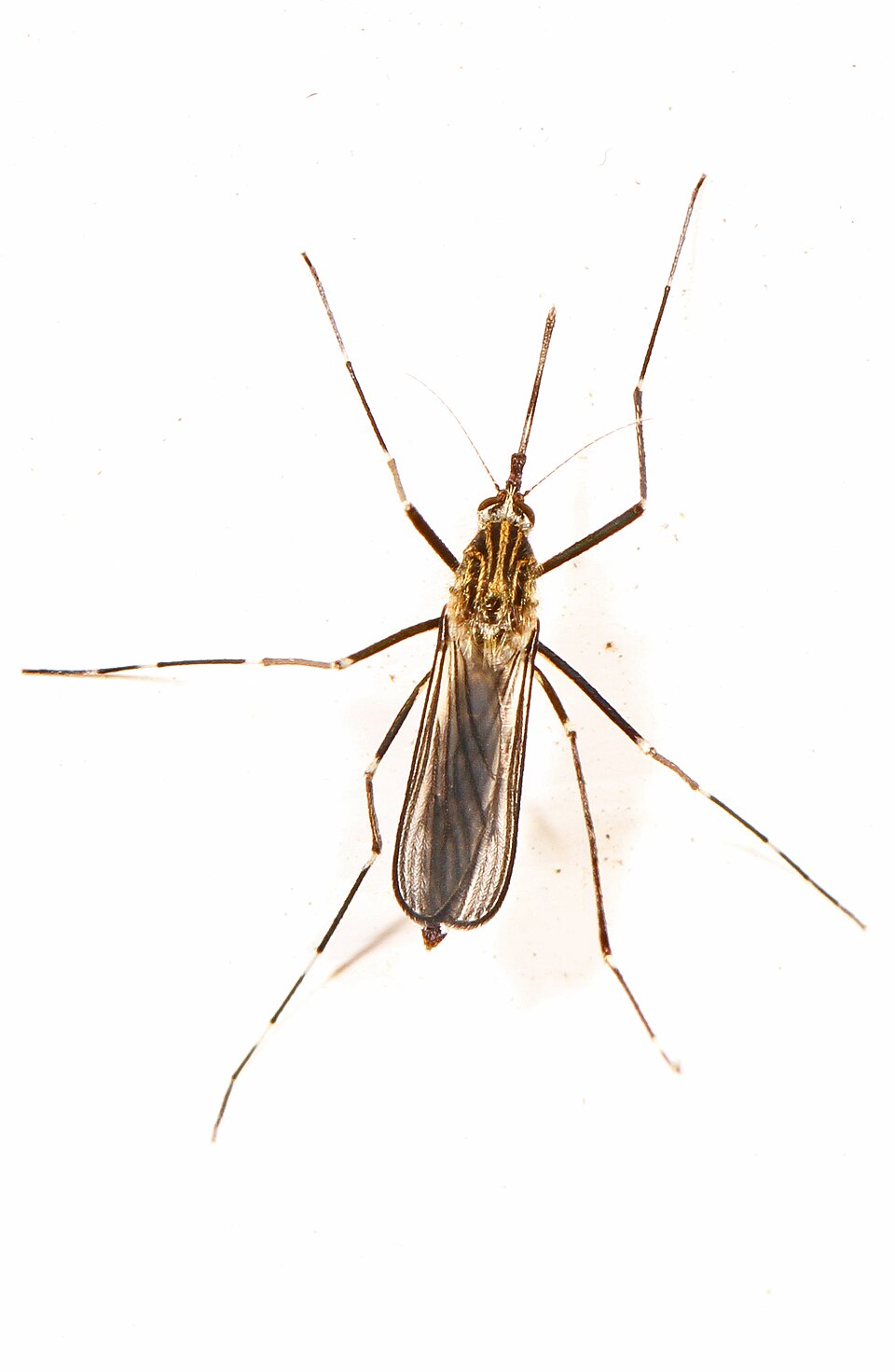
The primary vector of La Crosse encephalitis in Wisconsin. Breeds in water-filled treeholes and artificial containers in wooded areas. Wisconsin is among the top states for La Crosse virus cases nationally — children in forested areas of the state are at highest risk.
| City | Peak Season | Off-Season | Notes | |
|---|---|---|---|---|
| Milwaukee | Jun – Sep | Off Oct–May | Three river corridors; dense Cx. pipiens urban populations; consistent WNV activity | Check live |
| Madison | Jun – Sep | Off Oct–May | Lakes Mendota and Monona shoreline; Yahara chain wetlands; above-average pressure for city size | Check live |
| Green Bay | Jun – Sep | Off Oct–May | Fox River and Green Bay shoreline; significant floodwater surges after spring rains | Check live |
| La Crosse | May – Sep | Off Oct–Apr | Upper Mississippi River floodplain; one of Wisconsin's earliest and most intense floodwater zones | Check live |
| Appleton | Jun – Sep | Off Oct–May | Fox River wetlands; lake country proximity; Lake Winnebago shoreline habitat | Check live |