Is it mosquito season in California?
California spans more climate zones than almost any other US state, and its mosquito season reflects that range — from near-year-round activity in coastal San Diego to a compressed June-to-August window in the Sierra Nevada foothills.
The Central Valley: California's Mosquito Hotspot
Sacramento, Fresno, Bakersfield, and the agricultural corridor between them form the most active West Nile Virus zone in the state — and among the most active in the entire continental US. Irrigated fields, rice paddies, and drainage canals provide relentless breeding habitat, while the Central Valley's extreme summer heat (routinely above 100°F) accelerates larval development. Culex tarsalis, the primary WNV vector west of the Rocky Mountains, thrives here from May through October. Sacramento and Fresno counties have ranked among the top West Nile burden counties nationally in multiple recent years.
Southern California and the Invasive Species Problem
Los Angeles and San Diego have a milder coastal season, but inland valleys — San Bernardino, Riverside, and the San Fernando Valley — amplify summer activity significantly. The more critical development: invasive Aedes aegypti has been established in Los Angeles, San Diego, Orange, Fresno, and surrounding counties since first detected in 2013, and continues to spread. Unlike native Culex species, Ae. aegypti bites aggressively during daylight hours and is capable of transmitting dengue, Zika, and chikungunya. Standard dusk-only protection is insufficient anywhere this species is established.
Bay Area and Northern California
San Francisco's coastal fog keeps temperatures moderate, making it one of the lower-risk major metros in the state. The South Bay (San Jose, Fremont) and East Bay (Oakland, Concord) see more meaningful activity — particularly in marshy areas along the Bay shoreline and creek corridors. Season typically runs May through September. Northern California and the Sierra Nevada foothills follow a compressed June-to-August pattern driven by snowmelt and warming temperatures at elevation.
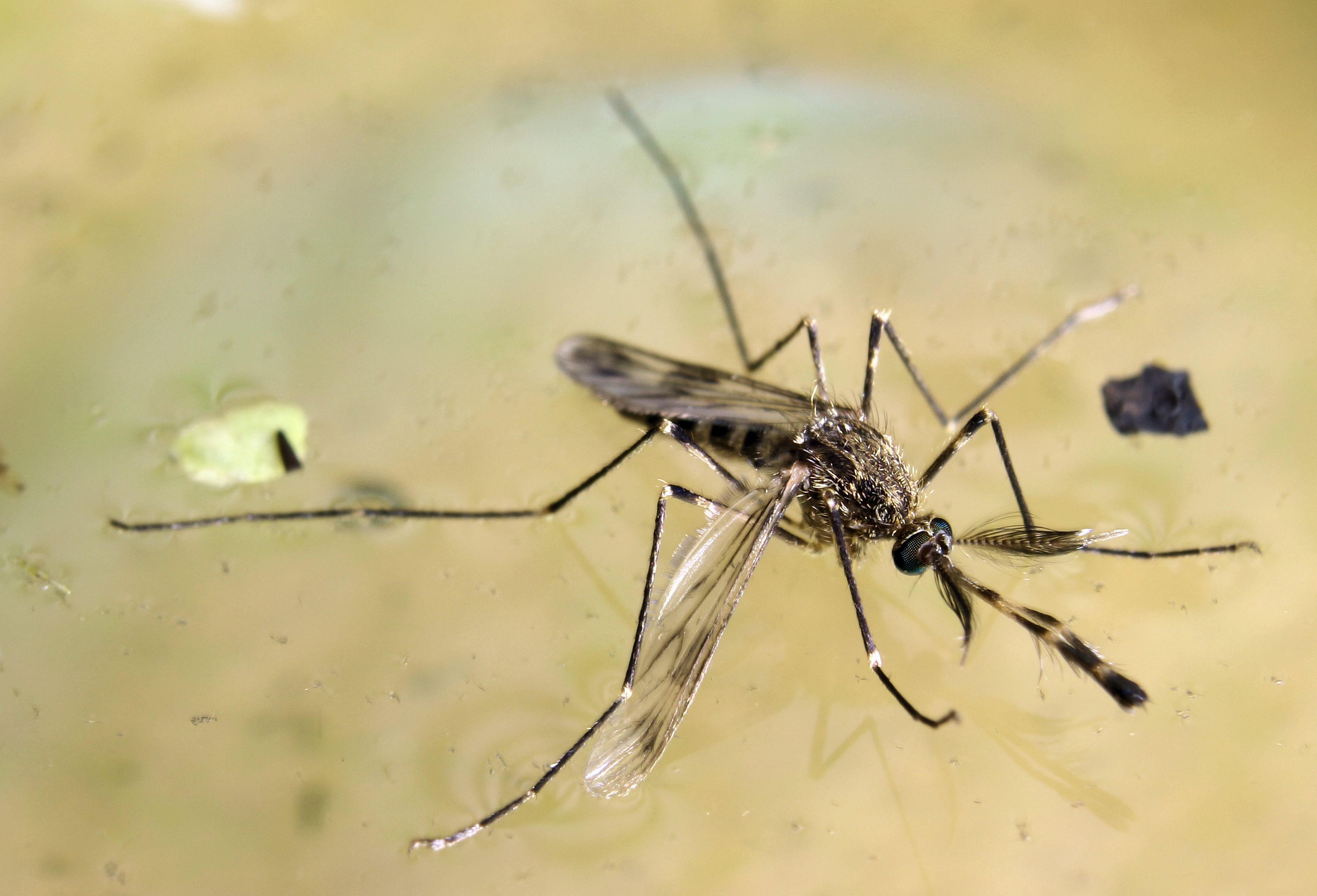
The dominant West Nile Virus vector west of the Rocky Mountains. Bridges between bird and human hosts most aggressively at dusk and dawn. Thrives in California's irrigated Central Valley — Sacramento, Fresno, and Kings counties are historically among the highest WNV-burden counties in the US. Active May through October; population crashes below 50°F.
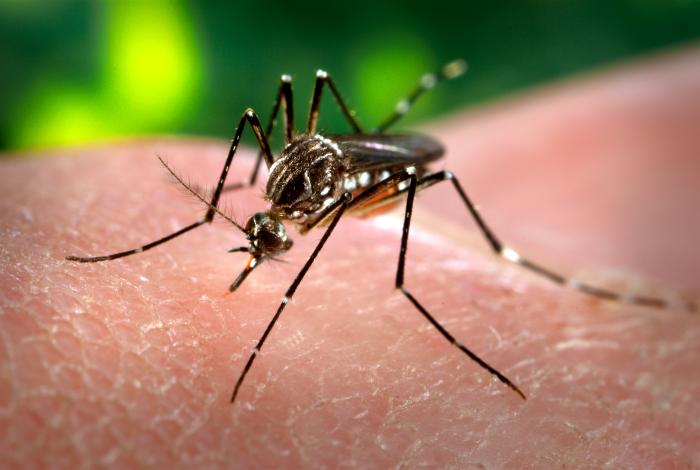
First detected in California in 2013, now established in over 20 counties. A daytime biter capable of transmitting dengue, Zika, and chikungunya. Concentrated in Los Angeles, San Diego, Orange, Fresno, and Riverside counties. Unlike native Culex, it bites throughout the day — standard dusk-only precautions are not sufficient.
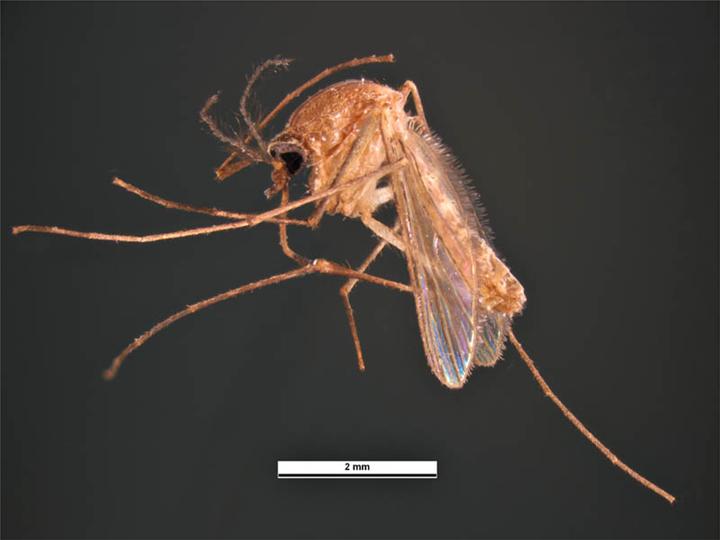
A secondary West Nile Virus vector established in urban Southern California. Bites at dusk and dawn, breeding in stagnant water — neglected pools, birdbaths, and storm drains. Most prevalent in the LA basin and Inland Empire, where mild winters allow populations to persist at low levels year-round.
Invasive Aedes aegypti bites during the day. If you're in Los Angeles, San Diego, or Fresno, applying repellent only at dusk leaves a significant exposure window open during warm months. Check your local CDPH Mosquito-Borne Disease page for current invasive species distribution in your county.
| City | Peak Season | Off-Season | Notes | |
|---|---|---|---|---|
| Los Angeles | Mar – Nov | Low (rarely zero) | Coastal urban; Ae. aegypti established in multiple neighborhoods — daytime bites possible spring through fall | Check live |
| San Diego | Feb – Nov | Very low | Longest season in the state; mild winters allow year-round low-level activity; invasive Ae. aegypti well established | Check live |
| Sacramento | May – Oct | Minimal | Highest West Nile Virus burden of any CA metro; rice fields and river delta sustain Culex tarsalis through peak summer | Check live |
| Fresno | May – Oct | Minimal | Central Valley heat drives intense July–August peak; both Culex tarsalis (WNV) and invasive Ae. aegypti present | Check live |
| San Francisco | May – Sep | Very low | Coastal fog suppresses activity significantly; South Bay and East Bay see noticeably more pressure than the city itself | Check live |
| San Jose | May – Sep | Low | Bay shoreline marshes and creek corridors sustain local populations; generally milder than Central Valley | Check live |
| Bakersfield | May – Oct | Minimal | Kern County agriculture and drainage canals; Culex tarsalis dominant; extreme summer heat pushes peak activity to dawn and dusk | Check live |