Is it mosquito season in Pennsylvania?
Pennsylvania mosquitoes build through May, peak in July and August, and taper through September. The state straddles two distinct risk zones — the dense Philadelphia metro where Culex pipiens drives West Nile activity, and rural western and central counties where Eastern equine encephalitis is detected in surveillance traps most seasons.
Chart reflects Philadelphia / SE Pennsylvania baseline. Mountain counties (Centre, Clearfield, Potter) typically have a shorter season — starting 2 weeks later and ending 2–3 weeks earlier — with lower overall peak.
Philadelphia and the Delaware Valley: West Nile country
The Philadelphia metro — spanning Philadelphia, Montgomery, Bucks, Delaware, and Chester counties — is the densest Culex pipiens habitat in the state. Storm drains, catch basins, and container water across dense suburban and urban landscapes support enormous breeding populations. The Pennsylvania Department of Environmental Protection (DEP) and county vector control programs run surveillance from May through October; in high-activity years, aerial spray programs are activated in heavily impacted townships. WNV is detected in mosquito pools in the Philadelphia region annually.
Eastern equine encephalitis in the rural counties
EEE is a more serious concern west and north of the Appalachian ridges. The disease is rare in humans but has a fatality rate above 30% and can cause permanent neurological damage in survivors. Pennsylvania DEP surveillance has detected EEE in mosquito pools in rural counties — particularly in areas with forested wetlands and swamps where the primary vector, Culiseta melanura, breeds in tree holes and soil cavities. EEE-positive pools are reported most seasons in counties including Clinton, Centre, and Clearfield. When EEE activity is elevated, the state recommends avoiding outdoor activities around dawn and dusk, especially near wooded wetland areas.
The floodwater factor along the Susquehanna
Aedes vexans, the inland floodwater mosquito, is the most abundant species in rural and suburban Pennsylvania and responsible for most of the nuisance biting following heavy rain events. The Susquehanna, Delaware, and Lehigh river corridors support large floodwater populations that can spike dramatically within 5–7 days of flooding. After significant summer storms, residents throughout central and eastern Pennsylvania should expect elevated outdoor biting activity.
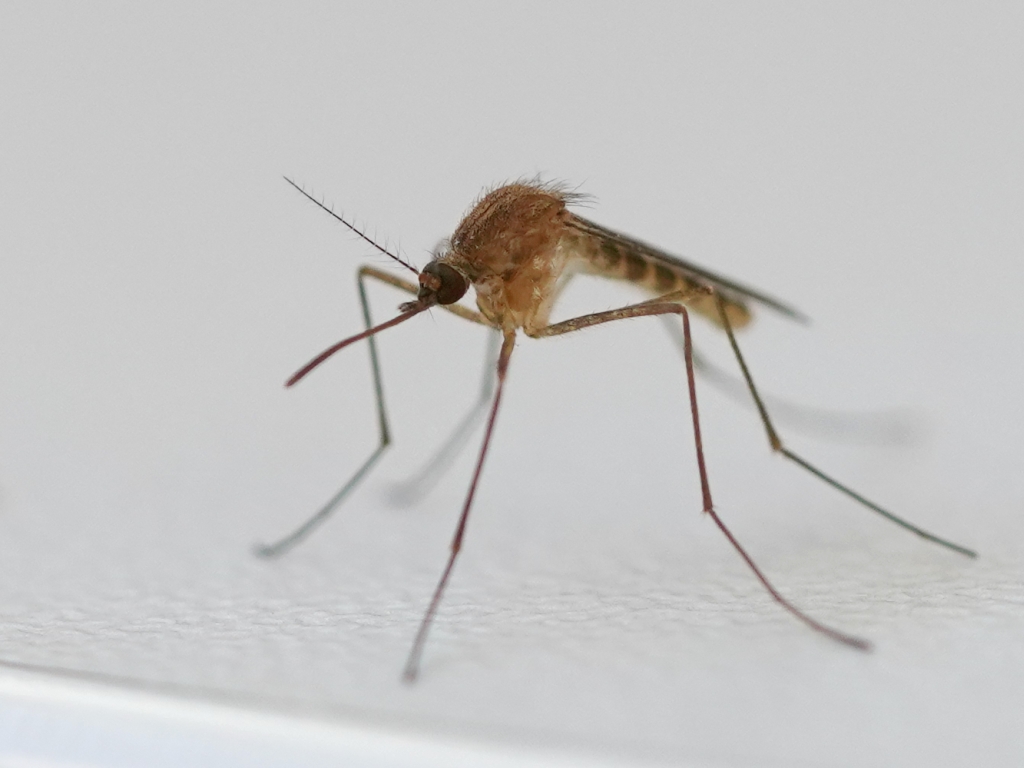
The dominant mosquito across the Philadelphia metro and other urban/suburban areas. Breeds in stagnant water — storm drains, catch basins, birdbaths, and neglected containers. Feeds primarily at dusk and overnight, preferring birds but shifting to humans in late summer. The primary WNV vector statewide; DEP monitors trap counts weekly from Philadelphia to Allegheny County as an early-warning system. Eliminating standing water in your yard reduces local populations measurably.
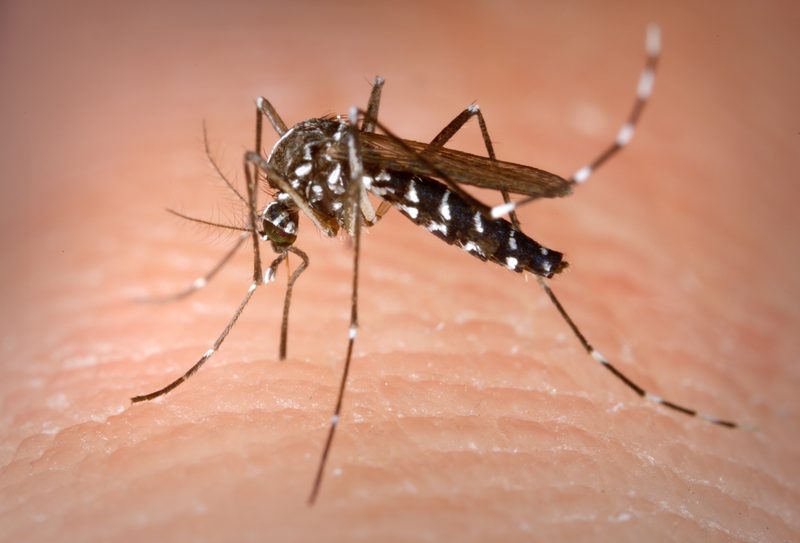
Well established across southeastern Pennsylvania and continuing to expand northward and westward. Visually distinctive: black with bold white stripes, smaller than Culex. A daytime biter — most aggressive in the morning and late afternoon — making it the species responsible for most of the daylight nuisance biting in Philadelphia, Pittsburgh, and their suburbs. Breeds in tiny volumes of water: bottle caps, saucers, rain gutters, any container larger than a teaspoon. The single most effective control: eliminate all standing water weekly.
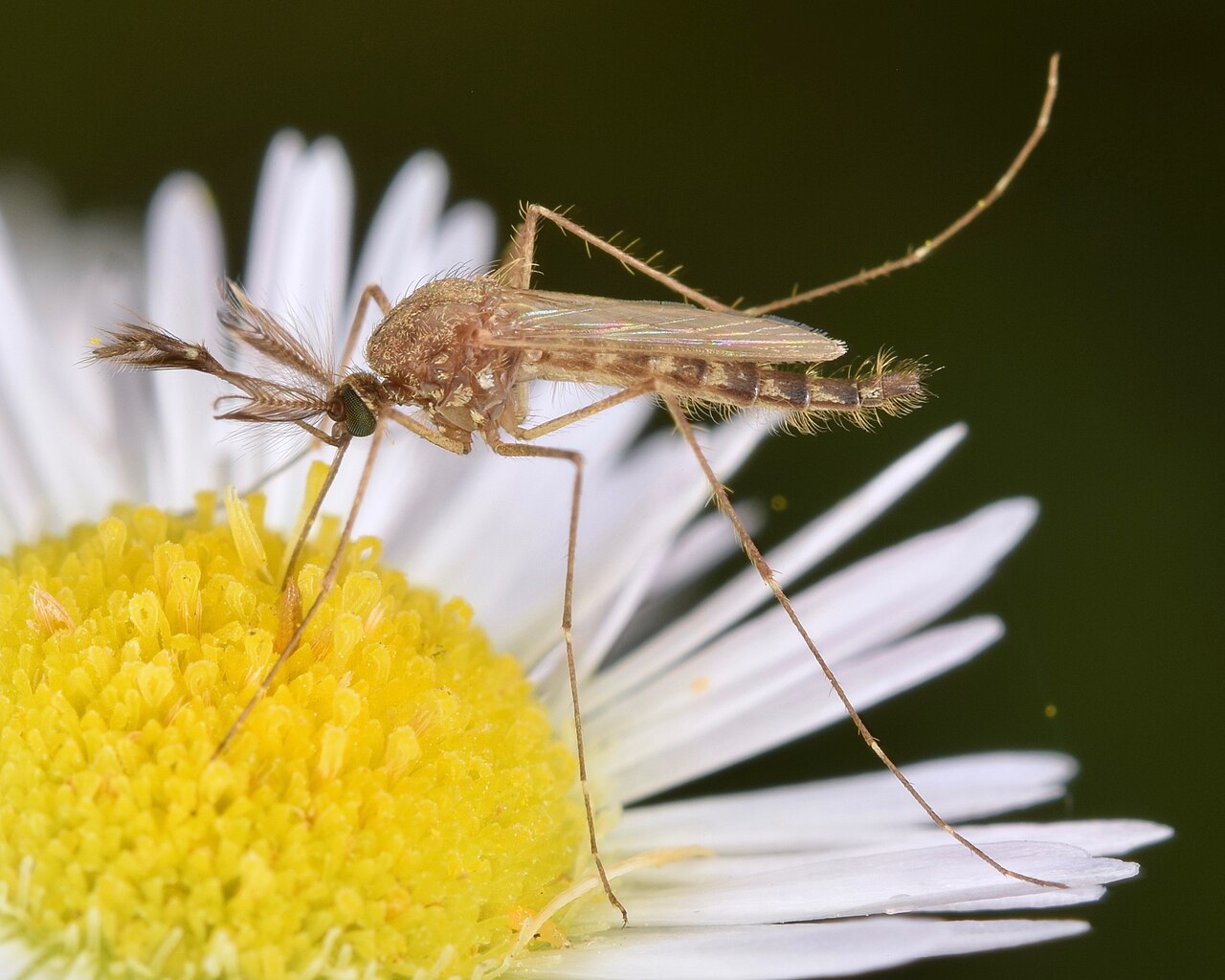
The most abundant mosquito in rural Pennsylvania and a significant nuisance across the state after rainfall. Eggs survive dry conditions in low-lying soil for years, hatching in massive numbers when flooded. Unlike Culex, it bites aggressively during daylight. Populations along the Susquehanna, Delaware, and Lehigh river corridors can explode within 5–7 days of a significant storm. Not a primary disease vector, but responsible for most of the miserable post-storm outdoor biting across central and eastern PA.
EEE is detected in Pennsylvania surveillance traps most seasons. While human cases are rare, the fatality rate exceeds 30%. When your county issues an EEE advisory — particularly in rural western and central PA — take dusk/dawn precautions seriously. Check current PA DEP mosquito surveillance reports →
| City | Active Season | Off-Season | Notes | Live data |
|---|---|---|---|---|
| Philadelphia | May – Sep | Near-zero Oct–Apr | Largest WNV surveillance program in the state; dense Culex pipiens and established Ae. albopictus populations; Fairmount Park and Wissahickon Creek corridor create significant breeding habitat; county vector control operates year-round trap monitoring | Check live |
| Pittsburgh | May – Sep | Off Oct–Apr | Three rivers confluence creates extensive floodwater habitat; Ae. vexans spikes significantly after heavy rain; Ae. albopictus expanding but less dense than Philadelphia; Allegheny County mosquito control runs active larviciding program | Check live |
| Harrisburg | May – Sep | Off Oct–Apr | Susquehanna River floodplain drives floodwater mosquito spikes; state capital — DEP surveillance data is benchmarked here; WNV detected in Dauphin County traps regularly; Culex pipiens and Ae. albopictus both present | Check live |
| Allentown | May – Sep | Off Oct–Apr | Lehigh Valley — river corridor habitat; Ae. albopictus well established in suburban neighborhoods; Lehigh River floodplain amplifies Ae. vexans numbers after storms; urban density favors container breeders | Check live |
| Erie | Jun – Aug | Off Sep–May | Shortest season in PA — Great Lakes influence moderates temperatures; Lake Erie shoreline wetlands provide spring breeding habitat; season peaks hard in July but is over by early September; Ae. albopictus present but less established than southern PA | Check live |
| Reading | May – Sep | Off Oct–Apr | Schuylkill River corridor; similar profile to Allentown; Berks County has active vector control program; Ae. albopictus and Culex pipiens dominant in residential areas; floodwater species spike after summer thunderstorms | Check live |
| Scranton | Jun – Sep | Off Oct–May | Higher elevation and latitude — season runs slightly shorter than Philadelphia; Lackawanna River corridor; WNV detected in Lackawanna County but human case rate historically lower than Philadelphia metro; Ae. albopictus present but expanding margin | Check live |