Is it mosquito season in Hawaii?
Hawaii has no native mosquitoes — every species arrived with European contact and subsequent trade. But the introduced species are consequential: Aedes aegypti and Aedes albopictus are established statewide and active year-round at lower elevations. The Big Island's 2015 dengue outbreak — the first local transmission in Hawaii in 70 years — underscored that tropical disease risk is not theoretical here.
Low elevation: year-round pressure
Sea-level communities on all islands — Honolulu, Hilo, Kona, Lahaina — experience continuous mosquito activity driven by warm temperatures and abundant rainfall on windward coasts. Aedes albopictus is the dominant species and bites aggressively during daylight hours, breeding in anything that holds water: coconut shells, bromeliads, clogged drains.
The Big Island: highest risk
The Big Island combines the widest range of elevations and microclimates with the state's most recent dengue outbreak. The Puna and Hilo districts on the rainy windward side support exceptionally dense Aedes populations year-round. The 2015 outbreak originated in this area and spread through contact with infected travelers. Avian malaria transmitted by Culex quinquefasciatus is also devastating native Hawaiian bird populations in mid-elevation forests.
Elevation as the escape valve
Above approximately 1,500–2,000 feet, temperatures drop enough to significantly suppress mosquito activity. Upcountry Maui (Kula), the higher slopes of Haleakala, and Volcano Village on the Big Island are substantially cooler and drier — and far less affected. Many residents seek higher ground precisely for this reason.
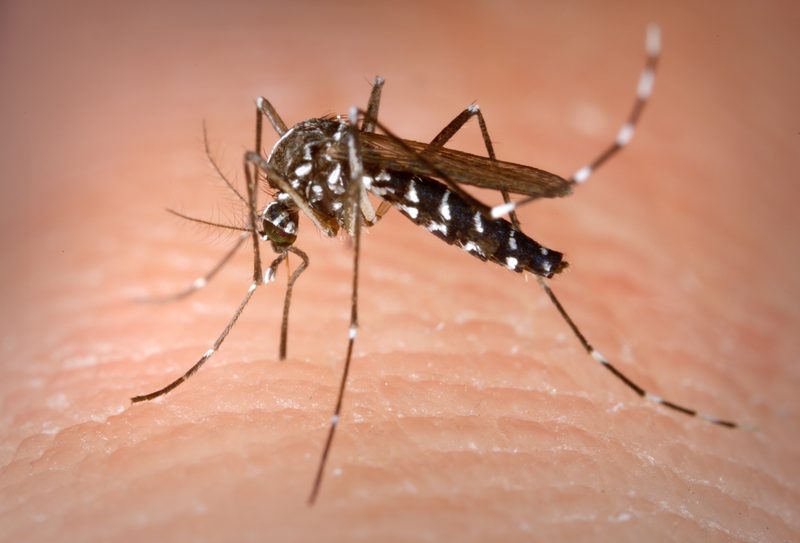
Hawaii has no native mosquito species — every biting mosquito on the islands arrived by ship or plane over the past two centuries. Aedes albopictus, the tiger mosquito, is now the most widespread, present on all major islands year-round at sea level after introduction in the 1800s. It breeds in taro field water, ornamental bromeliads, and any container holding fresh water — a flexible breeder perfectly suited to the islands' humid climate.
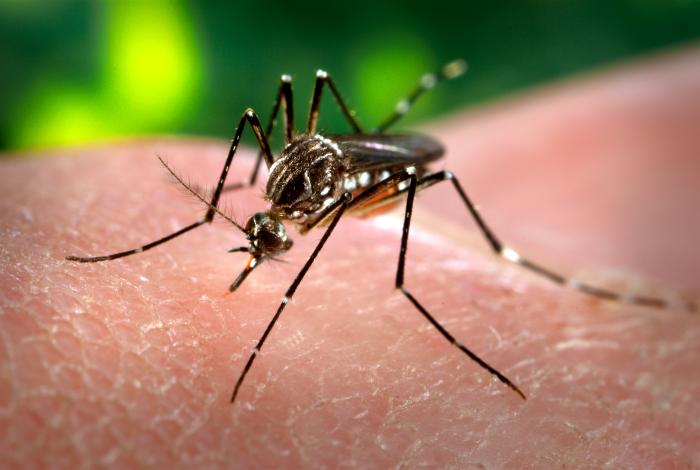
Established on the Big Island and parts of Oahu, Ae. aegypti was the vector behind Hawaii's 2015 dengue outbreak — 264 confirmed cases, the largest in the state in decades. It prefers human blood above other hosts, bites exclusively during the day, and breeds almost entirely in artificial containers near homes. Where it overlaps with albopictus, aegypti is generally the more medically significant species.
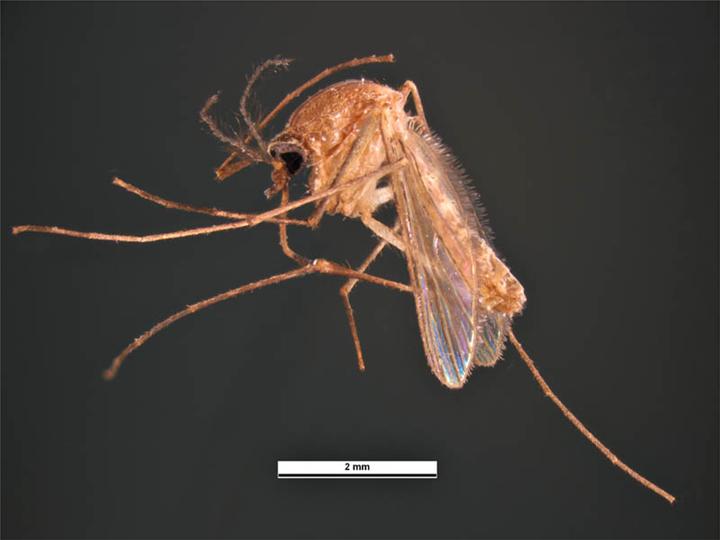
The least visible but most ecologically damaging mosquito in Hawaii. Culex quinquefasciatus is the primary vector of avian malaria and avian pox — introduced diseases that have driven endemic Hawaiian honeycreepers to extinction at low elevations. It breeds in standing water, slow streams, and sewage effluent; active at dusk and dawn. Disease risk to humans is secondary to its catastrophic ongoing effect on native bird populations.
| City | Peak Season | Off-Season | Notes | |
|---|---|---|---|---|
| Honolulu | Year-round | No true off-season | Urban storm drains and containers; moderate pressure; windward side worse than leeward | Check live |
| Hilo | Year-round | No true off-season | High rainfall windward Big Island; very high Ae. albopictus density; dengue risk area | Check live |
| Kona | Year-round | Lighter Jan–Feb | Drier leeward coast; lower pressure than Hilo but Ae. aegypti present | Check live |
| Kailua | Year-round | Lighter Jan–Feb | Windward Oahu; higher rainfall than Honolulu; above-average suburban pressure | Check live |
| Kahului | Year-round | Lighter Dec–Feb | Central Maui; drier than windward side; moderate year-round activity | Check live |