Is it mosquito season in Connecticut?
Connecticut punches above its weight for mosquito risk. Wedged between Long Island Sound and a network of river valleys and wetlands, the state deals with both West Nile Virus and Eastern Equine Encephalitis annually. EEE, while rare, is one of the most lethal mosquito-borne diseases in North America, and Connecticut sits squarely in its Northeast corridor.
The Connecticut River valley: WNV highway
The Connecticut River and its tributaries create the state's primary mosquito corridor, running north from Old Saybrook through Hartford to the Massachusetts border. Culex pipiens thrives in the warm, slow-moving water and urban storm drain systems along this corridor. Hartford and Middlesex counties consistently record the state's highest West Nile Virus case totals.
Coastal marshes: salt marsh species and shore pressure
The shoreline communities from Stamford to Old Lyme sit adjacent to tidal salt marshes that harbor Ochlerotatus sollicitans — the aggressive salt marsh mosquito — alongside Culex species. Fairfield County experiences some of the highest residential pressure in the state during July and August, driven by a combination of coastal species and suburban breeding habitat.
The EEE belt: inland freshwater wetlands
Eastern Equine Encephalitis circulates in Connecticut's freshwater swamp complexes, primarily in Tolland, Windham, and New London counties. The culiseta melanura vector breeds in acidic swamp pools and bridges the virus from birds to humans via bridge vector species. While EEE human cases are rare, the case fatality rate exceeds 30%, making it the state's highest-consequence mosquito risk.
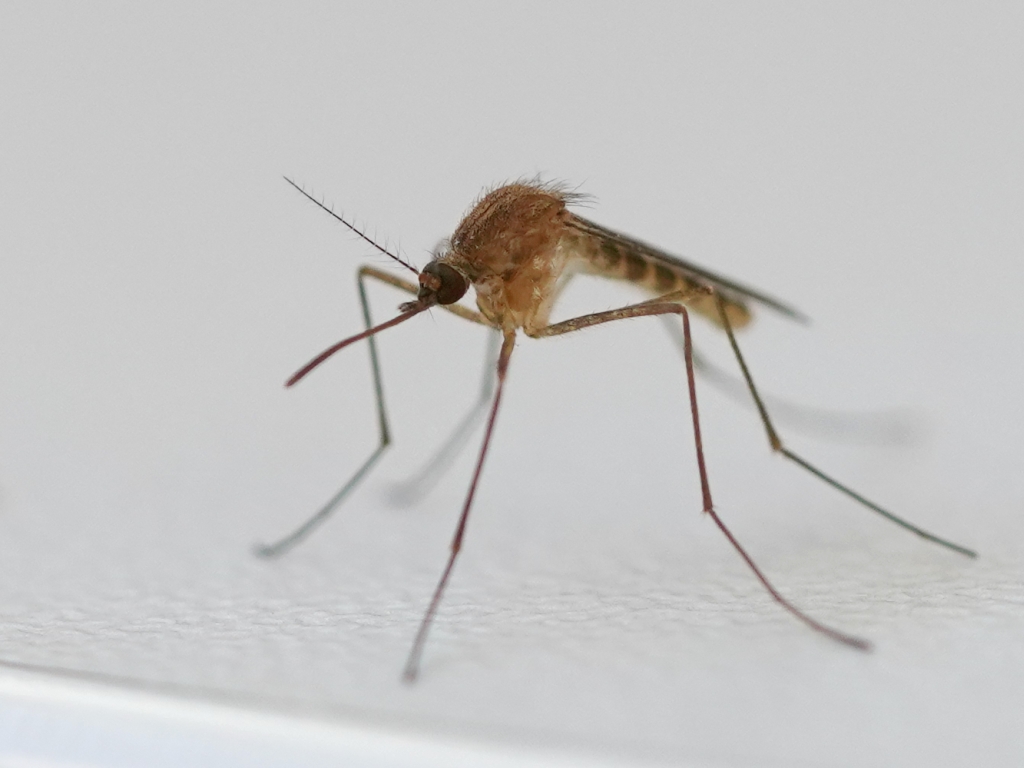
The engine of Connecticut's annual WNV season, operating in every county. Culex pipiens breeds in the catch basins and stagnant water of Connecticut's dense suburban storm drain infrastructure — one of the oldest and most built-over in the Northeast. Hartford and New Haven counties record the highest WNV case totals most years, with the Connecticut River's slow urban reaches and the Quinnipiac River watershed providing supplementary breeding habitat beyond the storm drains. Bites dusk to dawn from July through September, most active within a few hundred meters of its breeding sites.
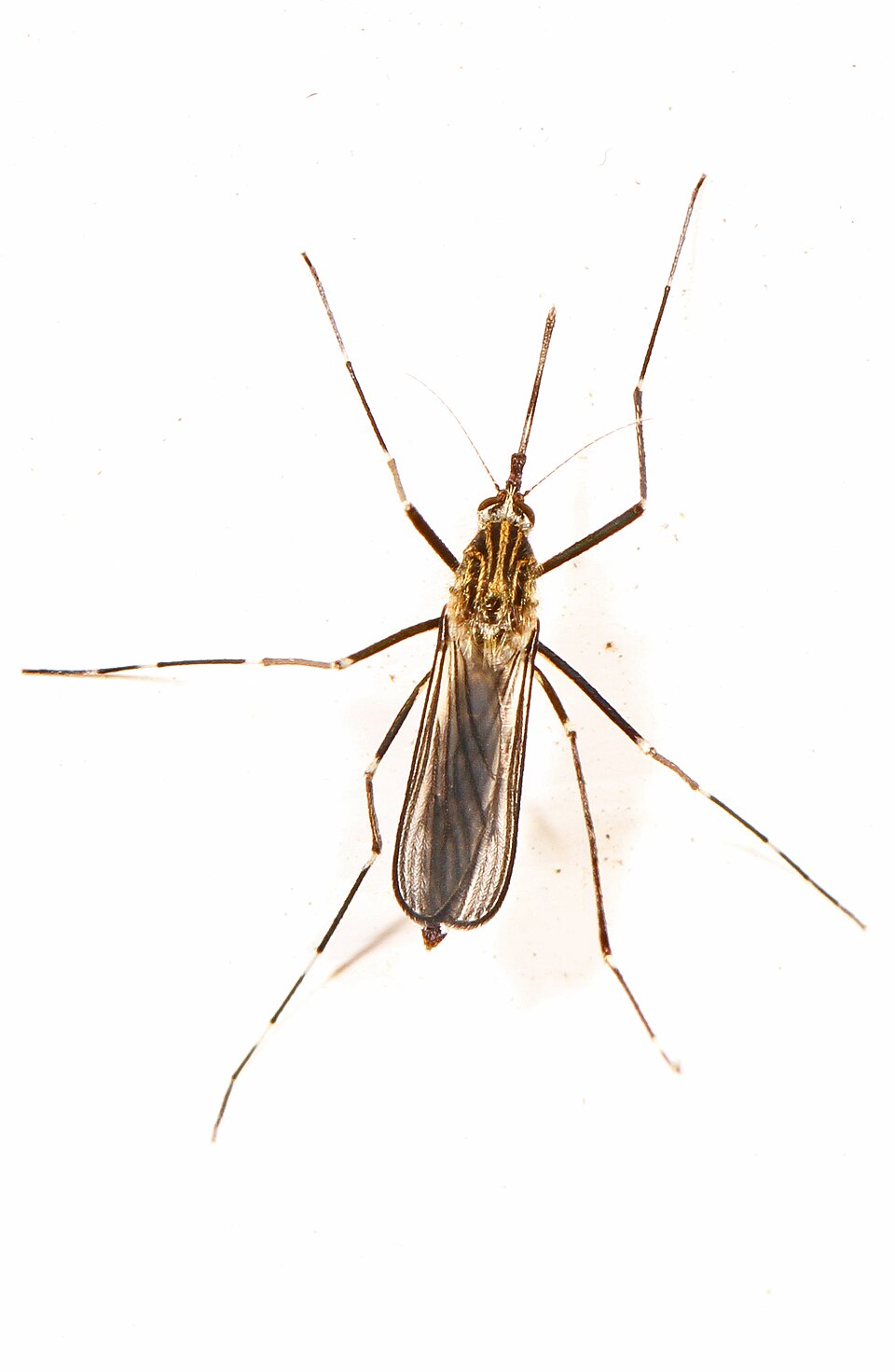
Connecticut's key EEE bridge vector, and the reason the state's forested suburban towns — Glastonbury, Colchester, Griswold — carry higher disease risk than their comfortable appearance suggests. Aedes japonicus breeds in water-filled tree cavities and rock pools throughout Connecticut's deciduous woodland, connecting EEE from its bird reservoir to humans in exactly the habitat where people hike, garden, and let children play. The Tolland and Windham county swamp complexes are the highest-risk zone. Unlike Culex pipiens, it bites in daylight — making standard dusk repellent habits insufficient.
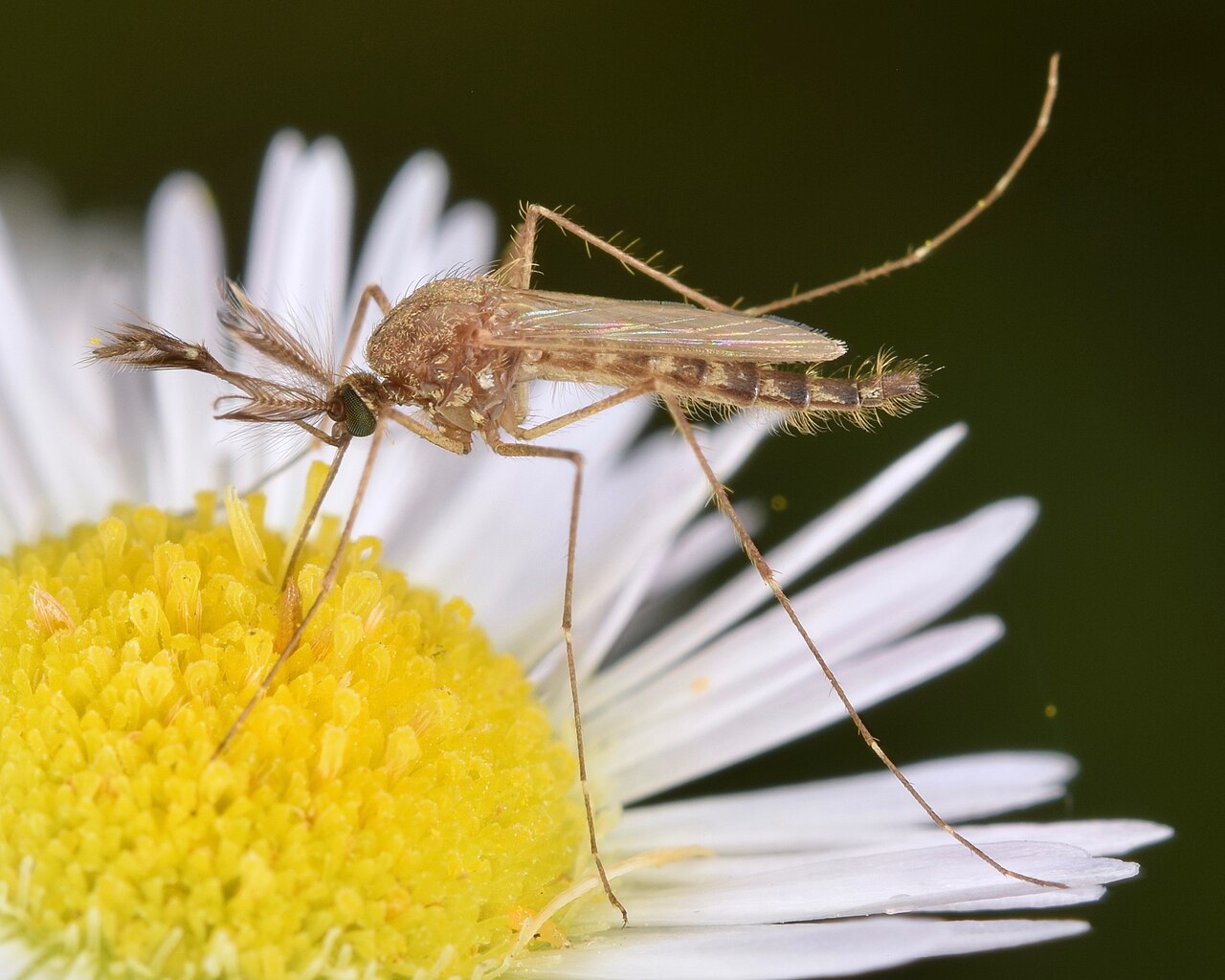
Responsible for Connecticut's most noticeable biting events — the overnight transformation from tolerable to miserable following a Housatonic or Connecticut River flooding event. Aedes vexans eggs in the floodplain soils along both river corridors can sit dormant for years before a triggering flood event hatches them simultaneously. The resulting surge typically peaks within 7–10 days and drives the state's highest nuisance complaints of the season, before natural mortality and drying conditions collapse the population.
| City | Peak Season | Off-Season | Notes | |
|---|---|---|---|---|
| Hartford | May – Oct | Off Nov–Apr | Connecticut River corridor; highest WNV case counts statewide most years | Check live |
| New Haven | May – Oct | Off Nov–Apr | Mill River and West River wetlands; Long Island Sound tidal influence | Check live |
| Bridgeport | May – Oct | Off Nov–Apr | Coastal marshes; Housatonic River; Fairfield County salt marsh pressure | Check live |
| Stamford | May – Oct | Off Nov–Apr | Southwestern CT; NYC metro spillover; Mianus River corridor | Check live |
| Waterbury | May – Sep | Off Oct–Apr | Naugatuck River; lower pressure than coastal areas; shorter effective season | Check live |