Idaho's mosquito geography follows its irrigation canals and river valleys. The Snake River Plain — the agricultural heartland spanning Boise to Idaho Falls — supports substantial Culex tarsalis populations that drive West Nile Virus transmission most summers. The northern panhandle, wetter and forested, produces an intense but shorter July–August season.
Treasure Valley: irrigation and WNV
The Boise metro and surrounding Treasure Valley sit within one of the most intensively irrigated agricultural regions in the West. Culex tarsalis breeds in the extensive canal and drainage ditch network, and West Nile Virus is detected in the bird and mosquito population virtually every summer. Ada and Canyon counties accumulate most of the state's annual WNV case total.
Eastern Idaho: Snake River and farms
Idaho Falls, Twin Falls, and the agricultural communities of the Snake River Plain east of Boise follow a similar Culex tarsalis-driven pattern. The volcanic plateau terrain channels water into concentrated areas — particularly spray-irrigated fields — creating reliable habitat. Season builds in June and peaks sharply in July and August.
The northern panhandle: Lake Coeur d'Alene country
The northern panhandle — Coeur d'Alene, Sandpoint, Lewiston — is wetter and more heavily forested than the south. Aedes vexans surges after spring rains and snowmelt, producing intense but short-lived nuisance peaks. The season is compressed into roughly six weeks of genuine activity centered on July, followed by a rapid decline as nights cool in August.
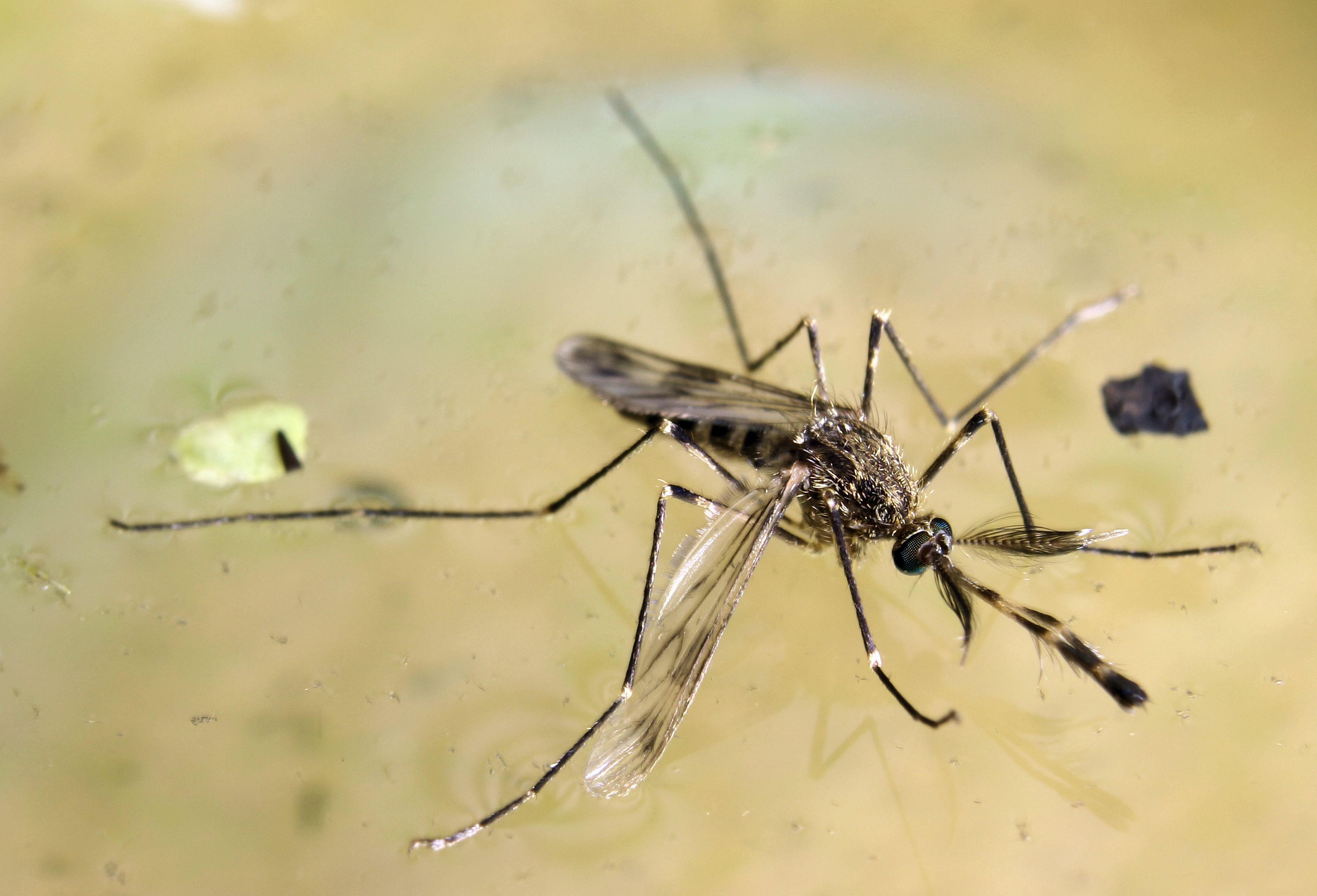
Idaho's West Nile problem is an irrigation story. The Snake River Plain — one of the most intensively irrigated agricultural regions in the West — provides Culex tarsalis with exactly what it needs: warm, slow, productive water in canal margins, drainage sumps, and field edges. Ada County (Boise) and Twin Falls County lead the state in WNV detections most years. The American Falls Reservoir area in Power County is one of the most reliably productive zones, where warm reservoir margins sustain breeding populations from June through August.

The species that makes June camping in the Snake River valley unpleasant. Aedes vexans eggs overwinter in the floodplain soils of the Boise, Payette, and Snake River bottoms and hatch when spring irrigation flows and snowmelt raise water levels. Surges in late May and early June can be sharp — populations spike within a week of a flooding event, then decline as the water recedes. The northern panhandle sees the same pattern along the Spokane and Coeur d'Alene River drainages, typically running two to three weeks later than the south.
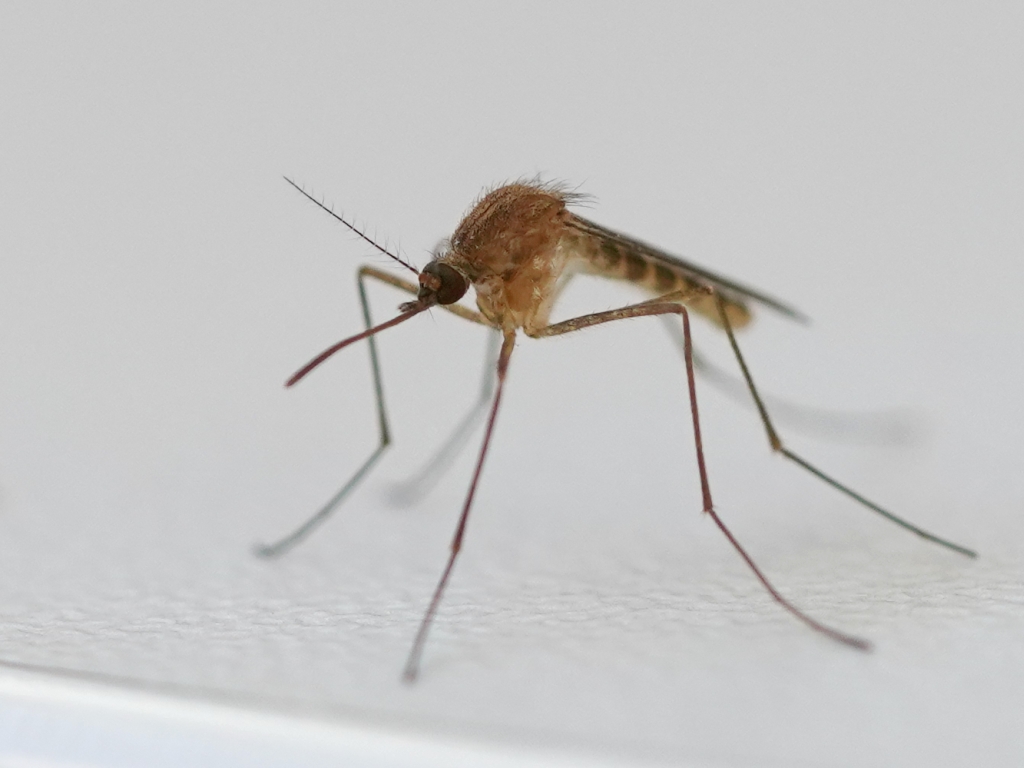
The urban resident of Boise's older neighborhoods and the Treasure Valley suburbs. Culex pipiens breeds in storm drain catch basins, neglected backyard containers, and the slow canal stretches that run through residential Boise — an unusual feature of a city built around historic irrigation access. A secondary but genuine WNV vector in the metro, contributing to Boise's above-average urban transmission rate for a city its size.
| City | Peak Season | Off-Season | Notes | |
|---|---|---|---|---|
| Boise | Jun – Sep | Off Oct–May | Boise River corridor; irrigation canals; WNV active most summers; Ada County vector control | Check live |
| Nampa | Jun – Sep | Off Oct–May | Canyon County irrigation district; above-average WNV pressure vs. urban Boise | Check live |
| Meridian | Jun – Sep | Off Oct–May | Rapidly growing suburb; new development creates standing water habitat; Culex tarsalis active | Check live |
| Idaho Falls | Jun – Aug | Off Sep–May | Snake River Plain; Eastern ID agricultural pattern; shorter season than Treasure Valley | Check live |
| Coeur d'Alene | Jun – Aug | Off Sep–May | Northern panhandle; Lake CdA; intense but short July peak; Ae. vexans dominant | Check live |