Is it mosquito season in Washington?
Washington is divided by the Cascades into two climatic zones with meaningfully different mosquito profiles. Western Washington — the rainy Puget Sound lowlands — runs a moderate June–September season. Eastern Washington's Columbia Basin is a different story: warm summers, extensive irrigation agriculture, and the Columbia River system create conditions where West Nile Virus circulates actively each year.
Western Washington: the Puget Sound lowlands
Seattle, Tacoma, Bellevue, and the Puget Sound metro run a moderate season by national standards, typically June through September. The marine climate limits extreme heat and keeps standing water cooler, which slows larval development. The most active local areas are around wetlands, salmon streams in spawning season, and urban storm drainage.
Eastern Washington: the West Nile hotspot
Spokane, the Tri-Cities (Kennewick/Richland/Pasco), Yakima, and the Columbia Basin agricultural corridor run a meaningfully different season than the west side. Warm, dry summers and extensive irrigation agriculture create conditions highly favorable for Culex tarsalis — the primary WNV vector. Washington logs consistent WNV human cases each year, heavily concentrated east of the Cascades.
The Columbia River corridor
The Columbia River from the Tri-Cities to the Oregon border creates significant mosquito habitat year-round in its irrigation-fed agricultural lowlands. Quincy, Moses Lake, and the Columbia Basin Project area are among the most WNV-active zones in the western US. Residents near agricultural fields and irrigation canals should treat June–August protection as essential.
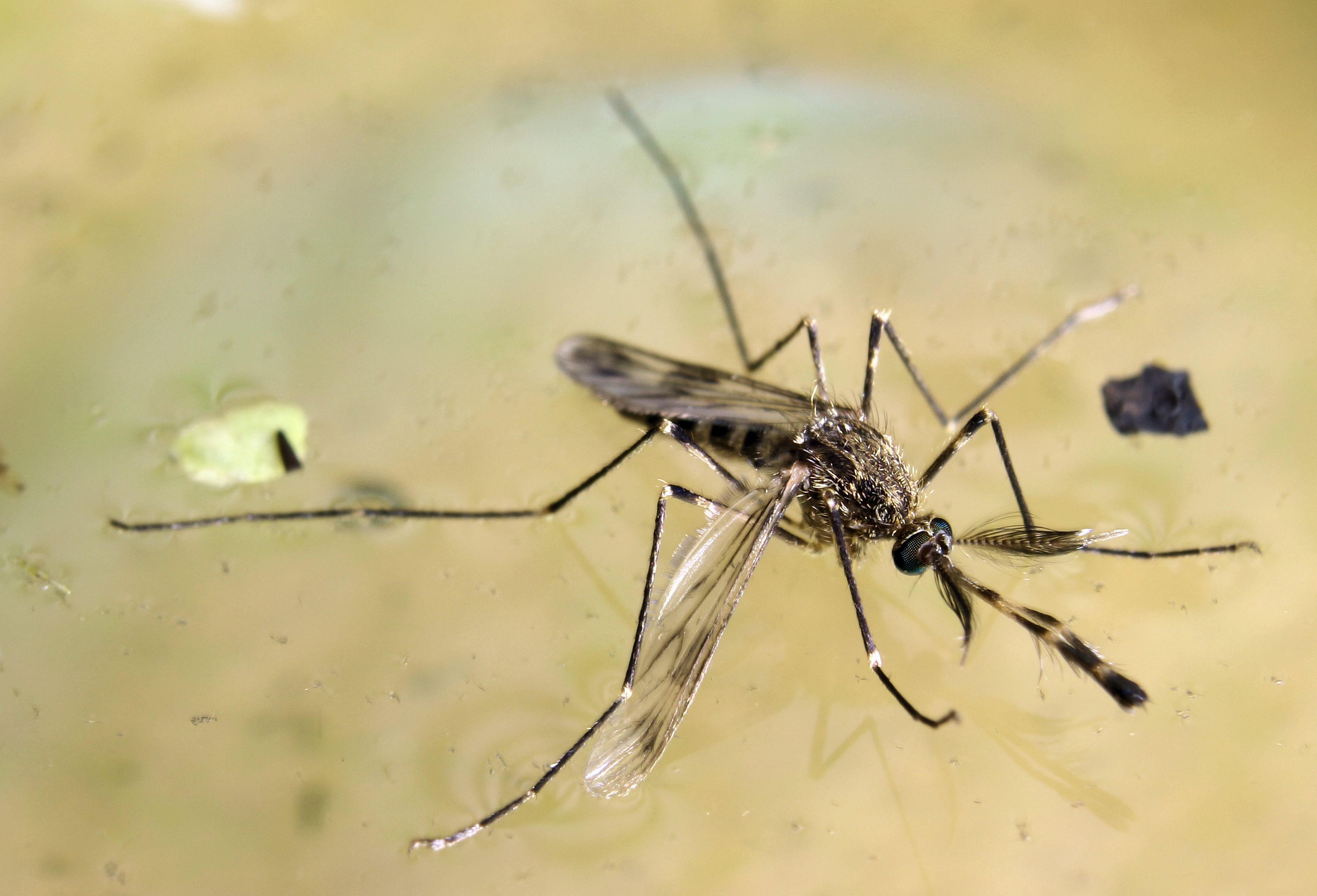
The primary West Nile Virus vector in eastern Washington. Thrives in warm irrigated agriculture and breeds in nutrient-rich standing water — irrigation return flows, stock ponds, roadside ditches. WNV transmission risk is concentrated east of the Cascades, particularly in the Columbia Basin.
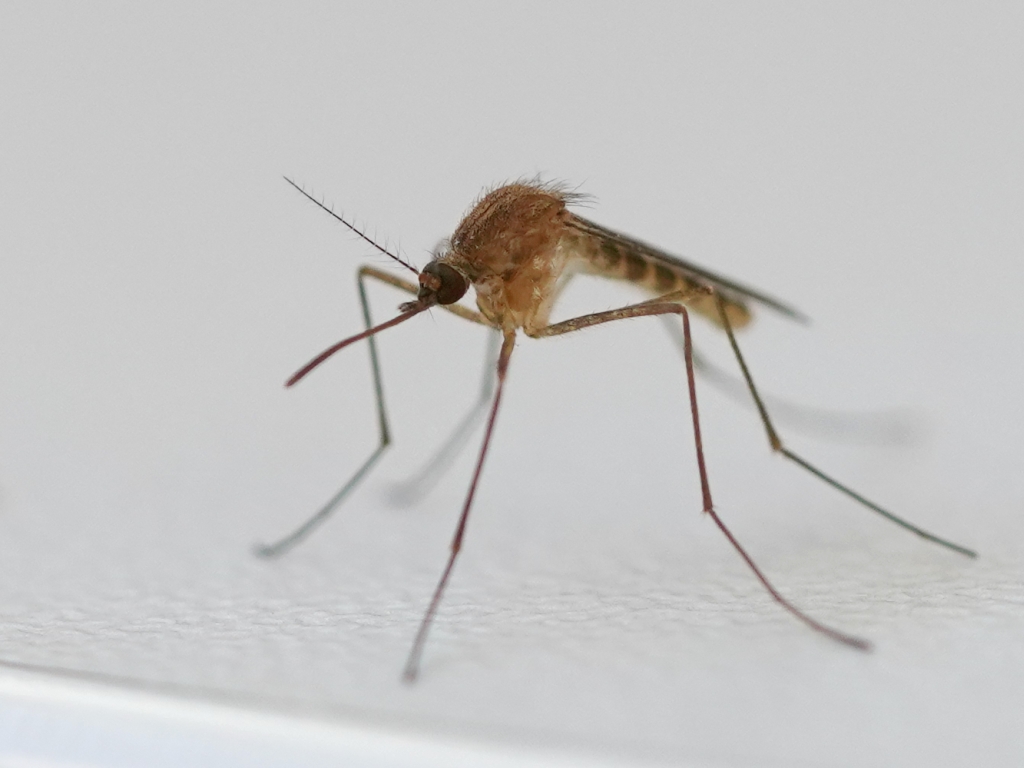
The dominant urban mosquito west of the Cascades. Breeds in stagnant water in gutters, catch basins, and urban drainage systems. The primary nuisance species in Seattle, Tacoma, and Bellevue — active June through September in residential neighborhoods.
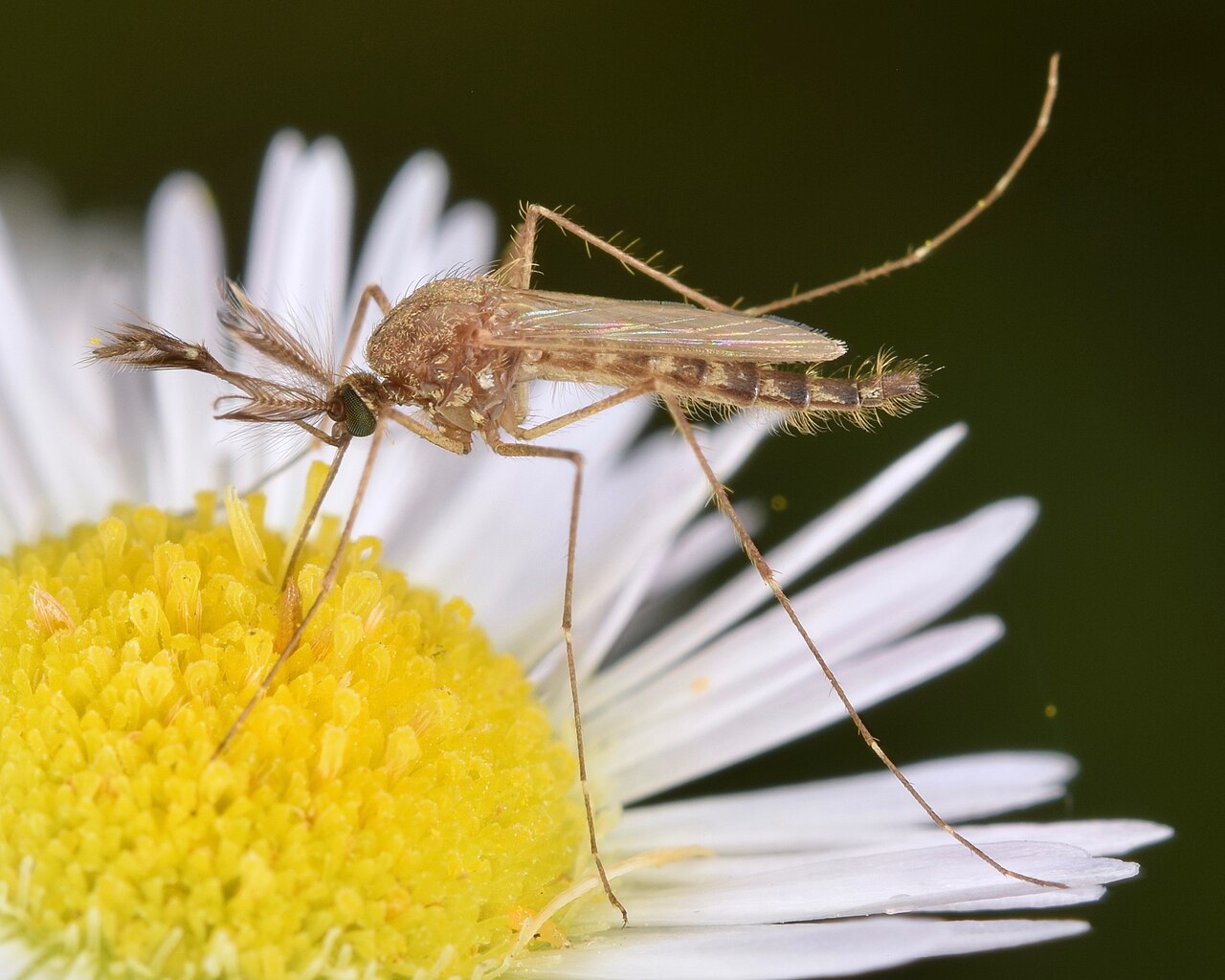
A native floodwater species that hatches from snowmelt-flooded lowlands and river margins in spring. Responsible for the early-season surge in western Washington river valleys and some Puget Sound lowland areas. Less medically significant than Culex tarsalis but the dominant early-season nuisance species west of the Cascades.
| City | Peak Season | Off-Season | Notes | |
|---|---|---|---|---|
| Seattle | Jun – Sep | Off Oct–May | Puget Sound marine climate; moderate by national standards; urban storm drainage sustains Culex | Check live |
| Tacoma | Jun – Sep | Off Oct–May | Commencement Bay wetlands; similar to Seattle; Puyallup River valley adds floodwater habitat | Check live |
| Spokane | Jun – Sep | Off Oct–May | East side — warmer and drier; WNV detected in Spokane County most years; Spokane River corridor | Check live |
| Yakima | Jun – Aug | Off Sep–May | Columbia Basin agriculture; irrigation canals; WNV risk zone; shorter intense window | Check live |
| Vancouver | Jun – Sep | Off Oct–May | Columbia River corridor; similar to Portland; wetland habitat along the river drive local activity | Check live |