Is it mosquito season in Florida?
Florida has more mosquito species than any other continental US state. In South Florida, season never really ends — in the north, it peaks May through October.
South Florida vs. North Florida
Florida effectively has two mosquito seasons. South of the Orlando–Daytona line — Miami-Dade, Broward, Palm Beach, Collier, and Monroe counties — conditions stay warm enough for baseline activity year-round. Culex populations slow in January and February but never reach zero. North of that line, including Jacksonville, Tallahassee, and the Panhandle, the pattern resembles the broader Southeast: a genuine low-activity period in winter, building through spring, peaking in summer.
When is it worst?
Statewide peak runs June through September. Florida's summer rainy season dumps roughly 60% of annual rainfall between June and September — creating massive standing water that drives breeding populations to their highest levels of the year. Dawn and dusk remain the worst windows, but the daytime-biting Asian tiger mosquito makes midday uncomfortable statewide as well.
The Everglades factor
The Everglades, Ten Thousand Islands, and Florida Bay create permanent high-output breeding habitat with no winter interruption. Residents in Broward, Miami-Dade, and Collier counties should treat mosquito protection as a year-round practice, not a seasonal one.
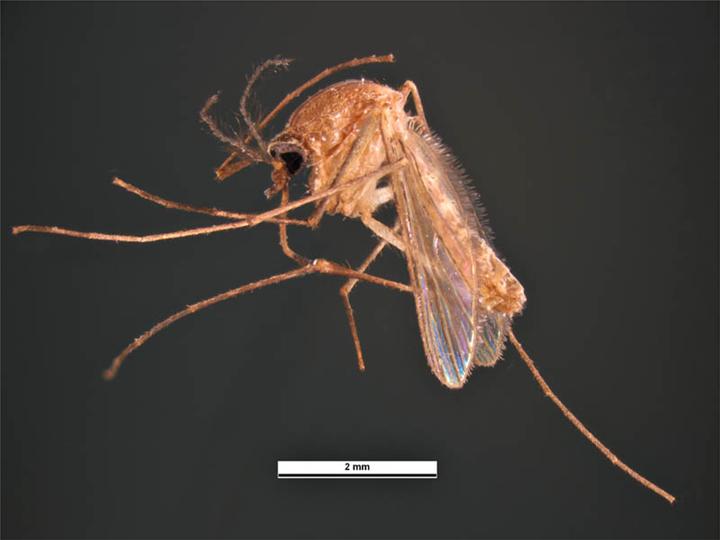
The primary West Nile Virus vector in Florida. A dusk-to-dawn biter preferring birds but readily feeding on humans. Breeds in storm drains, bird baths, clogged gutters. Present statewide year-round in South FL.
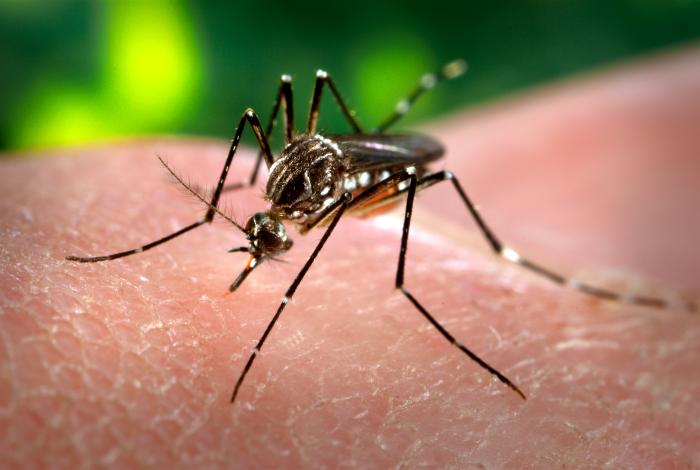
A daytime biter capable of transmitting dengue, Zika, and chikungunya. Concentrated in South Florida — mainly Miami-Dade, Broward, Palm Beach, and Monroe. Does not range north of Orlando.
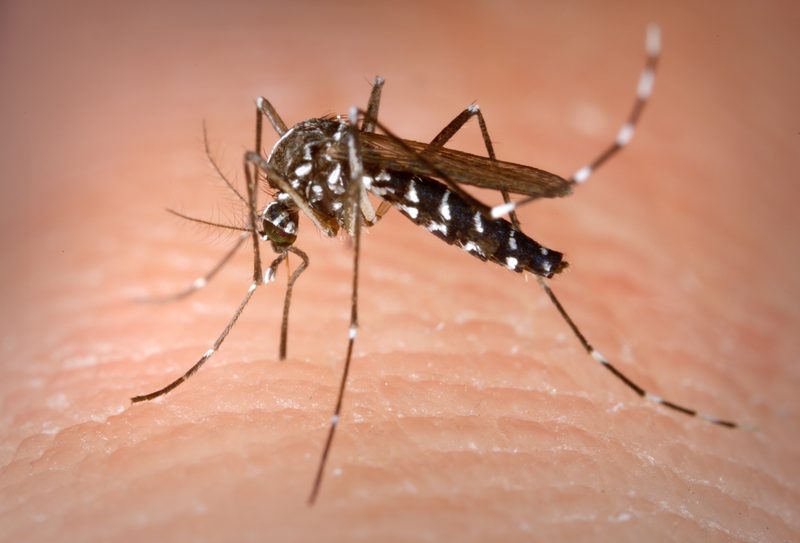
Statewide and spreading. Bites aggressively during the day — including midday — making standard dusk/dawn protection insufficient for anyone spending time outdoors in Florida.
Florida is unusual: two of its three key species bite during daylight. Full-day protection — repellent applied in the morning, not just at dusk — is warranted during peak season.
| City | Peak Season | Off-Season | Notes | |
|---|---|---|---|---|
| Miami | May – Oct | Low (never zero) | Year-round activity; Ae. aegypti present | Check live |
| Fort Lauderdale | May – Oct | Low (never zero) | Similar to Miami; Broward County programs active | Check live |
| Tampa | May – Oct | Near-zero Dec–Feb | Hillsborough Co. has one of Florida's most active control programs | Check live |
| Orlando | May – Oct | Near-zero Dec–Feb | Central FL transition zone; heavy summer rain drives peaks | Check live |
| Jacksonville | May – Sep | Off Dec–Feb | North FL pattern; season comparable to coastal Georgia | Check live |
| Tallahassee | May – Sep | Off Nov–Mar | Panhandle region; shorter season, cooler winters | Check live |
| Key West | All year | — | Subtropical; never fully dormant. Ae. aegypti active year-round. | Check live |