Is it mosquito season in Oregon?
Oregon is a state of two mosquito worlds divided by the Cascades. West of the mountains — Portland, Salem, Eugene — a temperate maritime climate produces a moderate season with limited disease risk. East of the Cascades, the Columbia Basin and Klamath Basin run some of the Pacific Northwest's most active West Nile Virus transmission, driven by Culex tarsalis in the extensive irrigation infrastructure.
Eastern Oregon: the WNV zone
Umatilla, Morrow, and Gilliam counties along the Columbia River are Oregon's most WNV-active counties — a consequence of irrigated agriculture creating vast Culex tarsalis habitat in the otherwise arid landscape. The Columbia Basin Project and the network of irrigation canals sustain large summer populations. Malheur County in the southeast has a similarly active profile driven by the Owyhee Irrigation District and Malheur Lake wetlands.
The Willamette Valley: moderate but real
Portland, Salem, and Eugene experience a genuine but moderate season from May through September. The Willamette River and its tributaries, the extensive wetland mitigation areas throughout the valley, and urban storm drain systems support Culex pipiens and Aedes vexans populations. WNV is detected in the Willamette Valley less consistently than eastern Oregon, but positive pools are found in most years.
The Klamath Basin: a wetland hotspot
The Klamath Basin in south-central Oregon — shared with northern California — is one of the most important waterfowl areas in North America, and that bird density supports significant West Nile Virus amplification in local Culex tarsalis populations. Klamath County has recorded some of the highest WNV positive pool rates in Oregon. The area's managed wetlands for wildlife are simultaneously productive mosquito habitat.
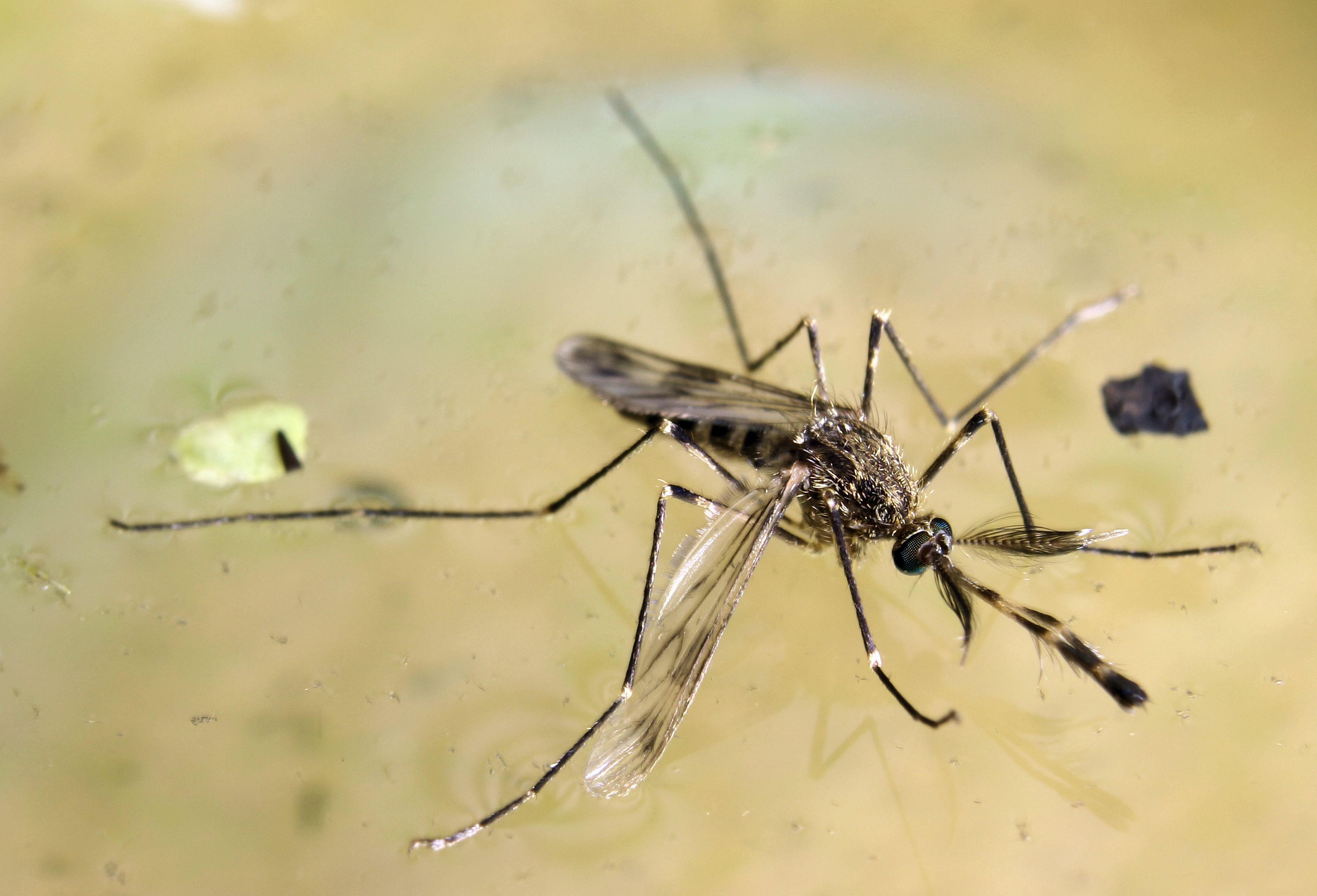
East of the Cascades, Culex tarsalis is the dominant story — in the Columbia Basin irrigation districts of Umatilla and Morrow counties, in the Klamath Basin's bird-rich marshes, and along the John Day and Malheur River corridors. Oregon's WNV case geography maps almost exactly onto tarsalis habitat: the dry, irrigated east. Umatilla County has recorded some of the highest WNV rates in the Pacific Northwest during active years, driven by the Columbia Basin Project's extensive canal infrastructure and the warm temperatures that the Cascade rain shadow produces from July through September.
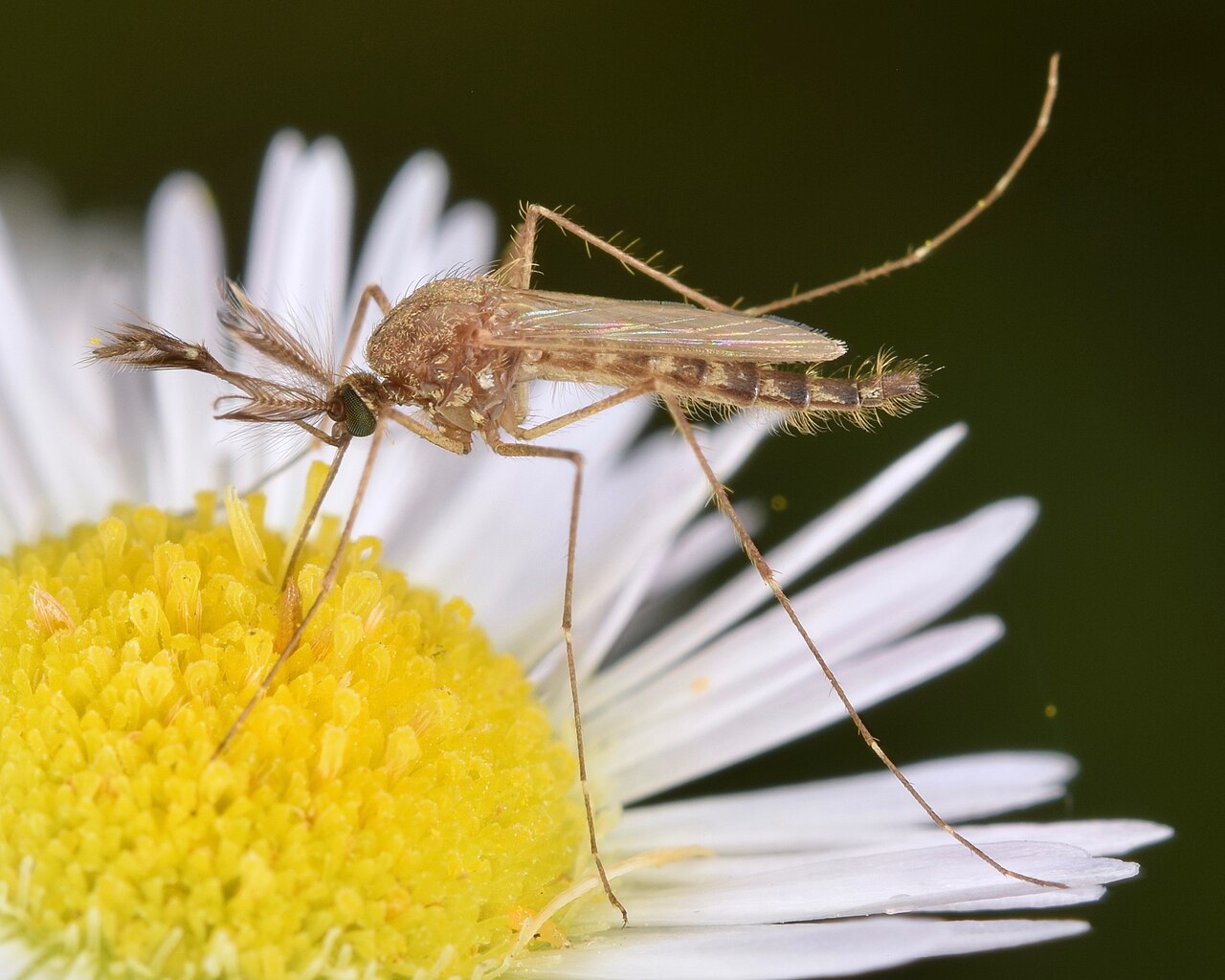
West of the Cascades, Aedes vexans is the mosquito most Oregonians actually encounter — the species that appears suddenly after the Willamette River rises, fills the valley's wetland mitigation areas, and makes evening walks unpleasant for two weeks before subsiding. Sauvie Island, the Tualatin River National Wildlife Refuge, and the floodplain wetlands south of Portland produce the metro area's most intense floodwater surges. East of the Cascades, Ae. vexans also erupts along the John Day, Malheur, and Owyhee River corridors following spring snowmelt.
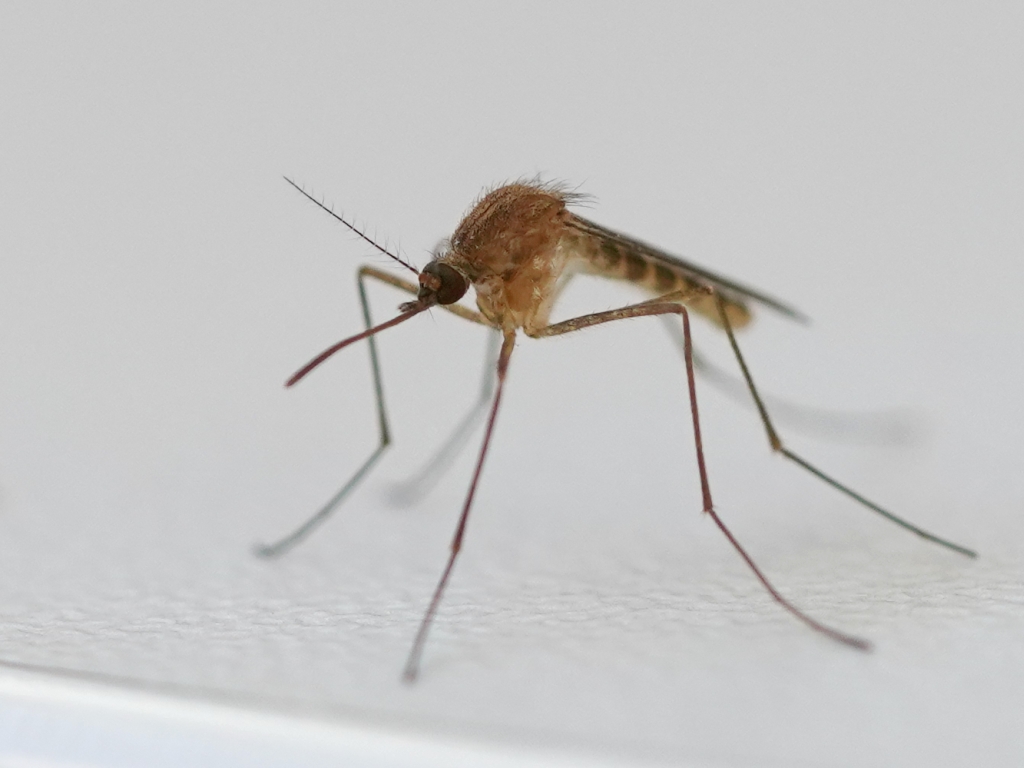
The dominant WNV vector in Portland, Salem, Eugene, and the Willamette Valley cities. Culex pipiens breeds in the slow, organically rich water of Portland's aging storm drain system, the wetland mitigation ponds that line the Sunset Highway corridor, and residential containers throughout the valley. A secondary WNV risk compared to tarsalis in the east, but the pipiens population in the Willamette Valley is large enough that WNV circulates in Oregon's most populous corridor every summer — surveillance detections in Multnomah and Washington counties are annual.
| City | Peak Season | Off-Season | Notes | |
|---|---|---|---|---|
| Portland | May – Sep | Off Oct–Apr | Willamette River; urban Culex pipiens; moderate WNV risk; Columbia Slough provides habitat | Check live |
| Salem | May – Sep | Off Oct–Apr | Willamette Valley; agricultural drains; similar to Portland but slightly more agricultural | Check live |
| Eugene | May – Aug | Off Sep–Apr | Willamette headwaters; wetter microclimate; shorter effective season than Portland | Check live |
| Bend | Jun – Aug | Off Sep–May | High desert east of Cascades; Deschutes River; Culex tarsalis; lower density than Columbia Basin | Check live |
| Medford | May – Sep | Off Oct–Apr | Rogue Valley; longer season than northern OR; Culex tarsalis active; Bear Creek corridor | Check live |