Is it mosquito season in Wyoming?
Wyoming offers more natural mosquito relief than any other contiguous US state. Most of the state sits above 5,000 feet, and significant portions above 7,000–8,000 feet — elevations where cold nights and UV intensity suppress populations for most of the year. The meaningful season is compressed to roughly six weeks centered on July. The eastern plains and the North Platte River valley carry the most activity, including West Nile Virus most years.
Eastern Wyoming: the plains exception
The Laramie and Goshen counties in the southeast — lower in elevation and more agricultural than the mountain west — experience Wyoming's longest season, from late June through early September. The North Platte River and its tributaries provide Culex tarsalis with warm, productive breeding water. Torrington and Wheatland in the North Platte valley see the state's highest WNV pressure.
Casper and the Platte corridor
Casper sits at the heart of Wyoming's most mosquito-active zone — the North Platte River corridor through Natrona County. Alcova and Pathfinder reservoirs, the river's backwaters, and surrounding ranching infrastructure support Culex tarsalis populations through July and August. WNV is detected in Natrona County in most active summers.
The mountains: near-complete relief
Communities above 7,000 feet — Jackson Hole, Cody above the valley, Lander in normal years — experience a season so compressed as to be nearly negligible. Jackson Hole in particular (6,200 feet valley floor) has meaningful activity only in the warmest July weeks. Yellowstone National Park above 7,000 feet has mosquitoes but they are largely confined to the geothermal drainage areas and are present for a very short window.
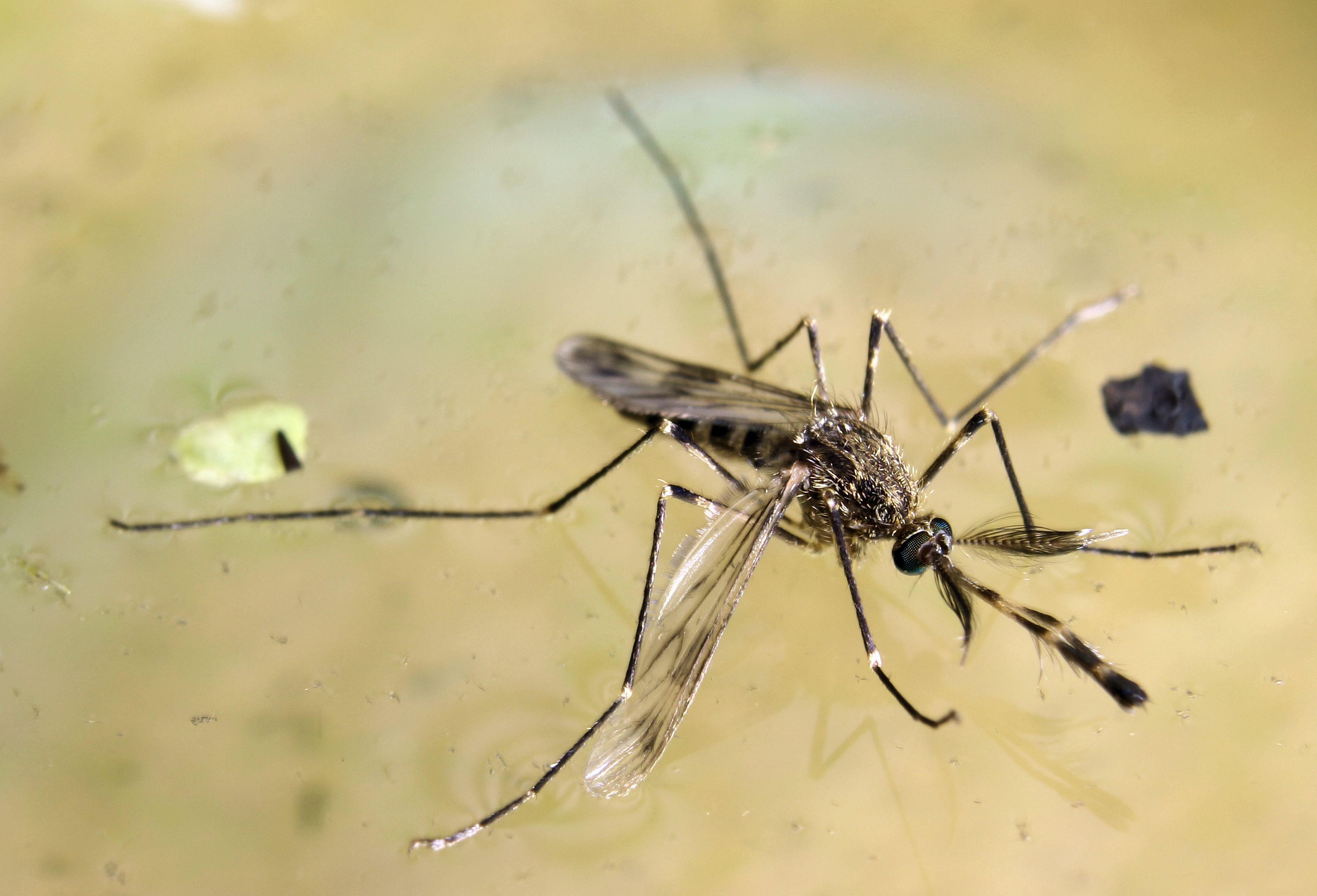
Wyoming's narrow WNV window makes Culex tarsalis's productivity in the North Platte valley all the more striking. The species breeds in stock ponds, irrigation ditches, and Platte River backwaters from roughly June 20 through August 15 — a six-to-eight week transmission window that's short by national standards but real. In warm summers, Goshen County (Torrington) and Platte County (Wheatland) record the state's highest WNV activity, where the North Platte's agricultural infrastructure supports tarsalis at densities that surprise people unfamiliar with Wyoming's mosquito potential.
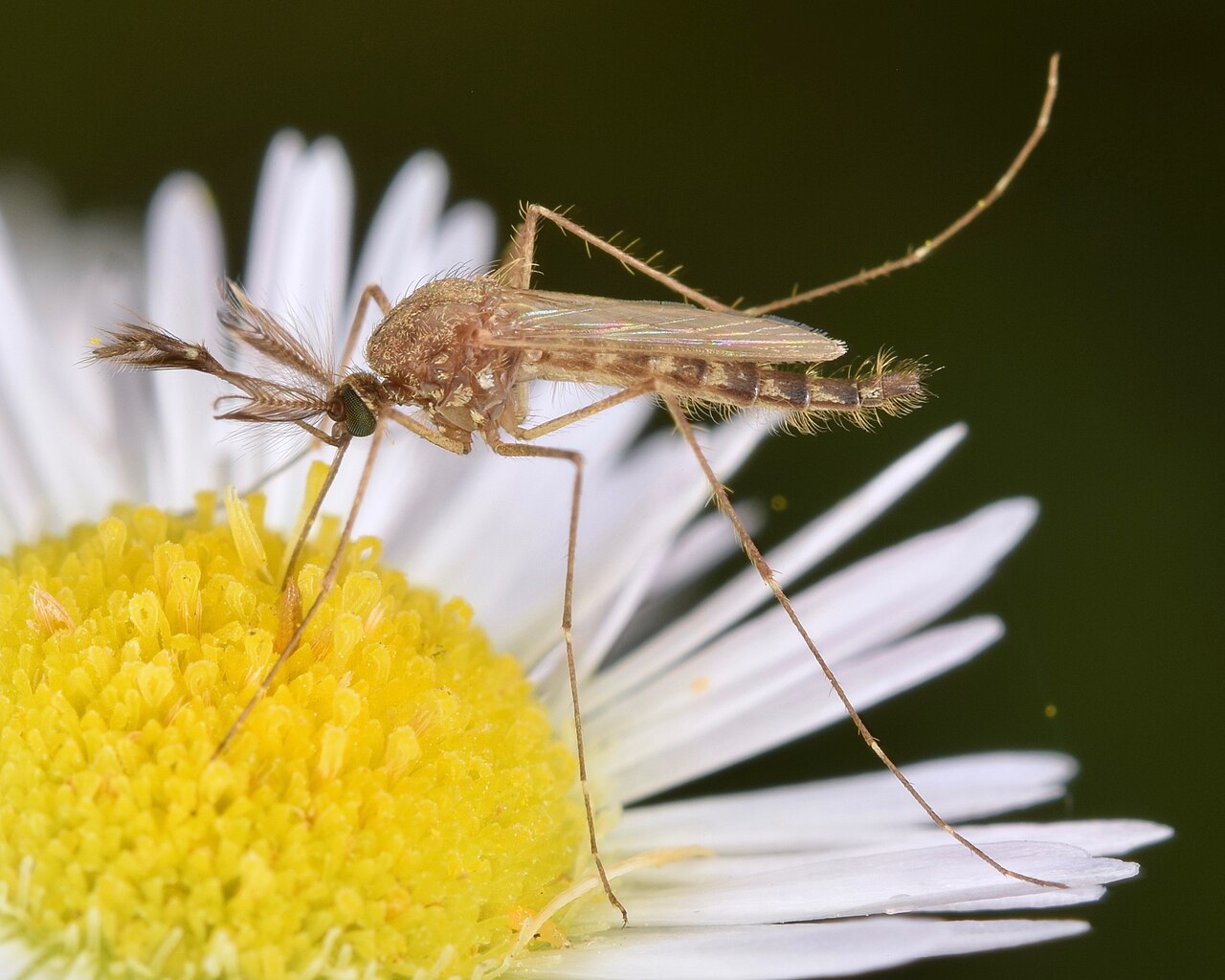
Responsible for the intense but merciful brevity of Wyoming's early-season biting. Aedes vexans eggs in the North Platte, Bighorn, and Wind River floodplains hatch when snowmelt raises water levels in late May and June — sometimes producing a week of genuinely overwhelming pressure before the landscape dries and populations crash. In the mountain valleys (Jackson Hole, Cody, Dubois), this snowmelt surge is the entire season: there's an intense two-week window in June, then relative quiet for the rest of summer. Planning outdoor Wyoming activities around this window is worth doing.
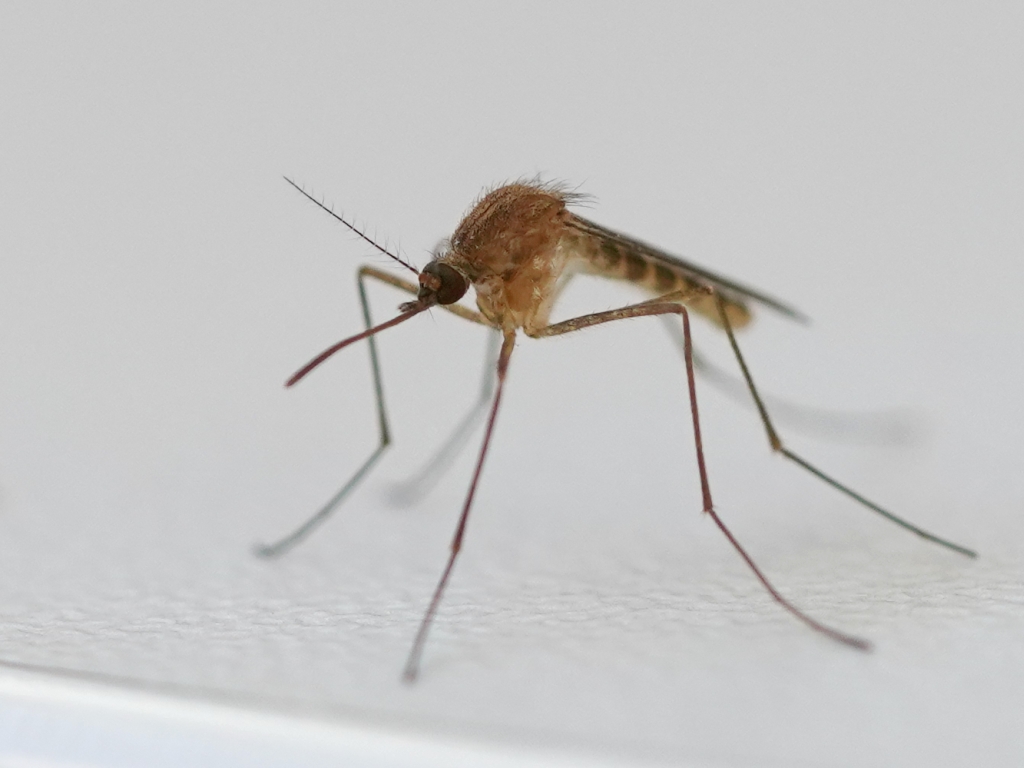
The urban mosquito of Cheyenne and Casper — modest in impact compared to the agricultural species but present and occasionally relevant for WNV. Cheyenne's storm drain system and the irrigation infrastructure of the older residential neighborhoods support Culex pipiens through the July–August peak. Given Wyoming's compressed season, the transmission window for this species is roughly six weeks — late June through early August — compared to three to four months in the southern states where the same species operates. Still, Laramie County health officials include pipiens in their WNV surveillance program.
| City | Peak Season | Off-Season | Notes | |
|---|---|---|---|---|
| Cheyenne | Jun – Aug | Off Sep–May | Highest-risk city in WY; Crow Creek corridor; WNV active most years; lower elevation | Check live |
| Casper | Jul – Aug | Off Sep–Jun | North Platte River; Natrona County WNV; 5,000 ft elevation; very short season | Check live |
| Laramie | Jul | Off Aug–Jun | 7,200 ft elevation; shortest meaningful season; Laramie River; very brief July peak | Check live |
| Gillette | Jul – Aug | Off Sep–Jun | Powder River Basin; coal country; Belle Fourche River; moderate July pressure | Check live |
| Rock Springs | Jul – Aug | Off Sep–Jun | High desert; Green River corridor; 6,200 ft; minimal activity outside river corridor | Check live |