Is it mosquito season in Delaware?
Delaware may be the nation's second-smallest state, but its mosquito situation is outsized. The Chesapeake and Delaware Bay watersheds, the Inland Bays, and miles of tidal salt marshes create extraordinary breeding habitat. Southern Delaware in particular — the Rehoboth and Lewes coastal areas — runs one of the most intense seasons on the mid-Atlantic coast.
Northern Delaware: suburban pressure
New Castle County from Wilmington south to Middletown sits in the Philadelphia-Wilmington metro corridor, where Culex pipiens thrives in storm drain systems and suburban standing water. West Nile Virus circulates in the bird population annually, with human cases most common August through October. The Christina River and Brandywine Creek corridors amplify pressure near Wilmington.
The Delmarva coast: tidal marsh intensity
Sussex County — Delaware's southernmost — is home to thousands of acres of salt marsh along the Indian River and Inland Bays. Salt marsh mosquitoes (Ochlerotatus sollicitans and Oc. cantator) emerge in explosive numbers after tidal flooding events. State mosquito control has operated in this region for decades, but pressure can still be extreme in July and August.
Eastern Equine Encephalitis: a real risk
EEE has been detected in Delaware wetlands, particularly in Kent and Sussex counties where freshwater swamp complexes harbor the Culiseta melanura vector. While human EEE cases are rare, the southern Delmarva corridor is part of the active Atlantic Coast EEE belt that stretches from Florida to Massachusetts.
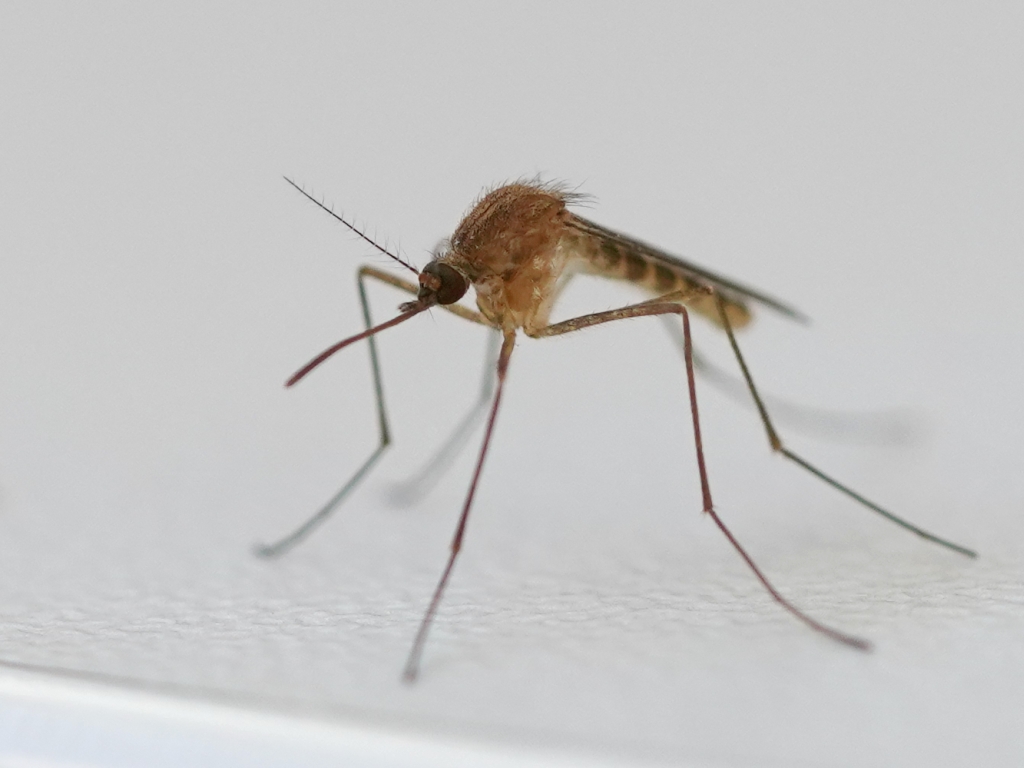
The primary WNV vector in Wilmington, Newark, and the New Castle County suburbs — and the reason Delaware's small size doesn't translate to low disease risk. Culex pipiens breeds in the storm drain catch basins and stagnant pooling of older Delaware infrastructure, with the highest densities in the Christina River watershed communities south of Wilmington. Human WNV cases are detected in Delaware most years, concentrated in late summer when pipiens populations peak and bird hosts begin dispersing virus through the suburban landscape.
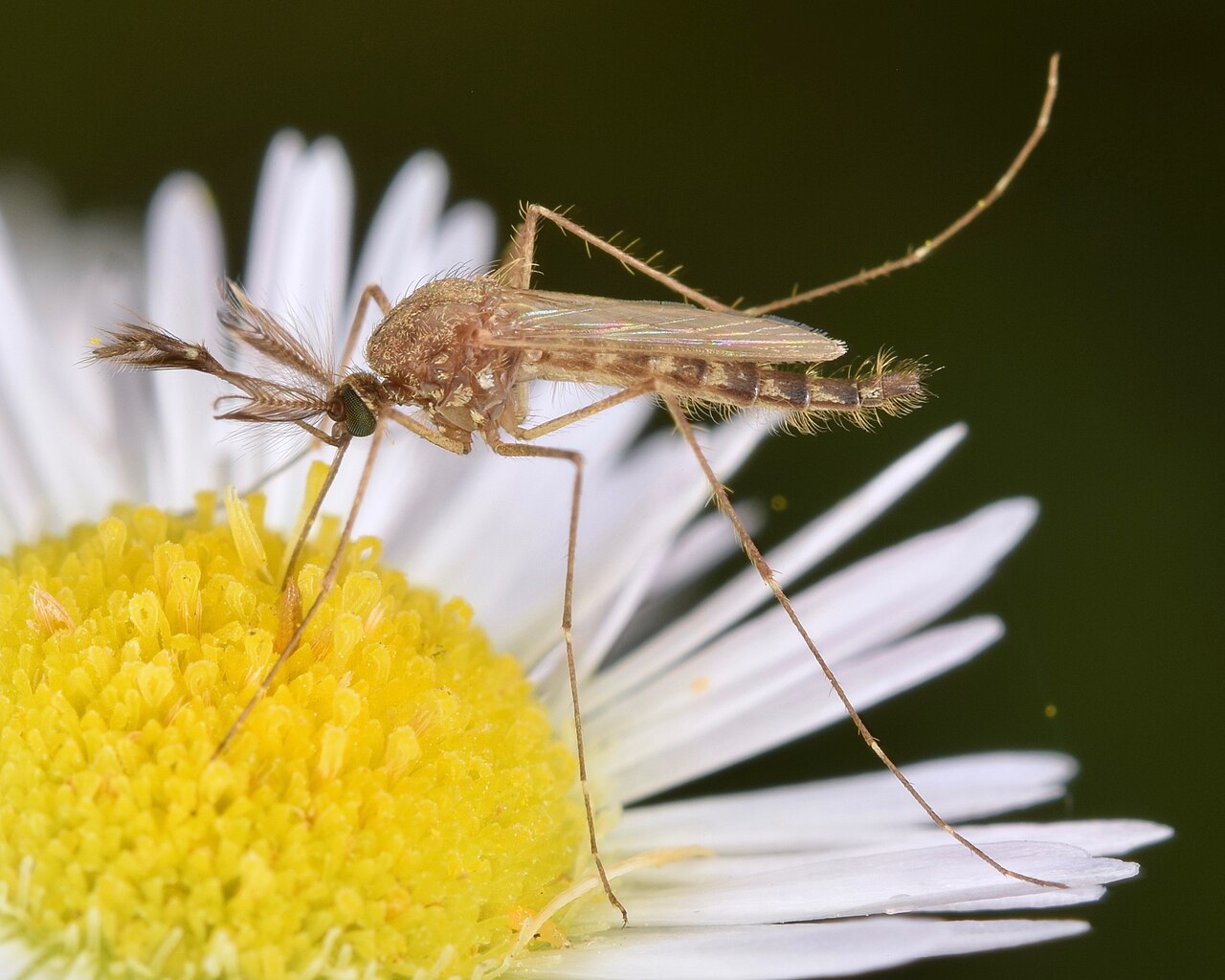
Delaware's most noticed species — the one that makes June and July outdoor dining unpleasant across the state. Aedes vexans hatches explosively from the Delaware River floodplains and the agricultural lowlands of Kent County following spring rains and tidal flooding. The flat Delmarva topography means that even modest rainfall events can produce widespread flooding, triggering simultaneous hatch events across large areas. The peak surge typically arrives in late May to early June and can be intense for 10–14 days before populations stabilize.
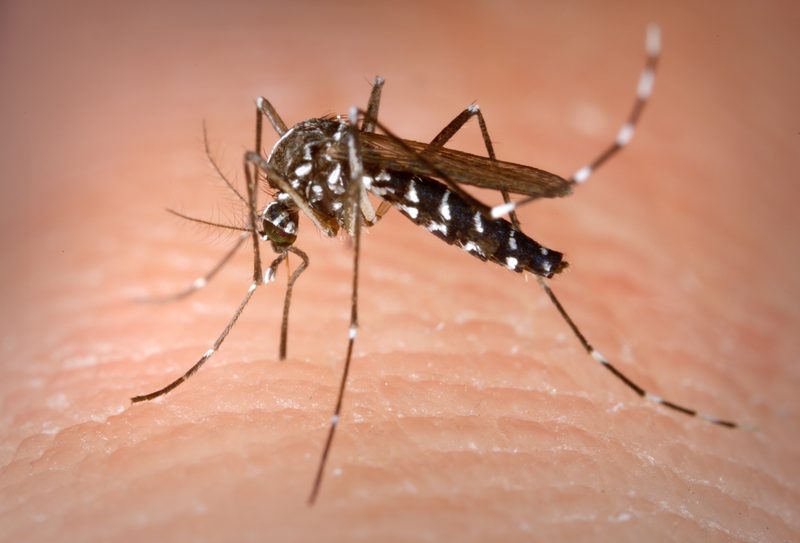
Established statewide and advancing. Aedes albopictus arrived in Delaware's Eastern Panhandle region via the DC-Baltimore corridor and has spread throughout all three counties. The species breeds in the kinds of containers common in Delaware's suburban landscape — discarded tires (still frequent in rural Kent and Sussex), neglected birdbaths, and the ornamental containers common in Wilmington's residential neighborhoods. Its daylight biting habit is what distinguishes it from Delaware's other species: people applying repellent only at dusk are unprotected against the tiger mosquito all day.
| City | Peak Season | Off-Season | Notes | |
|---|---|---|---|---|
| Wilmington | Apr – Oct | Off Nov–Mar | Christina and Brandywine River corridors; urban storm drain breeding; WNV pressure | Check live |
| Dover | Apr – Oct | Off Nov–Mar | Central DE; St. Jones River wetlands; EEE detected in county most years | Check live |
| Newark | Apr – Oct | Off Nov–Mar | White Clay Creek corridor; suburban container habitat for Ae. albopictus | Check live |
| Rehoboth Beach | Apr – Oct | Off Nov–Mar | Inland Bays salt marsh; intense coastal season; state mosquito control active | Check live |
| Middletown | Apr – Oct | Off Nov–Mar | Southern New Castle County; Chesapeake and Delaware Canal corridor | Check live |