Is it mosquito season in Kansas?
Kansas ranks among the most West Nile Virus-active states in the nation year after year. The combination of warm summers, extensive agricultural irrigation, and two major river systems creates ideal conditions for Culex tarsalis — the primary WNV vector. Sedgwick County (Wichita) and the Kansas City metro area consistently lead the state in annual case counts.
Wichita and south-central Kansas: the WNV epicenter
Sedgwick County has historically been one of the most WNV-active counties in the US during high-transmission summers. The Arkansas River corridor, the city's irrigation and drainage infrastructure, and warm summer temperatures combine to sustain enormous Culex tarsalis populations through July and August. The county runs an aggressive spray program but still records significant human cases most years.
The Kansas City metro: urban pressure
The eastern Kansas portion of the Kansas City metro — Overland Park, Olathe, Lenexa — experiences intense Culex pipiens pressure in residential areas alongside Culex tarsalis in surrounding agricultural zones. The Kansas and Missouri rivers create extensive floodplain habitat. Johnson County runs one of the state's more active county vector control programs.
Western Kansas: agricultural intensity
The high plains counties of western Kansas — irrigated by center-pivot systems drawing from the Ogallala Aquifer — produce substantial Culex tarsalis habitat in the spray irrigation runoff and drainage sumps. Finney, Ford, and Grant counties see significant WNV pressure in high-activity summers despite relatively sparse human population.
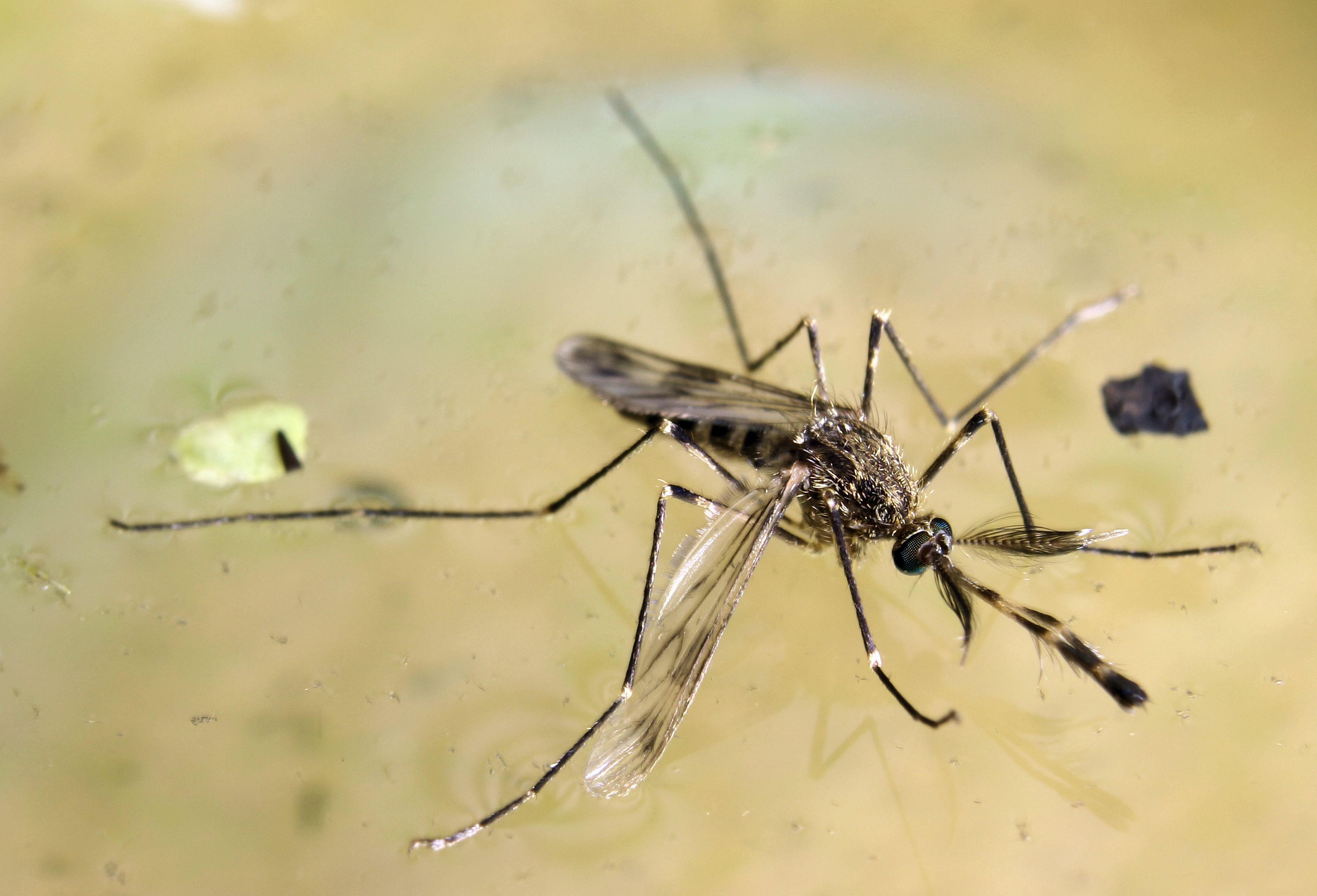
The engine of Kansas's perennial West Nile problem. Sedgwick County's status as one of the nation's most WNV-active counties is a Culex tarsalis story — the Arkansas River corridor through Wichita provides exactly the warm, slow, agricultural water this species exploits. During the catastrophic 2003 WNV season, Kansas recorded over 600 human cases, with the Arkansas River valley as the epicenter. Center-pivot irrigation in western Kansas creates tarsalis habitat across vast stretches of the high plains that would otherwise be inhospitable — runoff from spray irrigation sustains breeding through dry summers.
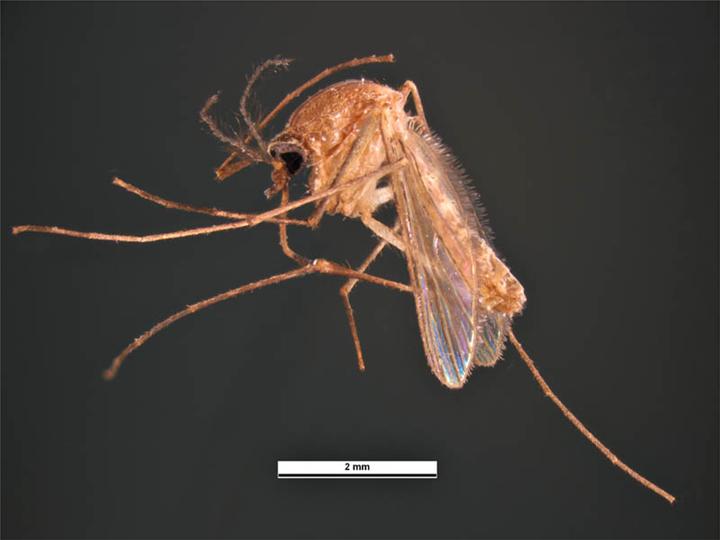
The urban WNV vector that operates in Wichita, Overland Park, Topeka, and Kansas City while tarsalis dominates the surrounding farmland. Culex quinquefasciatus is more heat-tolerant than pipiens and thrives in the warm, organically enriched water of Kansas's urban drainage infrastructure — storm drain sumps, catch basins, the sluggish lower reaches of urban creeks. It is the dominant species in Wichita neighborhoods south of the Arkansas River, where it drives the highest urban WNV transmission rates in the state most summers.
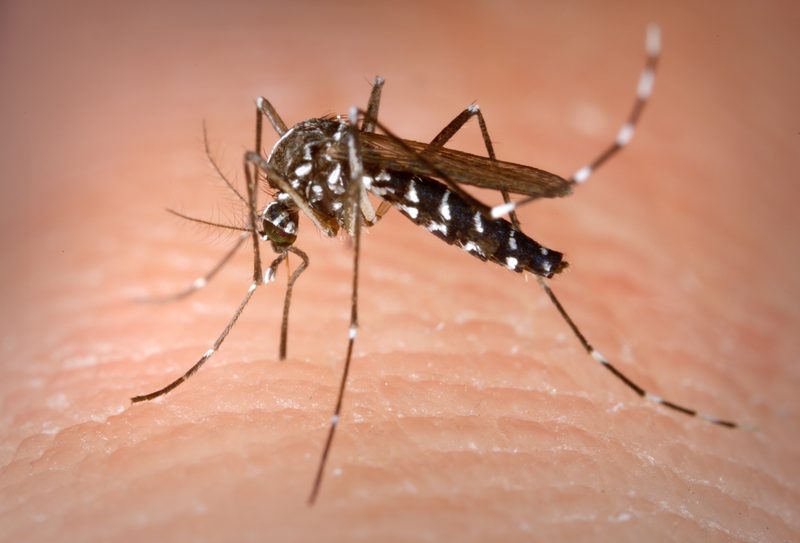
Established in eastern Kansas and advancing steadily westward along the Missouri River corridor. The tiger mosquito has reached as far west as Salina in recent surveillance, and is firmly established throughout the Kansas City metro, Topeka, and the I-70 corridor. Unlike the Culex species that dominate Kansas's WNV story, Ae. albopictus bites aggressively during daylight and breeds in small containers — extending biting pressure into hours and habitats where residents don't expect it.
| City | Peak Season | Off-Season | Notes | |
|---|---|---|---|---|
| Wichita | May – Oct | Off Nov–Apr | Sedgwick County; historically one of highest WNV counties in US; Arkansas River corridor | Check live |
| Overland Park | May – Oct | Off Nov–Apr | Johnson County; suburban container habitat; Kansas River floodplain proximity | Check live |
| Kansas City | May – Oct | Off Nov–Apr | Kansas/Missouri River confluence; floodplain habitat; county spray program active | Check live |
| Topeka | May – Oct | Off Nov–Apr | Kansas River corridor; Shunganunga Creek; above-average urban pressure | Check live |
| Olathe | May – Oct | Off Nov–Apr | Johnson County; fast-growing suburb; new development creates standing water habitat | Check live |