IsItMosquitoSeasonYet
← National tracker
Louisiana · Mosquito Season Guide

Is it mosquito season in Louisiana?


Right now Live
···

Check a Louisiana city
II. Louisiana Mosquito Season Month by month

Louisiana sits at the intersection of subtropical heat, Gulf moisture, and one of the most extensive wetland systems in North America. The result is near-year-round mosquito activity in coastal and bayou parishes — one of the longest and most intense seasons in the continental US.

Coastal / Bayou
New Orleans · Lafayette · Baton Rouge
Northern Louisiana
Shreveport · Monroe · Alexandria
Very Low Low Moderate High Very High taller = more active · color = severity
~60
mosquito species recorded in Louisiana
~300
days of possible activity along the Gulf Coast
3
species of major public health concern
64
parishes — all with seasonal exposure

The Bayou Parishes: near-year-round activity

The coastal and bayou parishes — Orleans, Jefferson, Plaquemines, St. Tammany, Terrebonne, and Lafourche — sustain mosquito activity in all but the coldest stretches of January and February. The combination of standing water, brackish marshes, and subtropical temperatures creates conditions few areas in the US can match. New Orleans sits below sea level in a drainage basin that never fully dries out.

Central Louisiana: the standard Southern season

The central parishes, including Alexandria and the Red River corridor, follow a typical Deep South pattern. Season builds from March, peaks through summer, and tapers in October. Rainfall-driven breeding surges are common after spring storms, and the Atchafalaya Basin provides a permanent reservoir of habitat across the region.

North Louisiana: shorter but still significant

Shreveport and the northern tier run a June–September peak that is shorter than the coast but still among the most intense in the South-Central US. The Red River and its associated floodplains provide ample floodwater breeding habitat throughout the season, with populations spiking sharply after heavy rains.
III. Louisiana's Three Species to Know
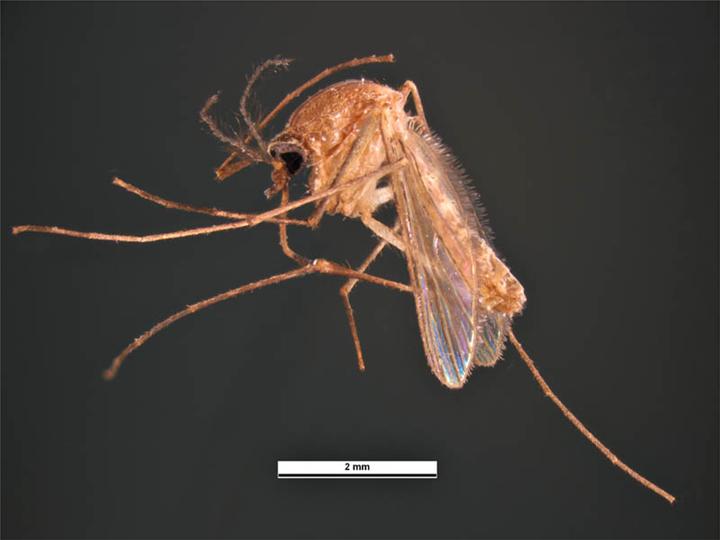
Culex quinquefasciatus macro photograph
Culex quinquefasciatus
Southern House Mosquito

The primary West Nile Virus vector in Louisiana. A dusk-to-dawn biter that breeds in stagnant urban water — storm drains, catch basins, and the roadside ditches that define south Louisiana drainage. Present statewide and near-year-round in coastal parishes.
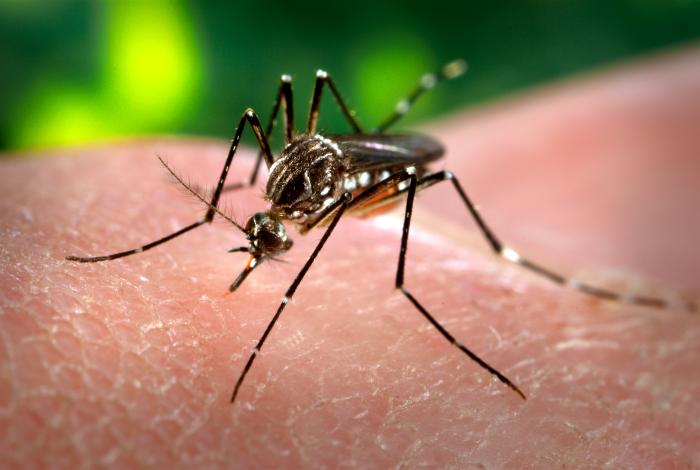
Aedes aegypti macro photograph — CDC / James Gathany, public domain
Aedes aegypti
Yellow Fever Mosquito

Established in southeastern Louisiana, particularly in the greater New Orleans metro. A daytime biter capable of transmitting dengue, Zika, and chikungunya. The warm coastal climate allows near-year-round survival in sheltered urban microhabitats.
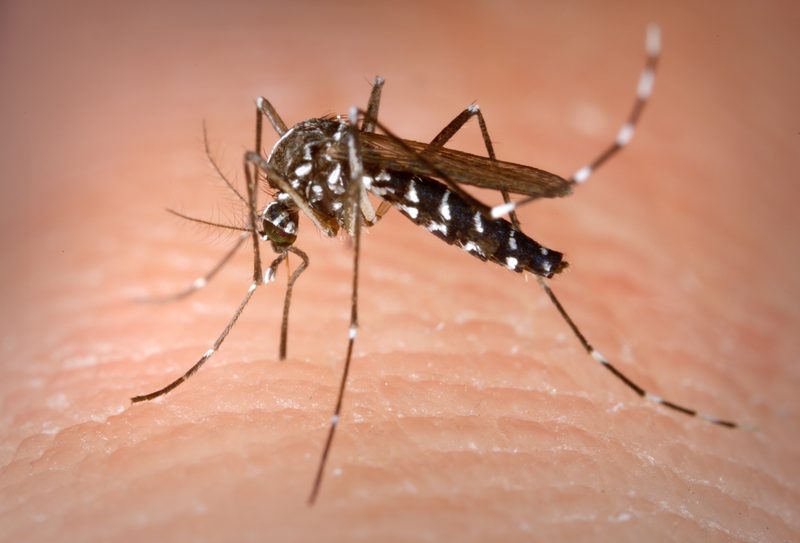
Aedes albopictus — Asian tiger mosquito macro photograph
Aedes albopictus
Asian Tiger Mosquito

Found statewide and expanding. An aggressive daytime biter that has colonized urban and suburban environments throughout Louisiana. Particularly dense in the New Orleans metro, Baton Rouge, and Lafayette, where it bites through most of the year.

IV. Louisiana Cities at a Glance
CityPeak SeasonOff-SeasonNotes
New Orleans Feb – Dec Low (rarely zero) Below-sea-level drainage basin; near-year-round in warm years; Ae. aegypti established Check live
Baton Rouge Mar – Nov Off Dec–Feb LSU lakes and bottomland hardwood drainage sustain dense populations; tiger mosquito statewide Check live
Lafayette Mar – Nov Off Dec–Feb Atchafalaya Basin proximity keeps habitat abundant; one of the most active mid-season metros Check live
Shreveport Apr – Oct Off Nov–Mar Standard Deep South timing; Red River corridor drives floodwater surges after spring storms Check live
Lake Charles Mar – Nov Low Dec–Feb Gulf proximity extends season; extensive low-lying industrial and residential standing water Check live
More State Guides
Florida Year-round activity in the south — 80+ species including invasive Ae. aegypti and the Asian tiger mosquito across all 67 counties Texas ~85 species across four climate zones — Gulf Coast active March through November, with year-round pressure in the Rio Grande Valley California Central Valley is the #1 West Nile corridor in the US — invasive Ae. aegypti and Ae. albopictus now established in 20+ counties Georgia Atlanta metro leads the Southeast in Asian tiger mosquito density — active statewide March through November New York Ground zero for West Nile in the US (1999 Queens outbreak) — NYC metro and Long Island see the highest Northeast seasonal pressure Illinois Home of the 2002 Cook County West Nile outbreak — the deadliest urban WNV event in US history — peak season June through September Ohio Lake Erie to the Ohio River — WNV active in Franklin and Cuyahoga counties, with floodwater species surging after summer storms Pennsylvania Philadelphia WNV corridor meets rural EEE risk in western PA — the densest human population in the mid-Atlantic mosquito belt Michigan Site of the 2019 EEE outbreak — the deadliest in decades — 10 human cases and 6 deaths concentrated in SW Michigan Great Lakes wetlands New Jersey Oldest organized county mosquito control in the US (1914) — Pine Barrens EEE corridor and fierce salt marsh Shore species Virginia Tidewater season runs April–October — the longest mid-Atlantic window — with the Great Dismal Swamp as an active EEE hotspot North Carolina The coastal plain runs one of the longest seasons in the Southeast — NC leads the nation in La Crosse encephalitis cases from the Appalachian foothills Maryland Chesapeake Bay watershed creates extraordinary mosquito habitat — tidal marshes, Eastern Shore wetlands, and the DC-Baltimore corridor combine for dense seasonal pressure Tennessee Memphis and the Mississippi River corridor historically record the highest WNV case counts in the mid-South — Ae. albopictus has colonized all 95 counties Indiana Indiana sits at the crossroads of the Great Lakes EEE belt — Lake Michigan wetlands in the north and the Wabash River floodplain drive intense seasonal pressure Alabama Mobile Bay to the Tennessee Valley — Ae. albopictus has reached all 67 counties and peak WNV season runs June through September South Carolina Low Country marshes produce some of the Southeast's densest Anopheles and Culex populations — season runs March through November Minnesota 10,000 lakes means 10,000 breeding sites — the Northwoods sees intense but short July–August peaks, while the Twin Cities face a longer June–September window Wisconsin Great Lakes wetlands and the Mississippi River backwaters drive strong WNV pressure in the Milwaukee corridor — peak season July through August Missouri At the confluence of the Missouri and Mississippi rivers — St. Louis historically ranks among the highest WNV cities in the US — season May through October Arkansas Delta rice-field flooding and the Arkansas River bottomlands create some of the highest rural mosquito pressure in the mid-South — active April through October Washington Western WA stays mild and damp year-round; the Yakima Valley and Columbia Basin face the highest WNV risk in the Pacific Northwest — peak July through September Arizona Monsoon season (July–September) drives sudden mosquito explosions across the Valley of the Sun — WNV detected annually Colorado Front Range WNV corridor stretches Denver to Fort Collins — eastern plains carry the state's highest risk Connecticut Connecticut River valley WNV pressure meets EEE risk in inland freshwater wetlands — active May through October Delaware Chesapeake and Delaware Bay marshes create outsized pressure for the nation's second-smallest state Hawaii Year-round activity at sea level — no native species, but Ae. aegypti and tiger mosquitoes established statewide Idaho Snake River Plain irrigation districts fuel summer WNV pressure — season June through September Iowa Mississippi River corridor and prairie wetlands drive intense June–September pressure — WNV active statewide Kansas Great Plains WNV corridor — Wichita and Kansas City see peak pressure July–August; floodwater species surge after storms Kentucky Ohio River corridor and Kentucky Lake wetlands sustain a long April–October season across all 120 counties Maine Short but intense July–August season — EEE detected in some years in the southern coastal plain Massachusetts EEE fatality rate exceeds 30% — the Plymouth County swamp complex is the active epicenter — season May through October Mississippi Gulf Coast near-year-round pressure meets Delta rice-field flooding for one of the South's most intense mosquito environments Montana Yellowstone and Missouri River corridors drive a compressed June–August season — WNV detected most years in eastern MT Nebraska Platte River valley and eastern Nebraska are among the Great Plains' most active WNV zones — peak July–August Nevada Las Vegas monsoon season drives July–September activity; Reno irrigation districts fuel a parallel northern peak New Hampshire EEE detected most years — the southern lakes and coastal plain are in the active Northeast EEE corridor New Mexico Monsoon season (July–September) creates sudden breeding habitat; WNV circulates in the Rio Grande valley annually North Dakota Red River Valley flooding produces some of the Great Plains' most extreme floodwater mosquito events — peak June–August Oklahoma One of the South-Central's most intense seasons — the Arkansas and Red River corridors sustain populations April through October Oregon Eastern Oregon Columbia Basin is the state's WNV hotspot; western Oregon runs a mild coastal season June through September Rhode Island New England's densest coastal pressure — Narragansett Bay salt marshes and WNV active in all five counties South Dakota Missouri River and James River valleys drive summer WNV activity — eastern SD sees the most intense pressure Utah Salt Lake Valley WNV corridor and irrigation districts sustain a July–September peak — drier areas see limited activity Vermont Champlain Valley runs Vermont's longest season — EEE detected in the Lake Champlain lowlands in some years West Virginia Kanawha and Ohio River valleys sustain a May–October season — Ae. albopictus now established statewide Wyoming The shortest meaningful season of any contiguous US state — North Platte valley WNV window is just 6–8 weeks
West Nile, dengue, and EEE: US disease risk by region → Asian tiger mosquitoes: why you're getting bitten during the day → Eliminating standing water: the highest-leverage yard move →