Maine has one of the shortest effective mosquito seasons in the eastern United States — a compressed June through August window bookended by late spring cold and early fall frosts. But within that window, the pressure can be extraordinary, particularly in the forested interior where bog and wetland density is among the highest in the country. EEE is present and detected in Maine wetland mosquito pools most years.
The Maine woods: intense but brief
The Penobscot, Kennebec, and Androscoggin watersheds — along with the vast forested interior — support explosive populations of Aedes vexans and Aedes canadensis during the peak June–July window. Snowmelt loads the landscape with standing water that persists in cool shaded bogs through most of the summer. Hikers, paddlers, and campers on the Appalachian Trail and Baxter State Park routes should treat this period as reliably intense.
EEE in Maine's wetland complexes
Eastern Equine Encephalitis circulates in Maine's freshwater swamp and bog complexes, detected in mosquito pools in York, Cumberland, and Oxford counties in multiple recent years. The culiseta melanura vector is well established in the state's acidic boreal wetlands. While human EEE cases in Maine are rare, the case fatality rate makes it the state's highest-severity arboviral risk.
Southern Maine: the longer end of the season
York and Cumberland counties — including Portland — start earlier and end later than northern Maine due to moderated coastal temperatures. The season can begin in late May in warm years and extend into early October near the coast. West Nile Virus has been detected in Maine but is less consistently active than in southern New England states.
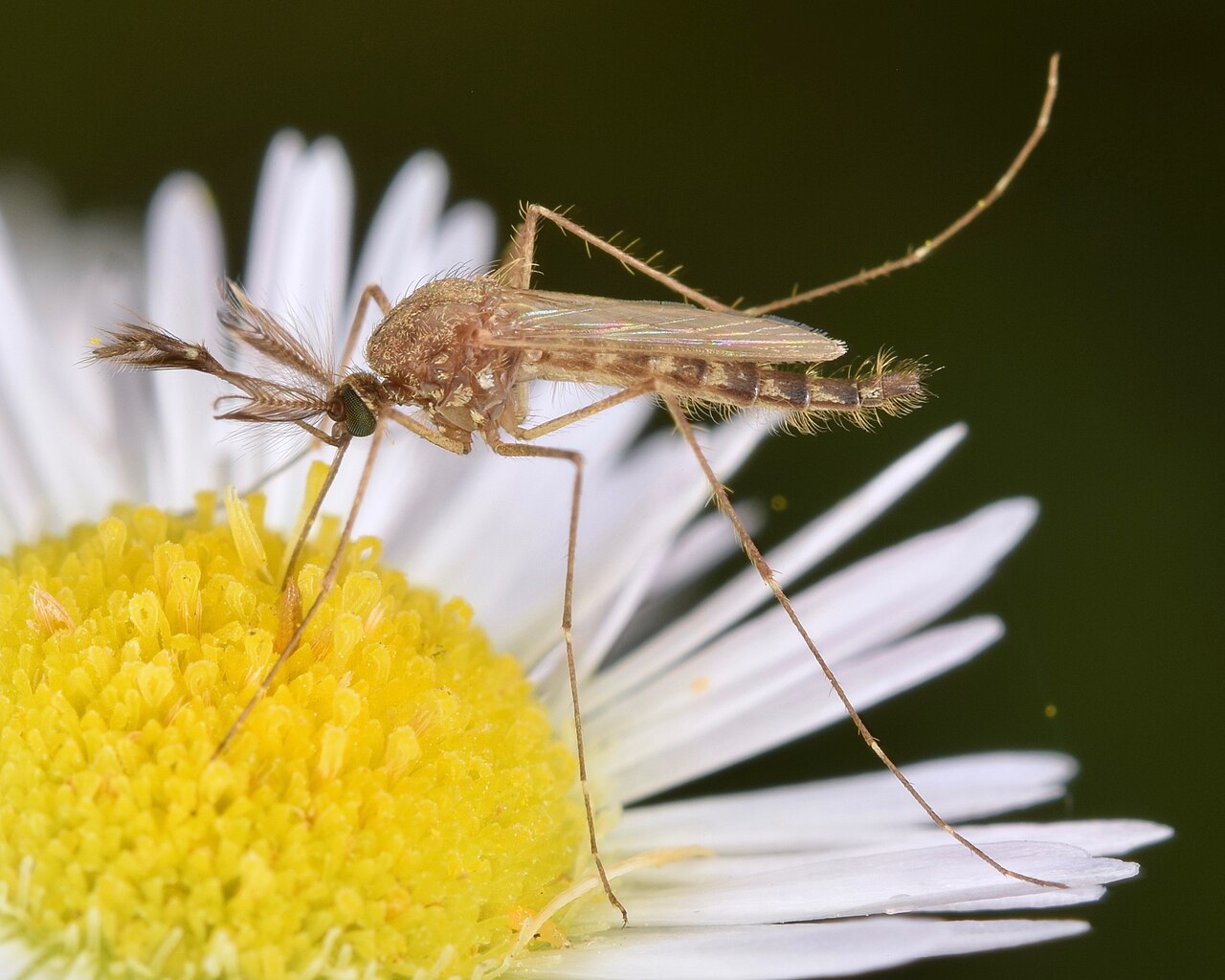
The dominant species of Maine's brief but intense season — and the reason the state's reputation for summer blackfly pressure extends to mosquitoes in the interior. Aedes vexans eggs overwinter in the Penobscot, Kennebec, Androscoggin, and Saco River floodplains and hatch when snowmelt raises water levels in late May and early June. In the North Woods, populations can be extraordinary during the two-to-three week peak before they crash. Canoe camping in the Allagash or Penobscot watersheds during this window requires serious protection — the pressure is real and documented, not just lore.
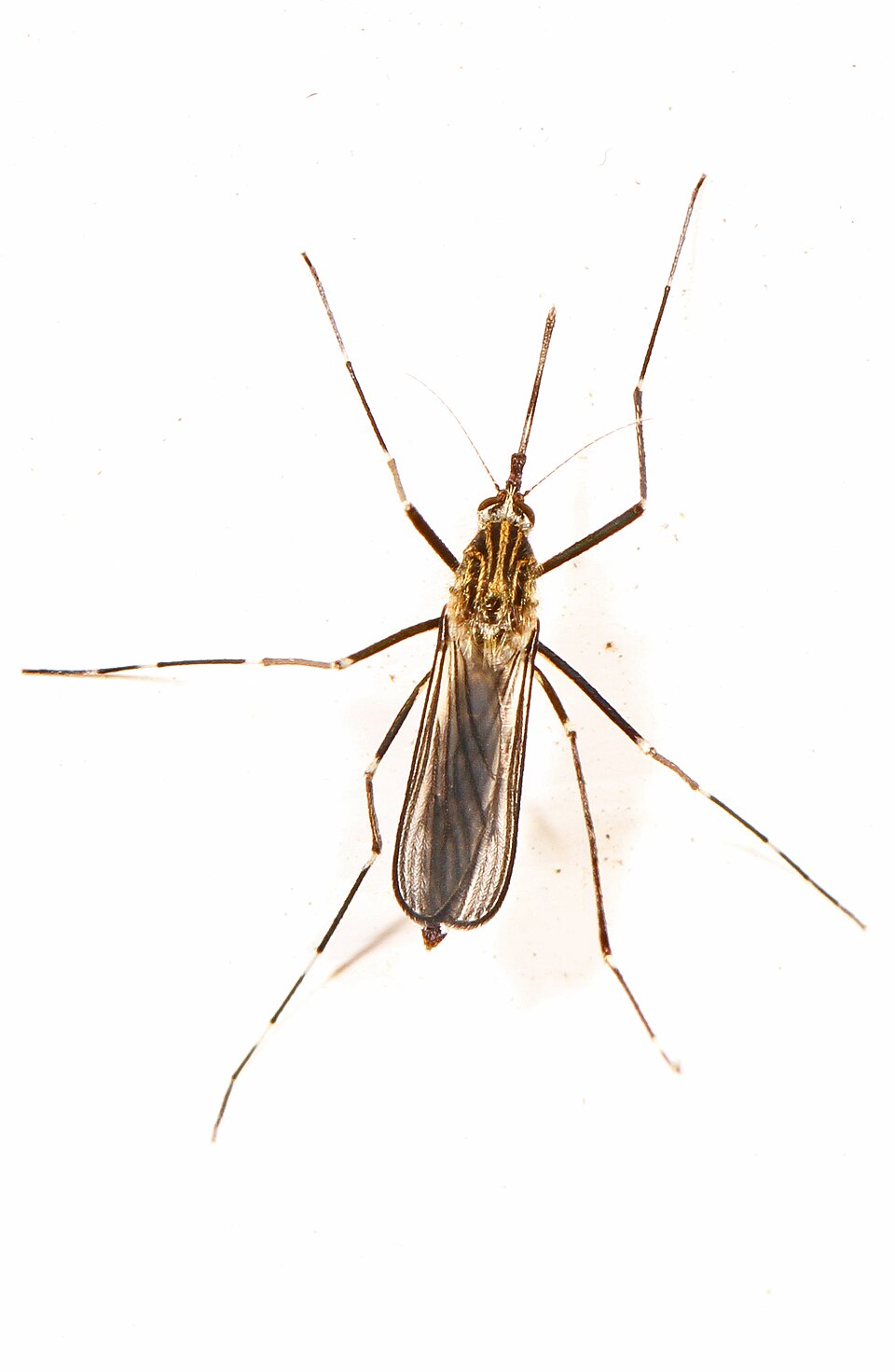
Maine's EEE surveillance species and the one that bridges the virus from birds to humans in the cedar swamps and bog complexes of York, Cumberland, and Oxford counties. Aedes japonicus breeds in water-filled tree cavities and rock pools in Maine's forested landscape — the shaded, wooded settings that define the southern coastal plain. It bites during daylight, which matters epidemiologically: people hiking or working in the woods in the EEE surveillance zone are exposed throughout the day, not just at dusk. Established throughout southern Maine and advancing northward.
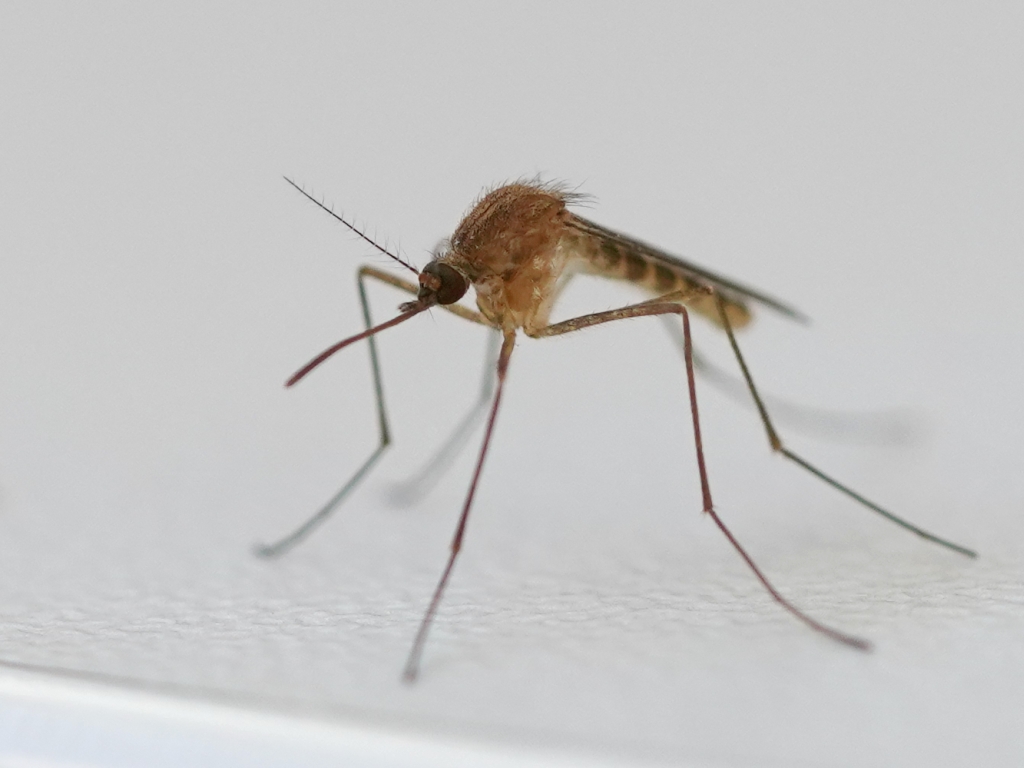
Present in Portland, Lewiston, Bangor, and Augusta — the urban end of Maine's otherwise rural mosquito story. Culex pipiens breeds in storm drain systems and residential standing water in Maine's more densely developed southern tier. WNV surveillance detections in Cumberland County (Portland) are not annual but occur in active years, making this the species of concern for the state's largest population center. Most active dusk to dawn in July through September, concentrated in neighborhoods near slow or standing water.
| City | Peak Season | Off-Season | Notes | |
|---|---|---|---|---|
| Portland | May – Sep | Off Oct–Apr | Longest coastal season; Presumpscot River; WNV detected some years; Ae. japonicus established | Check live |
| Augusta | Jun – Aug | Off Sep–May | Kennebec River; shorter effective season than coast; EEE detected in county | Check live |
| Bangor | Jun – Aug | Off Sep–May | Penobscot River; gateway to intense Maine woods mosquito pressure | Check live |
| Lewiston | May – Sep | Off Oct–Apr | Androscoggin River; river-valley floodwater surges; similar to Portland pattern | Check live |
| Bar Harbor | Jun – Aug | Off Sep–May | Mount Desert Island; cool maritime climate; short season but intense July peak | Check live |