Is it mosquito season in Nebraska?
Nebraska is one of the most persistently active West Nile Virus states in the nation — the Great Plains combination of warm summers, irrigated agriculture, and the Platte River's extraordinary wetland complex creates near-ideal conditions for Culex tarsalis. Douglas County (Omaha) and Lancaster County (Lincoln) typically record the highest case totals, but the risk extends statewide.
Omaha and eastern Nebraska: the WNV hotspot
The Omaha metro — Douglas, Sarpy, and Washington counties — leads Nebraska in West Nile Virus activity most years. The Missouri River floodplain, the Papillion Creek watershed, and urban storm drain systems support large Culex tarsalis and Culex pipiens populations. Sarpy County (Bellevue) has historically been one of the most WNV-active counties in the entire United States.
The Platte River valley: the breeding corridor
The Platte River and its tributaries form a 300-mile breeding corridor from Wyoming to the Missouri River. The braided river channels, sandbars, and adjacent wet meadows provide exceptional Culex tarsalis habitat through July and August. Grand Island and Kearney sit in the most active zone, and both cities have experienced significant WNV transmission in active years.
Western Nebraska: panhandle and sandhills
The Nebraska Sandhills — the largest sand dune formation in the Western Hemisphere — support a surprising variety of wetland habitat in their interdunal lakes and marshes. Culex tarsalis is active here, and the panhandle communities (Scottsbluff, North Platte) see a compressed but real season from late June through August. WNV is detected in the panhandle most years.
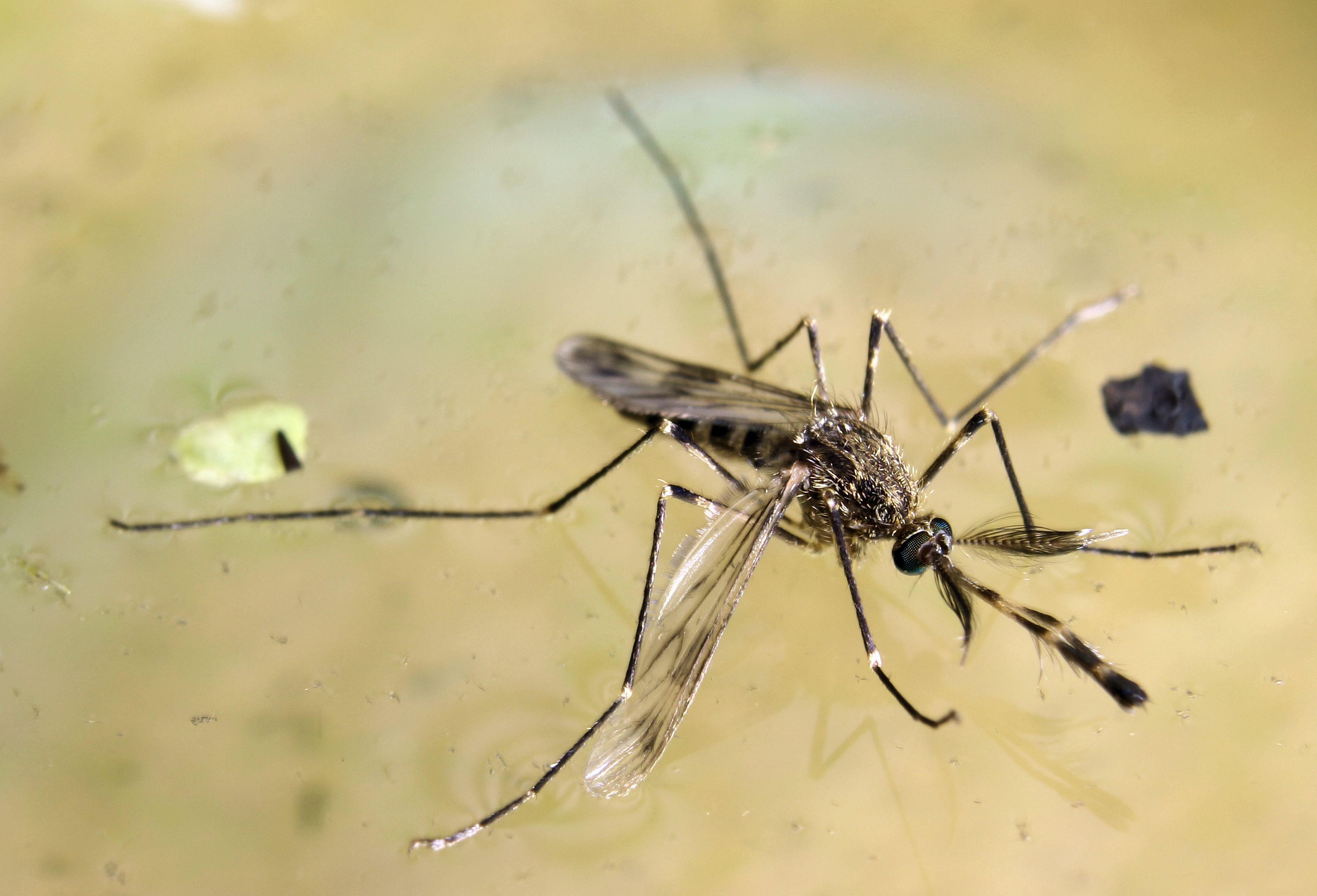
The species that makes Nebraska a national WNV leader. Culex tarsalis thrives in the Platte River's braided channel system — the warm, shallow, sandbars-and-slough topography is textbook tarsalis habitat. During July and August, the 300-mile Platte corridor functions as a continuous breeding engine from Wyoming to the Missouri River. In high-transmission years like 2003 and 2012, Nebraska recorded some of the highest per-capita WNV rates in the nation — a direct product of this species' productivity in the central Platte valley.
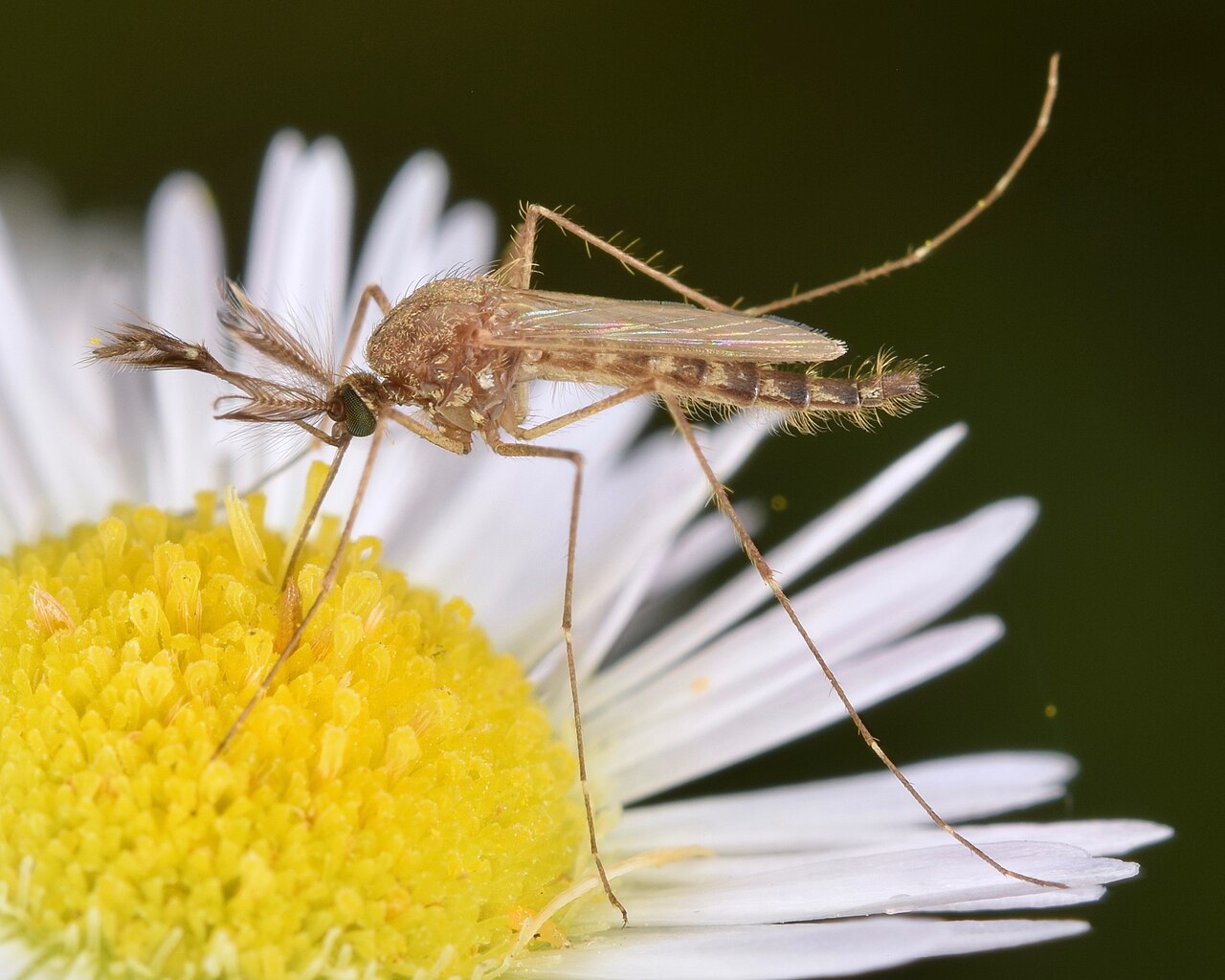
Nebraska's most visible mosquito — the one that drives residents inside after a wet spring. Aedes vexans populations in the Missouri and Platte River floodplains can increase by orders of magnitude within a week of significant flooding. The species' eggs can remain viable in soil for years, waiting for the right flood event. Grand Island and the central Platte communities regularly experience the most intense floodwater surges in early summer, as the river peaks with Rocky Mountain snowmelt before the dry-down begins.
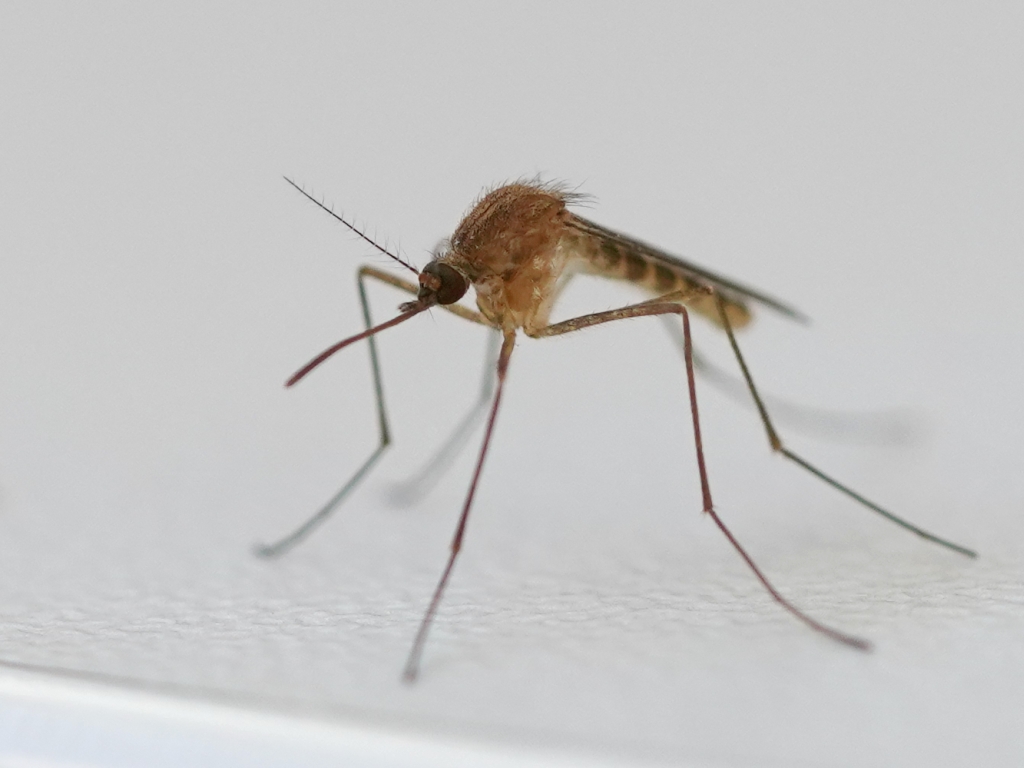
The WNV vector that operates inside Omaha and Lincoln while Culex tarsalis works the surrounding farmland. Culex pipiens breeds in the urban storm drain systems, retention ponds, and residential containers that accumulate in Nebraska's two major cities. Douglas County (Omaha) consistently records the state's highest absolute WNV case totals, a product of pipiens density in the metro combined with tarsalis pressure from the agricultural belt immediately surrounding the city.
| City | Peak Season | Off-Season | Notes | |
|---|---|---|---|---|
| Omaha | May – Oct | Off Nov–Apr | Missouri River; Douglas County WNV active most years; metro spray program | Check live |
| Lincoln | May – Oct | Off Nov–Apr | Salt Creek corridor; Lancaster County consistently WNV-positive; active urban program | Check live |
| Bellevue | May – Oct | Off Nov–Apr | Sarpy County; historically one of highest WNV counties in the US; Missouri floodplain | Check live |
| Grand Island | May – Sep | Off Oct–Apr | Platte River corridor; center of WNV transmission in central Nebraska | Check live |
| Kearney | May – Sep | Off Oct–Apr | Platte River; Rainwater Basin wetlands nearby; above-average WNV pressure | Check live |