Is it mosquito season in North Carolina?
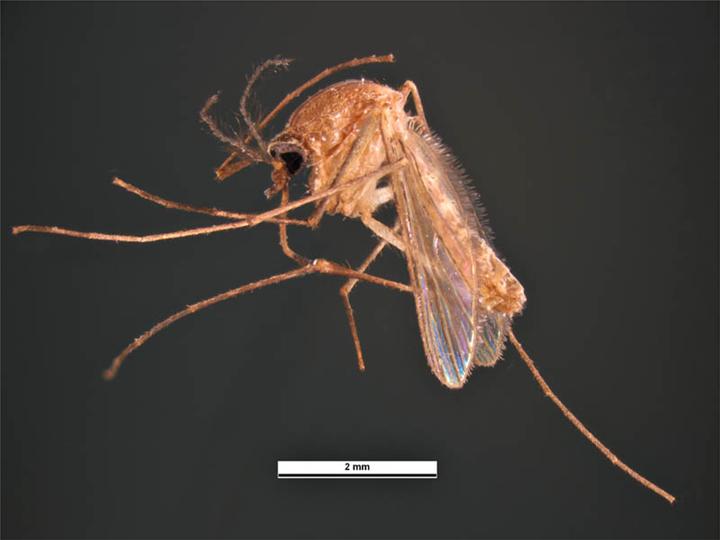
The Southern house mosquito — dominant Culex species across the NC Piedmont and coastal plain. Breeds in warm, organically enriched standing water: neglected containers, stormwater infrastructure, ornamental ponds. Bites dusk through dawn. Primary West Nile vector in urban and suburban NC; NCDPH WNV surveillance runs May–October.
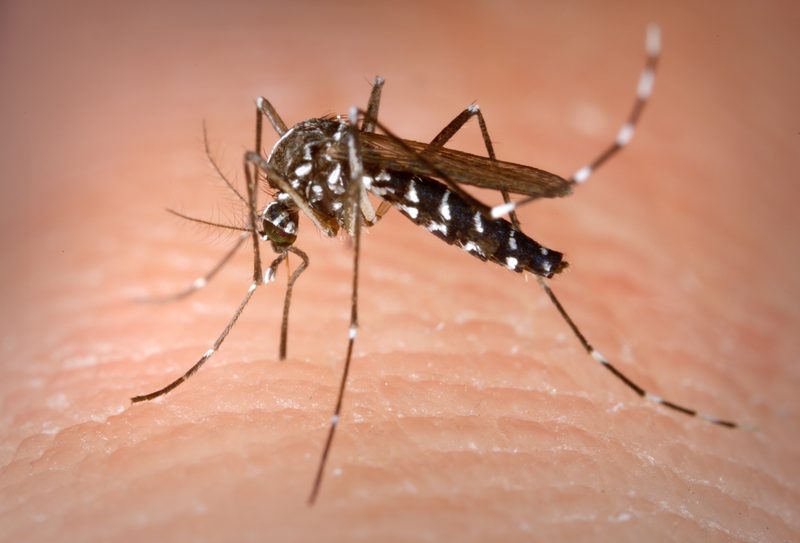
Established in all 100 North Carolina counties — among the most complete state-level colonizations in the US. Aggressive daytime biter, most active in shaded suburban yards April through October. Breeds in any small container holding water. Particularly dense in the Triangle (Raleigh-Durham-Chapel Hill) and Charlotte metro. Most biting activity in early morning and late afternoon.
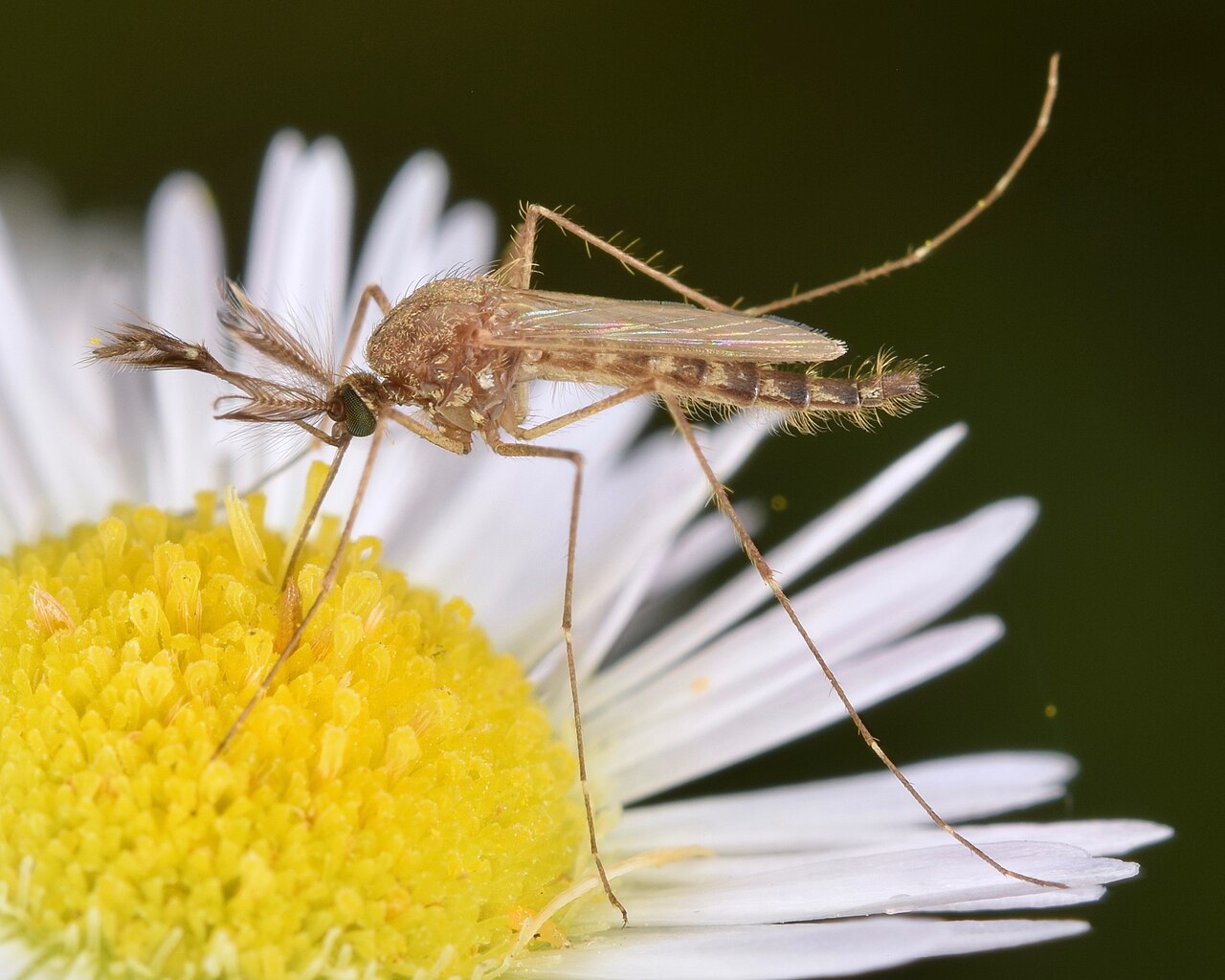
A significant nuisance species across NC's river corridors — Cape Fear, Neuse, and Catawba river floodplains all produce intense populations after heavy rains. Not a primary disease vector but responsible for the aggressive biting that spikes after storms. In the western mountains, Aedes triseriatus (tree-hole mosquito) is the La Crosse encephalitis vector — its populations are far less visible than floodwater species.
Three ecosystems, three different seasons
North Carolina spans three distinct ecological regions that produce very different mosquito seasons. The coastal plain — from Wilmington inland to Fayetteville and Greenville — runs one of the longest seasons in the Southeast: March through November, with intense pressure from June through September. The Piedmont plateau (Raleigh, Charlotte, Greensboro) sees a compressed April–October season with peak pressure in July and August. The western mountain counties run a shorter, cooler season from May into September — but they carry a disease risk unique in the eastern US.
La Crosse encephalitis: the mountain risk most people don't know about
North Carolina consistently reports more La Crosse encephalitis (LAC) cases than any other state — sometimes accounting for more than half of the nation's annual total. LAC is transmitted by Aedes triseriatus, a tree-hole mosquito that breeds in hardwood forest hollows in the Appalachian foothills. Unlike WNV, LAC primarily affects children under 16 and can cause severe neurological illness. The highest-risk counties are in western NC: Buncombe, Henderson, Madison, McDowell, and Transylvania. NCDPH issues LAC advisories for the western region through the summer. Check NCDHHS arboviral reports →
Asian tiger mosquitoes in all 100 counties
North Carolina completed one of the most thorough Ae. albopictus colonizations of any state east of the Mississippi. Every county now has established populations. Unlike the night-biting Culex species, tiger mosquitoes bite actively during daylight — which catches most people off-guard. Removal of standing water in containers remains the single highest-leverage action: tires, bird baths, clogged gutters, and ornamental pot saucers each support independent breeding populations.
| City | Season | Off-season | Notes | Live data |
|---|---|---|---|---|
| Raleigh | Apr – Oct | Off Nov–Mar | Triangle metro; Ae. albopictus dominant in residential areas; Jordan Lake and Falls Lake watershed corridors; Cx. quinquefasciatus active in urban stormwater infrastructure; WNV detections in Wake County surveillance traps most seasons; urban heat extends season at both ends; significant pressure in wooded suburban neighborhoods | Check live |
| Charlotte | Apr – Oct | Off Nov–Mar | Rapidly expanding metro with Ae. albopictus in every suburban neighborhood; Catawba River wetlands amplify populations; WNV detected in Mecklenburg County; urban density and heat island effect extend the effective season; Lake Norman shoreline creates additional breeding habitat; one of the highest Ae. albopictus complaint volumes in the state | Check live |
| Greensboro | Apr – Oct | Off Nov–Mar | Triad metro; Ae. albopictus well established across residential areas; Lake Brandt and Horsepen Creek watershed; Cx. quinquefasciatus present in urban areas; WNV detected in Guilford County; lower peak pressure than coastal plain but significant daytime biting from tiger mosquitoes throughout summer | Check live |
| Durham | Apr – Oct | Off Nov–Mar | Duke Forest and Eno River State Park provide extensive wooded habitat; Ae. albopictus dense in tree-canopy neighborhoods; Durham County WNV surveillance positive most seasons; Ae. triseriatus (La Crosse vector) present in hardwood hollows near the Piedmont/mountains transition; university campus grounds with high container-breeding pressure | Check live |
| Fayetteville | Mar – Oct | Off Nov–Feb | Coastal plain location — extended season with March starts common; Cape Fear River floodplain drives intense Ae. vexans surges after storm events; Ae. albopictus dominant in residential areas; Fort Bragg (now Fort Liberty) area; WNV present in Cumberland County; consistently among the earliest-starting cities in NC; significant military installation vector control programs | Check live |
| Wilmington | Mar – Nov | Off Dec–Feb | Cape Fear River estuary and extensive coastal wetlands; one of the longest and most intense mosquito seasons in NC; salt marsh and freshwater species both active; Ae. albopictus and Cx. quinquefasciatus dominant; New Hanover County among the highest mosquito complaint volumes in the state; coastal warmth extends activity well into fall; aggressive biting from March through November | Check live |
| Asheville | May – Sep | Off Oct–Apr | Western mountain location — shorter, cooler season (3–4 weeks shorter than piedmont); lower overall density; La Crosse encephalitis risk from Ae. triseriatus in surrounding hardwood forests; Buncombe County within the highest LAC-risk region in the state; elevation suppresses peak but not elimination; French Broad River corridor; Ae. albopictus present but less dense than lower elevations | Check live |