Is it mosquito season in Oklahoma?
Oklahoma sits at a climatic crossroads — Gulf Coast humidity pushing north meets Great Plains drought cycles pushing south — and the mosquito season reflects that volatility. In wet years, the Arkansas and Canadian River floodplains produce extraordinary breeding events. In dry years, Culex tarsalis and quinquefasciatus concentrate around permanent water, amplifying West Nile Virus transmission. Tulsa's Green Country is the most consistently active part of the state.
Tulsa and northeastern Oklahoma: Green Country
Tulsa and the surrounding Green Country region — Rogers, Wagoner, Mayes, and Muskogee counties — is Oklahoma's most consistently mosquito-active zone. The Arkansas River, Grand Lake o' the Cherokees, and the region's extensive woodland wetlands sustain Culex quinquefasciatus and Aedes vexans populations from April through October. Tulsa County records the state's highest annual WNV case totals in most years.
Oklahoma City metro: Canadian River corridor
The Oklahoma City metro — Oklahoma, Cleveland, and Canadian counties — experiences strong Culex quinquefasciatus pressure in urban areas and Culex tarsalis in the surrounding agricultural zones. The North Canadian River and its suburban impoundments provide consistent warm-water breeding habitat. OKC runs an active nighttime spray program during peak WNV transmission season.
Southern Oklahoma: the Red River boundary
The Red River counties bordering Texas — Marshall, Bryan, Choctaw, McCurtain — see some of the state's longest seasons, starting in March and extending into November in warm years. The Ouachita Mountains of southeastern Oklahoma add forested wetland pressure, and this corner of the state has historically been active for St. Louis encephalitis in addition to WNV.
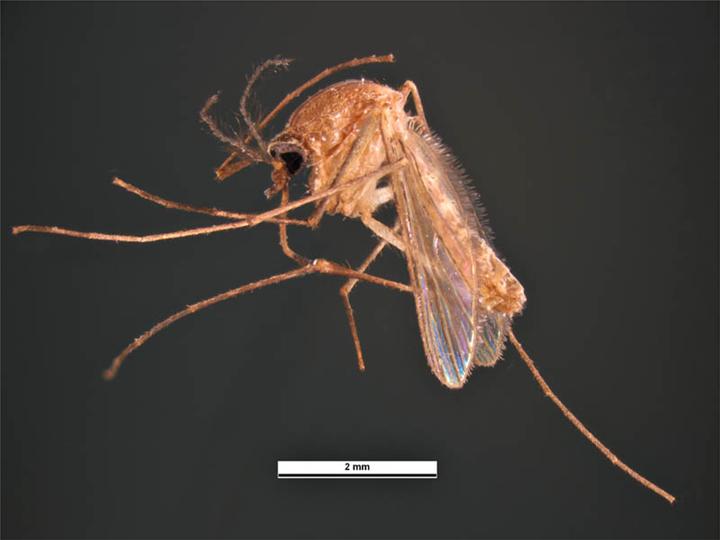
Oklahoma City and Tulsa both sit in the WNV sweet spot: warm enough for fast larval development, wet enough for standing water to persist through summer. Culex quinquefasciatus colonizes the urban storm drain network and any stagnant warm water — irrigation runoff behind strip malls, neglected pools, clogged gutters in older neighborhoods. A dusk-to-dawn biter that rarely disperses far, it drives nearly all WNV transmission in both metro areas.
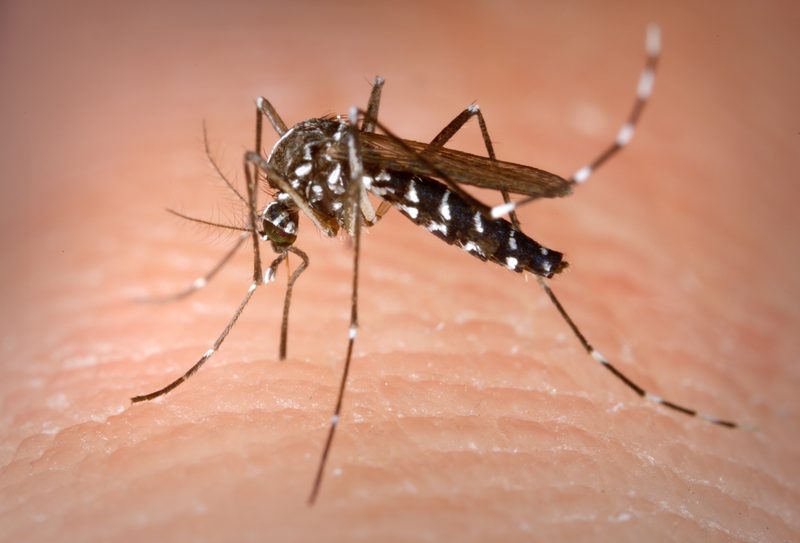
The tiger mosquito arrived in Oklahoma in the 1990s and has since pushed well beyond the humid east into drier central Oklahoma — one of the westernmost inland populations in the country. It breeds in any container holding a few ounces of fresh water and bites aggressively during daylight. In OKC and Tulsa neighborhoods with dense tree canopy and container habitat, it often generates more resident complaints than the nighttime Culex pressure.
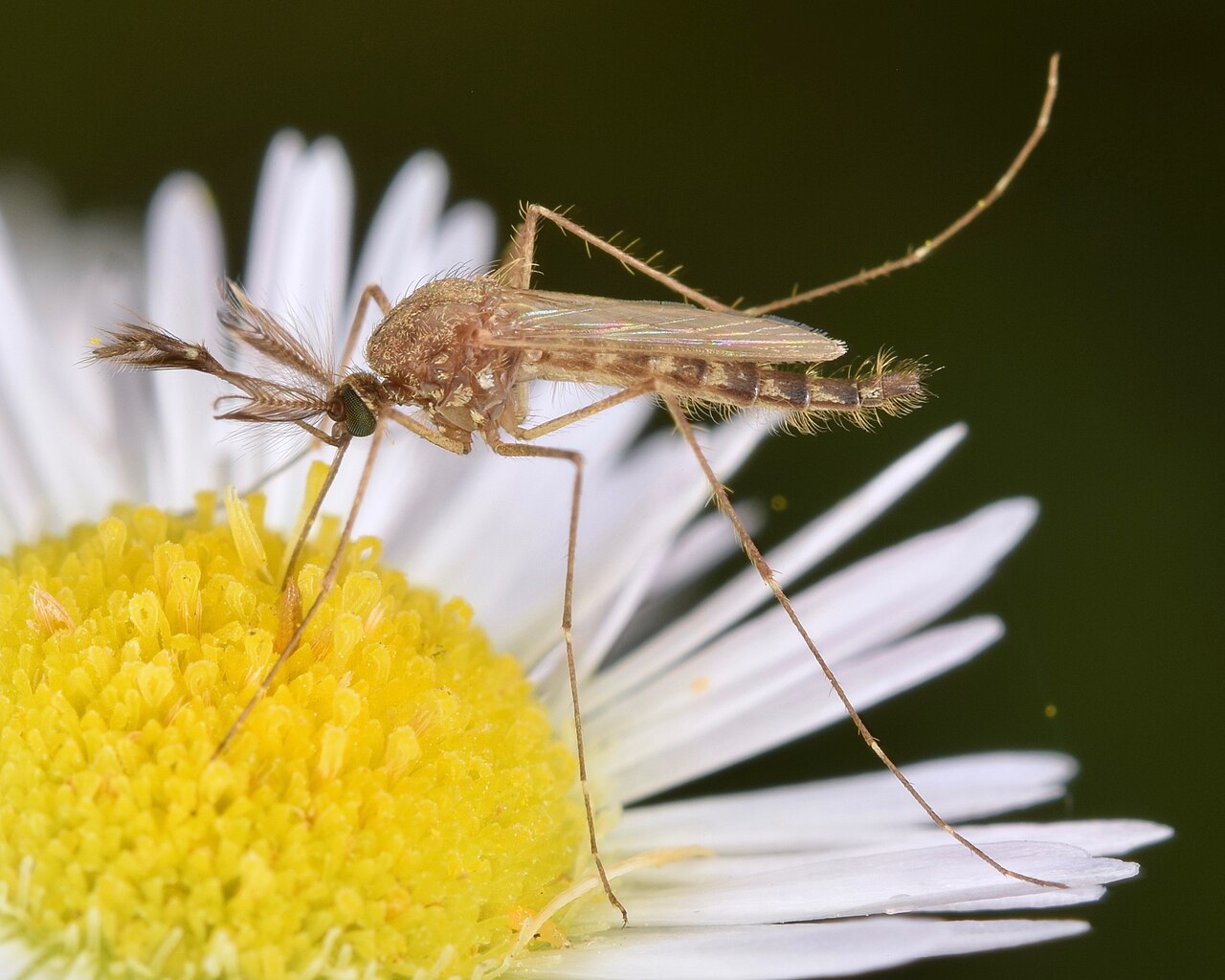
When the Arkansas, Canadian, or Red River overtops its banks — as each does regularly during wet Oklahoma springs — Ae. vexans hatches in mass emergence events that produce some of the most intense rural biting pressure in the mid-South. In flood years, populations spike so rapidly that outdoor activity becomes nearly impossible in affected counties for 7–10 days. The species isn't a significant WNV vector, but its sheer numbers make it the most visible mosquito in the state after a major weather event.
| City | Peak Season | Off-Season | Notes | |
|---|---|---|---|---|
| Oklahoma City | Apr – Oct | Off Nov–Mar | Canadian River; urban Culex quinquefasciatus; OKC spray program active; WNV most years | Check live |
| Tulsa | Apr – Oct | Off Nov–Mar | Arkansas River; highest WNV totals in state; Green Country wetland complex | Check live |
| Norman | Apr – Oct | Off Nov–Mar | Cleveland County; Little River corridor; part of OKC metro pattern | Check live |
| Broken Arrow | Apr – Oct | Off Nov–Mar | Tulsa metro; Bird Creek corridor; above-average suburban pressure | Check live |
| Edmond | Apr – Oct | Off Nov–Mar | Oklahoma County; urban north OKC; storm drain breeding; WNV active | Check live |