Is it mosquito season in Rhode Island?
Rhode Island is the nation's smallest state but carries outsized mosquito-borne disease risk. The freshwater swamp complexes of Washington and Kent counties are part of the active EEE belt extending from Massachusetts, with the virus detected in mosquito pools most years. West Nile Virus circulates in the Providence metro annually. The Narragansett Bay coastal marshes add salt marsh species pressure along the eastern shore.
EEE risk in southern Rhode Island
Washington County and the southern part of Kent County share the EEE wetland corridor that runs through southeastern Massachusetts. The cedar swamps and freshwater bogs of South Kingstown, Exeter, and Richmond are primary EEE amplification habitat. State health officials issue EEE warnings for these communities in most years, and aerial or ground spraying is conducted when detection thresholds are reached.
Providence metro: West Nile corridor
The Providence metro — Providence, Cranston, Pawtucket, North Providence — experiences consistent West Nile Virus activity driven by Culex pipiens in urban storm drain systems. The Moshassuck, Woonasquatucket, and Blackstone rivers provide additional habitat. Providence County reports the state's highest WNV case totals in active years.
Narragansett Bay: coastal marsh species
The shoreline communities from Warwick south to Newport sit adjacent to the salt marshes and tidal flats of Narragansett Bay. Salt marsh mosquitoes add a coastal dimension to the state's pressure, particularly in July and August when tidal flooding is at its peak. Newport's historic Aquidneck Island setting is picturesque but not mosquito-free during summer.
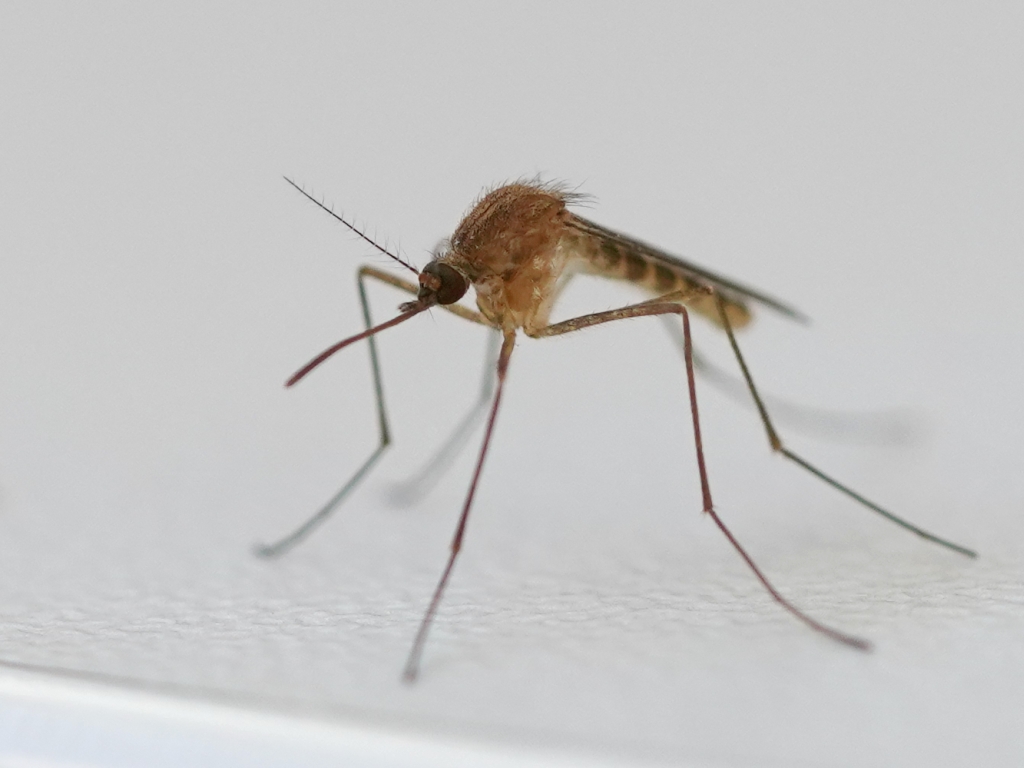
Providence and the northern Rhode Island communities experience consistent West Nile activity driven by this species in the urban storm drain systems and the slow, warm reaches of the Moshassuck, Woonasquatucket, and Blackstone rivers. Providence County records WNV cases in most years — modest in absolute numbers for a small state, but consistent enough to maintain annual surveillance. The species operates in the same June–September window as in neighboring Massachusetts and Connecticut, biting dusk to dawn and rarely traveling far from its breeding sites.
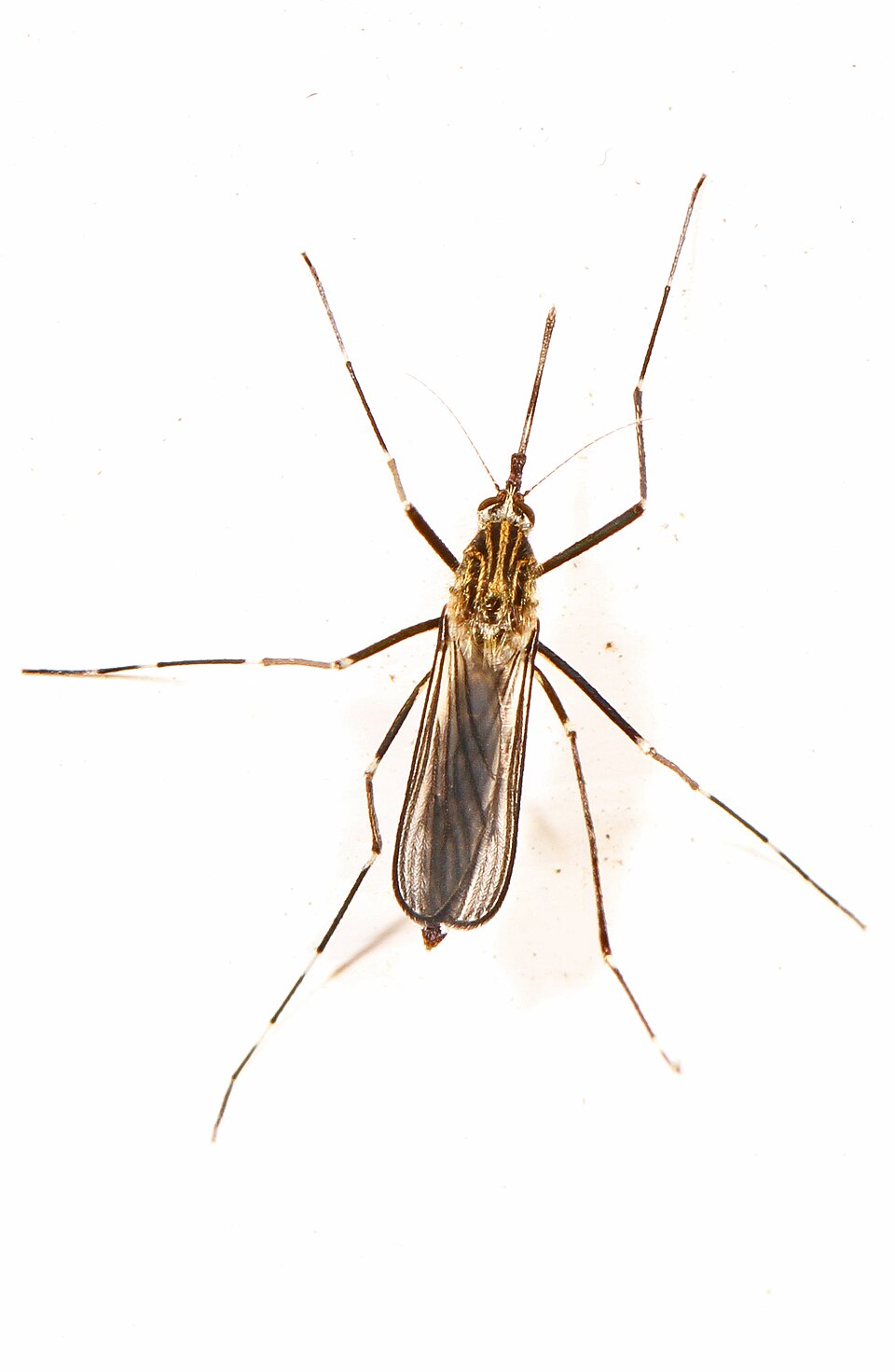
Rhode Island's most epidemiologically significant species — not for WNV but for EEE, and the reason South Kingstown, Exeter, and Richmond carry elevated disease risk. Aedes japonicus bridges EEE from its bird reservoir to humans in the cedar swamp and freshwater bog complexes of Washington County that connect directly to the Plymouth County EEE zone in Massachusetts. It bites during the day in forested settings where people don't expect to need protection — trail users, outdoor workers, and anyone spending time near the state's active western wetland complexes are the primary exposure group. State health officials issue EEE risk advisories for these areas in most active years.
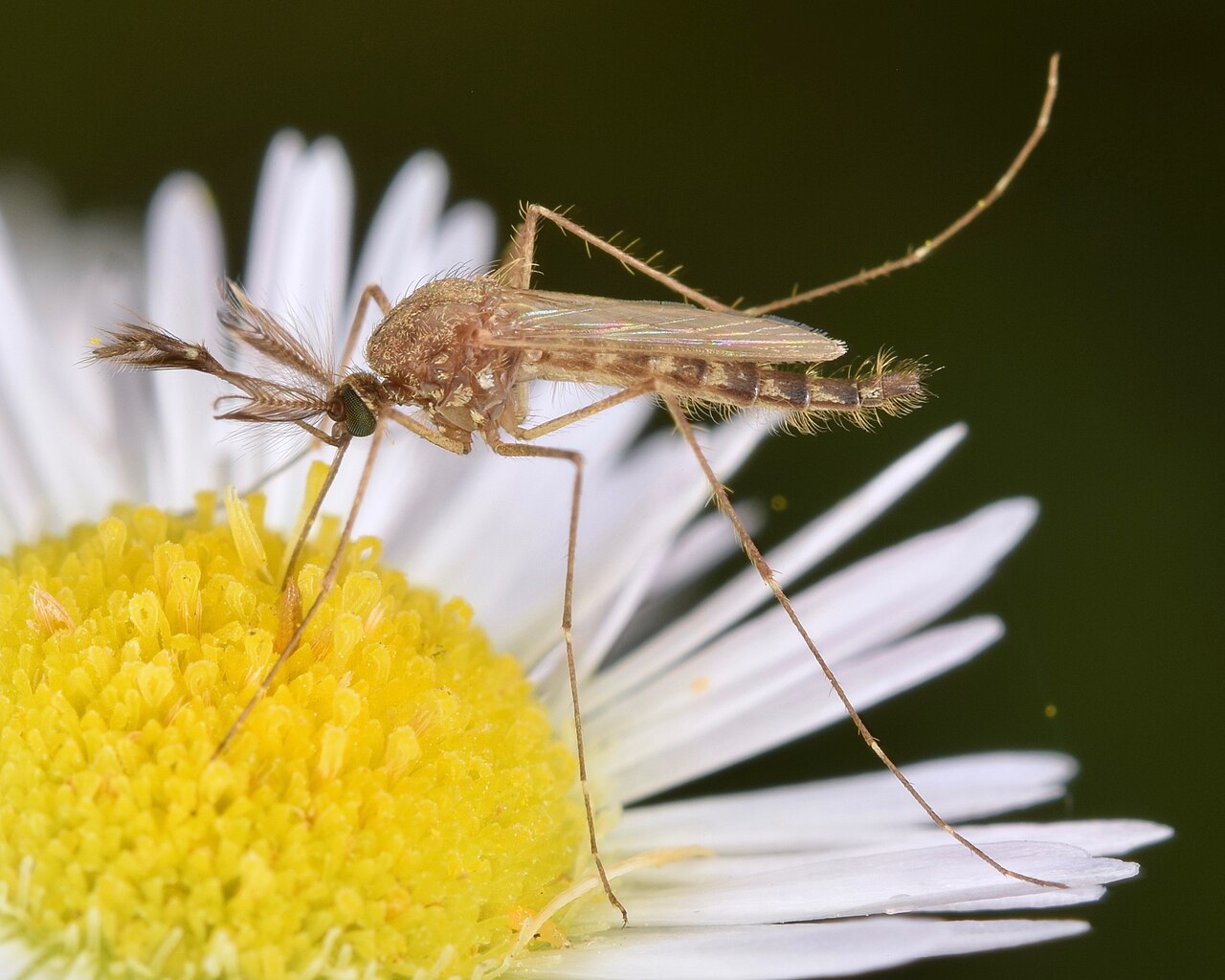
The species behind Rhode Island's most intense biting events — the post-rain surges that follow Pawtuxet, Pawcatuck, and Blackstone River flooding. Aedes vexans eggs wait in the floodplain soils of these corridors and hatch when rising water triggers them, producing populations that peak sharply within a week before declining as the landscape dries. Despite Rhode Island's small size, the state has enough river floodplain habitat to generate meaningful surges — and the density of its suburban development means those surges are noticed quickly. Not a significant disease vector, but the dominant nuisance species through June and July.
| City | Peak Season | Off-Season | Notes | |
|---|---|---|---|---|
| Providence | May – Oct | Off Nov–Apr | Moshassuck River; highest WNV counts in state; Providence County active most years | Check live |
| Cranston | May – Oct | Off Nov–Apr | Pawtuxet River; suburban storm drain breeding; part of Providence metro pattern | Check live |
| Warwick | May – Oct | Off Nov–Apr | Narragansett Bay shore; Apponaug Cove marshes; coastal salt marsh pressure | Check live |
| Pawtucket | May – Sep | Off Oct–Apr | Blackstone River; mill pond legacy; urban Culex pipiens pressure | Check live |
| Newport | May – Sep | Off Oct–Apr | Aquidneck Island; coastal marsh; EEE risk zone nearby; moderate season | Check live |