Texas spans four climate zones and hosts roughly 85 mosquito species. The Gulf Coast and Houston metro stay active from March through November — in far West Texas, the season is shorter and far milder.
Chart reflects Gulf Coast / Houston baseline. North Texas (Dallas–Fort Worth) peaks May–September at similar intensity. West Texas (El Paso) is significantly drier — roughly half the peak activity.
Gulf Coast vs. North Texas vs. West Texas
Texas effectively runs three different mosquito seasons in parallel. The Gulf Coast — Harris County (Houston), Galveston, Brazoria, and Nueces counties — stays warm enough for meaningful activity from March through November, with near-year-round conditions in the warmest years. North Texas, including Dallas–Fort Worth, follows a standard Southern pattern: season builds in May, peaks through summer, and tapers off in October. Far West Texas, including El Paso and the Trans-Pecos, is significantly drier; populations are smaller and the season is shorter, usually June through September.
When is it worst?
Statewide peak runs June through August. Texas summers combine high heat with the moisture needed for rapid larval development — particularly after Gulf-driven rain events. Hurricane remnants and heavy summer thunderstorms routinely create massive temporary breeding habitat across the eastern half of the state, driving population spikes that can last two to three weeks.
The Houston factor
The Houston metro sits at the intersection of subtropical heat, abundant rainfall (roughly 50 inches annually), and bayou drainage systems that never fully dry out. Harris County runs one of the largest urban mosquito control programs in the country, yet conditions remain some of the most persistent in the continental US. Residents near bayous, retention ponds, or low-lying areas should treat protection as a near-year-round practice, not just a summer one.
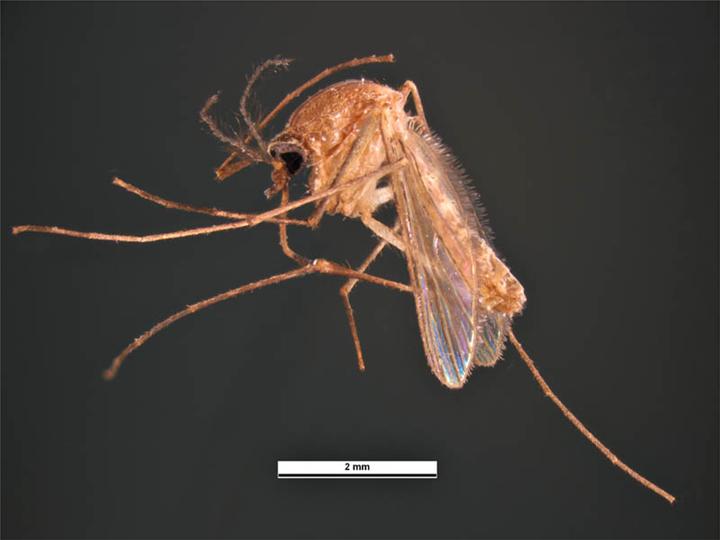
The primary West Nile Virus vector in Texas. A dusk-to-dawn biter that favors birds but readily feeds on humans. Breeds in stagnant water — storm drains, clogged gutters, birdbaths. Present across all of Texas east of the Pecos.
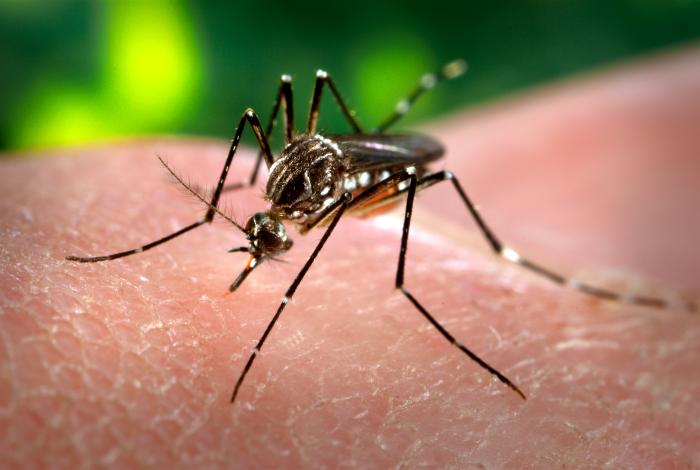
A daytime biter capable of transmitting dengue, Zika, and chikungunya. Concentrated in South Texas and Houston — Hidalgo, Cameron, Harris, and Bexar counties carry the highest established populations. Rare west of San Antonio.
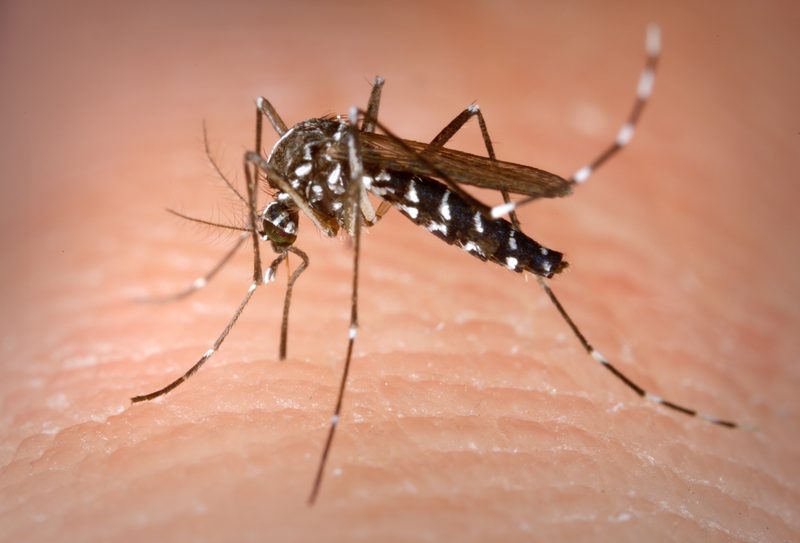
Statewide east of the Pecos and spreading west. Bites aggressively during daylight hours — including midday — making standard dusk/dawn-only protection insufficient for Texans spending time outside in peak season.
Two of Texas's three key species bite during the day. Applying repellent only at dusk misses a significant exposure window, particularly in Houston, San Antonio, and Austin where Aedes albopictus is well established.
| City | Peak Season | Off-Season | Notes | |
|---|---|---|---|---|
| Houston | Mar – Nov | Low (rarely zero) | Bayou drainage keeps populations persistent; one of the most active metros in the US | Check live |
| Dallas | May – Oct | Off Nov–Mar | Standard Southern pattern; Trinity River floodplain drives local peaks after heavy rain | Check live |
| San Antonio | Apr – Oct | Off Nov–Mar | Hill Country edge; Ae. aegypti established in lower-elevation areas | Check live |
| Austin | Apr – Oct | Off Nov–Mar | Colorado River and Barton Creek corridors create focal hotspots; tiger mosquito statewide | Check live |
| Fort Worth | May – Oct | Off Nov–Mar | Similar to Dallas; slightly less rainfall reduces peak intensity | Check live |
| Corpus Christi | Mar – Nov | Low (rarely zero) | Coastal subtropical; Laguna Madre and coastal marshes sustain populations late in the year | Check live |
| El Paso | Jun – Sep | Off Oct–May | Chihuahuan Desert climate — low humidity limits populations; shorter season than rest of Texas | Check live |