The Great Salt Lake is one of the Western Hemisphere's most important waterfowl staging areas — and one of its most productive mosquito breeding complexes. The freshwater marshes on the lake's southern and eastern shores sustain enormous Culex tarsalis populations from June through September, and two million Wasatch Front residents live within a few miles of this breeding engine. Utah records meaningful West Nile Virus case totals most years, a figure that surprises people who associate the state with red rock desert. The desert is real — most of Utah's land area sees very little activity. But the narrow strip where the population lives sits adjacent to one of the West's most active WNV corridors.
The Great Salt Lake marshes: the engine
The Farmington Bay Waterfowl Management Area, Bear River Migratory Bird Refuge, and the freshwater marshes along the lake's eastern shore are Utah's mosquito epicenter. Culex tarsalis thrives in the warm, shallow, bird-rich marsh pools — conditions that also accelerate WNV amplification in the avian host population. Davis and Weber counties, sitting directly adjacent to the marshes, consistently record the state's highest WNV case totals. The Jordan River corridor running south through Salt Lake County adds additional productive habitat through slow-moving, warm-water stretches that persist all summer.
Salt Lake City and the Wasatch Front: urban pressure
The Salt Lake metro experiences above-average urban mosquito pressure relative to its arid surroundings — a product of irrigation infrastructure, canal systems, storm drain networks, and proximity to the lake marshes. The contrast is stark: walk ten blocks from the capitol building and you're in desert scrub; walk toward the lake and you're adjacent to active breeding habitat. WNV is detected in Culex tarsalis surveillance pools in Salt Lake County virtually every summer. The peak window is July through September, with transmission risk highest in the evenings along the Jordan River trail.
Southern Utah and the monsoon window
The red rock canyon country — St. George, Moab, Kanab — lives on a different calendar. The North American Monsoon arrives in July, dropping brief but intense thunderstorms that collect in sandstone depressions, canyon potholes, and desert washes. Aedes vexans and other opportunistic species exploit these events, producing short-lived but sometimes intense biting episodes in July and August. St. George in the Virgin River corridor sees more consistent pressure than the high plateau communities — the combination of lower elevation, warmer temperatures, and river habitat sustains populations longer than a typical monsoon pulse.
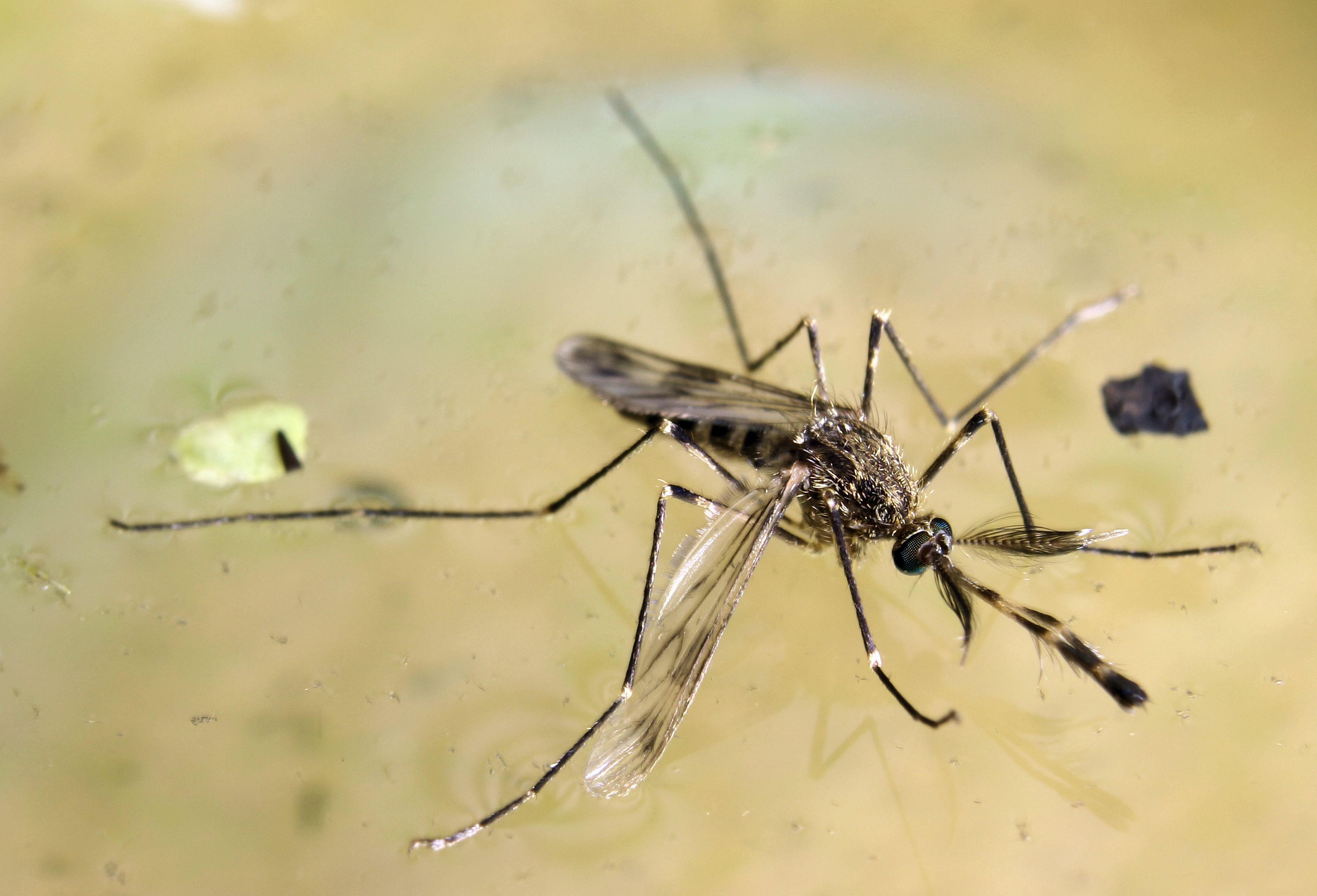
The species that makes Utah's WNV problem possible despite its desert location. Culex tarsalis is exceptionally well-adapted to the Great Salt Lake marsh complex — thriving in the warm, productive shallow pools that characterize Farmington Bay and the Bear River delta. WNV transmission accelerates when temperatures stay high and the avian host population is concentrated at the marsh, which happens every summer as shorebird migration peaks. Davis and Weber counties are the hotspot; evening activity near the lake's eastern shore carries the highest transmission risk.
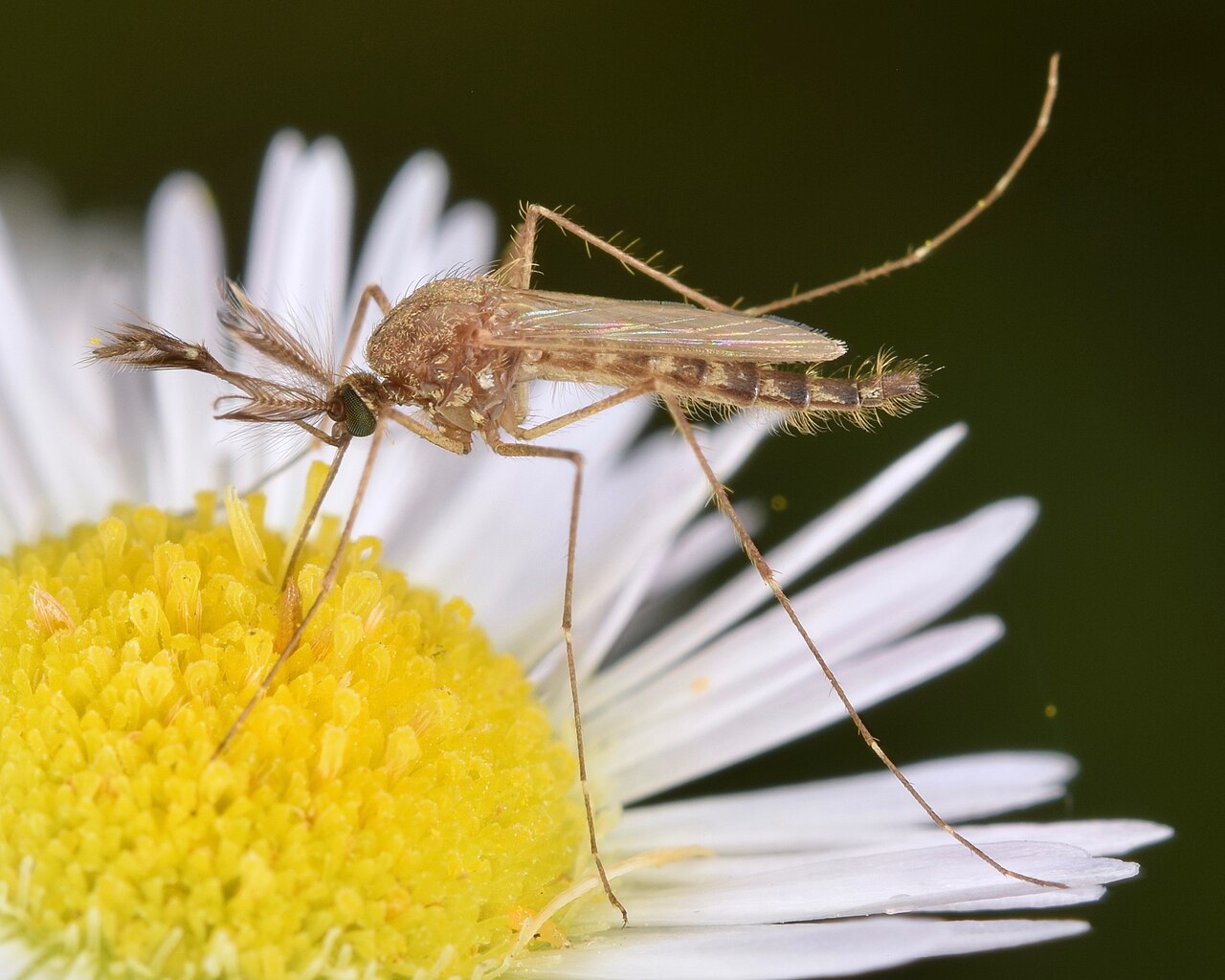
The reason Utah's July camping trips can suddenly turn miserable. Aedes vexans eggs sit dormant in Jordan River and Provo River floodplain soils until flooding activates them. Post-flood emergence can be dramatic — populations measurable in the hundreds per trap night in the week following a significant irrigation overflow or spring flooding event. Not a meaningful WNV vector, but responsible for most of the nuisance biting along the Wasatch Front trail systems through June and July.
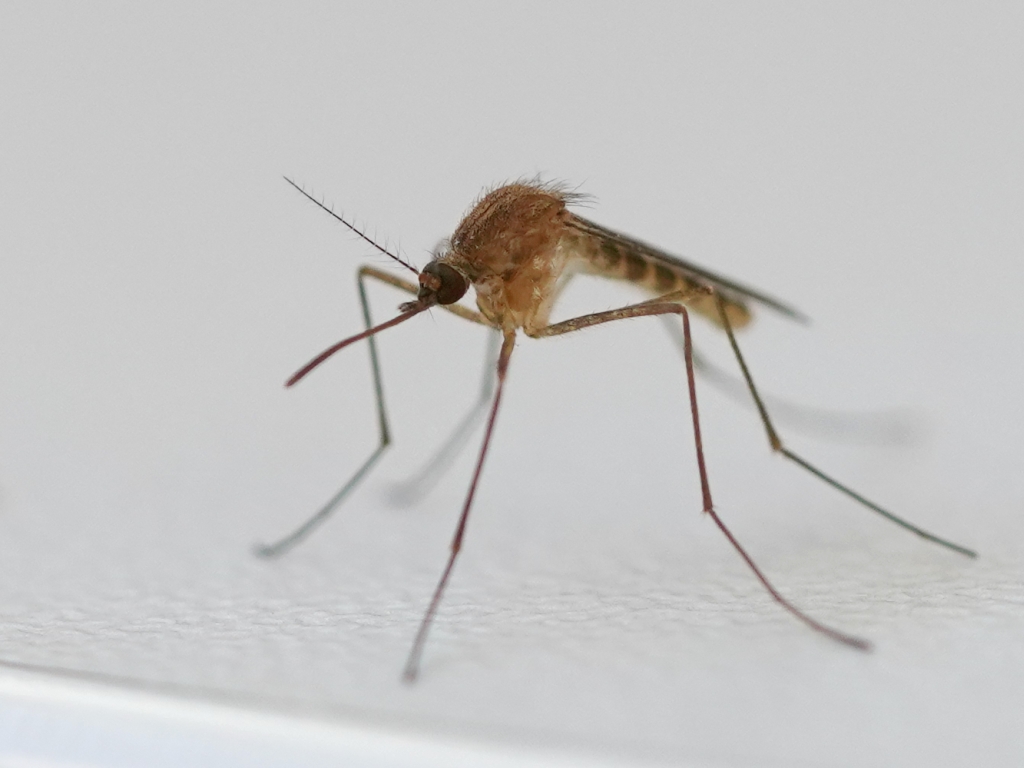
The urban complement to Culex tarsalis along the Wasatch Front. Culex pipiens breeds in the storm drain systems, residential water features, and neglected containers that accumulate in Salt Lake City's older neighborhoods. A secondary WNV vector in Utah's urban context — less productive than tarsalis per individual but far more geographically distributed across the metro. Most active dusk to dawn in residential areas July through September.
| City | Peak Season | Off-Season | Notes | |
|---|---|---|---|---|
| Salt Lake City | Jul – Sep | Off Oct–Jun | Jordan River; Great Salt Lake marshes; WNV active most years; county vector control | Check live |
| Provo | Jul – Sep | Off Oct–Jun | Utah Lake; Provo River; above-average lacustrine breeding habitat | Check live |
| West Valley City | Jul – Sep | Off Oct–Jun | Part of Salt Lake metro; Jordan River corridor; urban storm drain breeding | Check live |
| St. George | Jul – Oct | Off Nov–Jun | Virgin River; warmer than rest of state; monsoon-driven; later season tail | Check live |
| Ogden | Jul – Aug | Off Sep–Jun | Weber River; Great Salt Lake north shore marshes; shorter effective season | Check live |